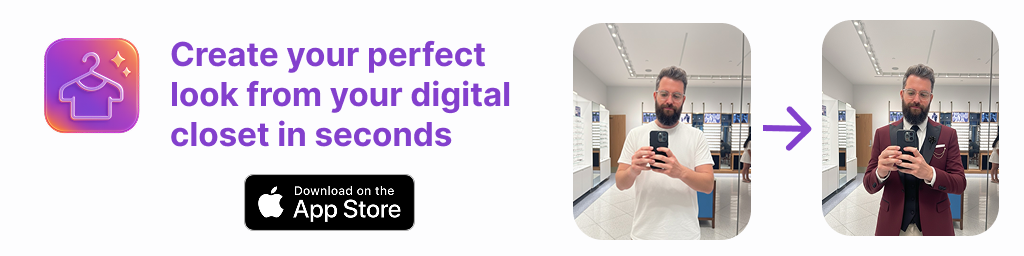
Getting dressed should not require trying on five outfits, leaving a pile of clothes on the bed, and still feeling unsure. A wardrobe assistant system helps you see what you own, identify useful outfit combinations, and make decisions with less stress. You do not need a stylist, a large closet, or a complete wardrobe overhaul to begin.
For beginners, the goal is simple: create a practical way to organize clothing and plan outfits around real life. These wardrobe assistant tips will help you start small, learn what works together, and make better use of the garments already in your closet.
What Is a Wardrobe Assistant?
A wardrobe assistant is any method, tool, or routine that helps you manage clothing choices. It may be a notebook, a clothing rail, a wardrobe spreadsheet, a digital closet, or an app that lets you save outfit ideas. The purpose is not to dictate your personal style. It is to make your own style easier to use.
A useful wardrobe assistant approach can help you:
- Remember clothes that are easy to overlook.
- Build outfit combinations before a busy morning.
- Spot duplicate items and wardrobe gaps.
- Plan looks for work, travel, events, and casual days.
- Reduce the temptation to buy something simply because you cannot find an existing alternative.
Think of it as a decision-making system rather than a set of fashion rules. Your wardrobe should support your schedule, comfort, budget, and preferences.
1. Start With a Small, Useful Section of Your Closet
A common beginner mistake is attempting to catalog every sock, scarf, and old T-shirt in one afternoon. That can turn a helpful project into an exhausting task. Instead, begin with the clothing you wear most often.
Choose one category or one lifestyle need, such as:
- Weekday work outfits
- Casual weekend clothes
- Gym and activewear
- Going-out outfits
- Seasonal outerwear and layers
For example, if you work in an office three days a week, start with five tops, three bottoms, two pairs of shoes, and two layers that you regularly wear. This is enough to create several combinations without having to organize your entire home first.
Once the process feels natural, add other categories gradually. Small progress is more sustainable than a perfect system you abandon after one weekend.
2. Use Simple Clothing Categories
Organization becomes easier when every item has a clear category. Avoid overly detailed labels at first. You do not need to describe every design detail to build better outfits.
| Category | Helpful Beginner Labels | Example |
|---|---|---|
| Tops | T-shirt, blouse, knitwear, shirt | Cream ribbed sweater |
| Bottoms | Jeans, trousers, skirt, shorts | Dark straight-leg jeans |
| Layers | Blazer, jacket, cardigan, coat | Charcoal oversized blazer |
| Shoes | Sneakers, boots, flats, heels | Black ankle boots |
| Accessories | Bag, belt, jewelry, scarf | Brown leather belt |
Add a few details only when they improve decisions. Color, season, level of formality, and comfort are particularly useful. A label such as navy trousers, smart casual, cool weather tells you far more than a vague label such as pants.
3. Build Outfits Around One Anchor Item
One of the best wardrobe assistant tips for beginners is to stop trying to coordinate every item at the same time. Start with an anchor item: the garment you already know you want to wear. This could be a favorite pair of jeans, a patterned skirt, a blazer, or comfortable shoes.
Then choose the remaining pieces in a simple order:
- Pick the anchor item.
- Choose a top that suits its color and level of formality.
- Add a layer if the weather or setting requires one.
- Select shoes based on walking needs and the occasion.
- Add one or two accessories only if they improve the look or function.
This approach reduces decision fatigue because you are solving one small styling question at a time. It also helps you learn which pieces in your wardrobe are genuinely versatile.
A Concrete Outfit Planning Example
Imagine you need a comfortable smart-casual outfit for a daytime meeting followed by dinner. Your anchor item is a pair of dark straight-leg jeans. You could build the rest of the outfit like this:
- Top: a white button-down shirt for a polished contrast.
- Layer: a charcoal blazer for structure and warmth.
- Shoes: black ankle boots that work for both walking and dinner.
- Accessory: a medium crossbody bag that holds daily essentials.
Save this as a repeatable outfit formula: dark denim + light structured top + tailored layer + practical boot. The next time you need a similar look, you can swap the white shirt for a fine-knit top or replace the blazer with a cardigan while keeping the same overall balance.
4. Learn Three Easy Outfit Balance Rules
Personal style has no single correct formula, but a few visual principles make early outfit planning easier. Use these as flexible guides, not restrictions.
Balance volume
If one item is loose or oversized, pair it with something more fitted or structured. For instance, wide-leg trousers may work well with a closer-fitting knit, while an oversized sweater can be balanced with straight-leg jeans or leggings.
Repeat one color
Repeating a color in two places can make an outfit look intentional. You might echo the black in your boots with a black belt, bag, or jacket. The colors do not need to match exactly; similar tones often look more natural.
Mix one statement with basics
If your skirt has a bold print, keep the rest of the outfit relatively simple. If you are wearing a bright jacket, pair it with neutral trousers and shoes. This prevents every garment from competing for attention.
5. Record What You Actually Wear
A wardrobe is most useful when it reflects your real habits, not an imagined version of your life. After wearing an outfit, take a quick note or photo and record what worked. Focus on practical details as well as appearance.
Useful notes include:
- Was the outfit comfortable for the full day?
- Did the shoes work for the amount of walking involved?
- Did you feel appropriately dressed for the setting?
- Did any item need constant adjusting?
- Would you wear the combination again?
Over time, these notes reveal your dependable outfits. You may discover that you repeatedly reach for the same jacket, that a certain blouse only works under layers, or that a pair of shoes looks good but does not suit long days. This information is more valuable than guessing what should work.
6. Plan for Your Week, Not Just Tomorrow
Daily outfit decisions become easier when you look ahead. Spend ten minutes once a week checking your calendar, local weather forecast, laundry situation, and upcoming activities. Then set aside a few possible outfits.
A basic weekly plan might include:
- Two work-ready outfits
- One relaxed casual outfit
- One exercise or errand outfit
- One option for an unexpected dinner, meeting, or event
You do not need to commit to every detail. Planning gives you a starting point, while leaving room to change based on mood, weather, or comfort. If you prefer visual planning, save complete combinations rather than only individual pieces. Seeing a look as a whole makes it faster to choose later.
7. Identify Gaps Before Buying Anything
When an outfit does not work, it is easy to assume you need to shop. Often, the problem is not a missing garment but a missing combination, an item needing alteration, or clothes that have not been organized clearly.
Before buying, ask these questions:
- Can I create a similar outfit with something I already own?
- Is the issue color, comfort, fit, formality, or weather suitability?
- Would a small alteration, repair, or better underlayer solve the problem?
- Can I name at least three outfits I would wear with the potential purchase?
If you identify a true gap, make it specific. Rather than writing “need new clothes,” write “need comfortable neutral flats that work with trousers, dresses, and jeans.” Specific gaps lead to more thoughtful choices and reduce random purchases.
8. Use Digital Tools With Realistic Expectations
A digital wardrobe can make cataloging, outfit planning, and saving ideas more convenient, especially if you have a busy schedule or often forget what is in storage. Some tools can also help you visualize outfit combinations from photos of your own garments.
However, digital styling tools are best treated as planning aids. An AI outfit generator or virtual try-on can help you explore color combinations, proportions, and styling ideas, but it cannot guarantee exact fit, fabric drape, comfort, sizing, or how an item will look in every type of lighting. Always use your own mirror check, movement test, and judgment before relying on an outfit for an important event.
Beginner mindset: Use visualization to narrow choices, then use real-world wear to confirm them.
9. Create a Simple “Reliable Outfits” Collection
Every wardrobe benefits from a small collection of looks that consistently work. These are your reliable outfits for rushed mornings, low-energy days, and last-minute plans. Aim for five to seven combinations that suit your most common activities.
Your collection could include a work uniform, a casual coffee outfit, a travel outfit, a dinner look, and a weather-ready option. Update it as seasons change and as you learn more about your preferences. Reliable does not mean boring; it means you know the outfit makes you feel comfortable and appropriately dressed.
Make Your Wardrobe Assistant System Work for You
The best wardrobe assistant system is the one you will actually use. Start with a limited group of clothes, make simple categories, save successful combinations, and review what you wear. Within a few weeks, you will have clearer evidence about your personal style and your most useful wardrobe pieces.
If you want a visual way to organize clothing and plan combinations from your own garments, Outfit Maker’s guide to creating a digital closet offers a practical starting point for building a more organized wardrobe routine.