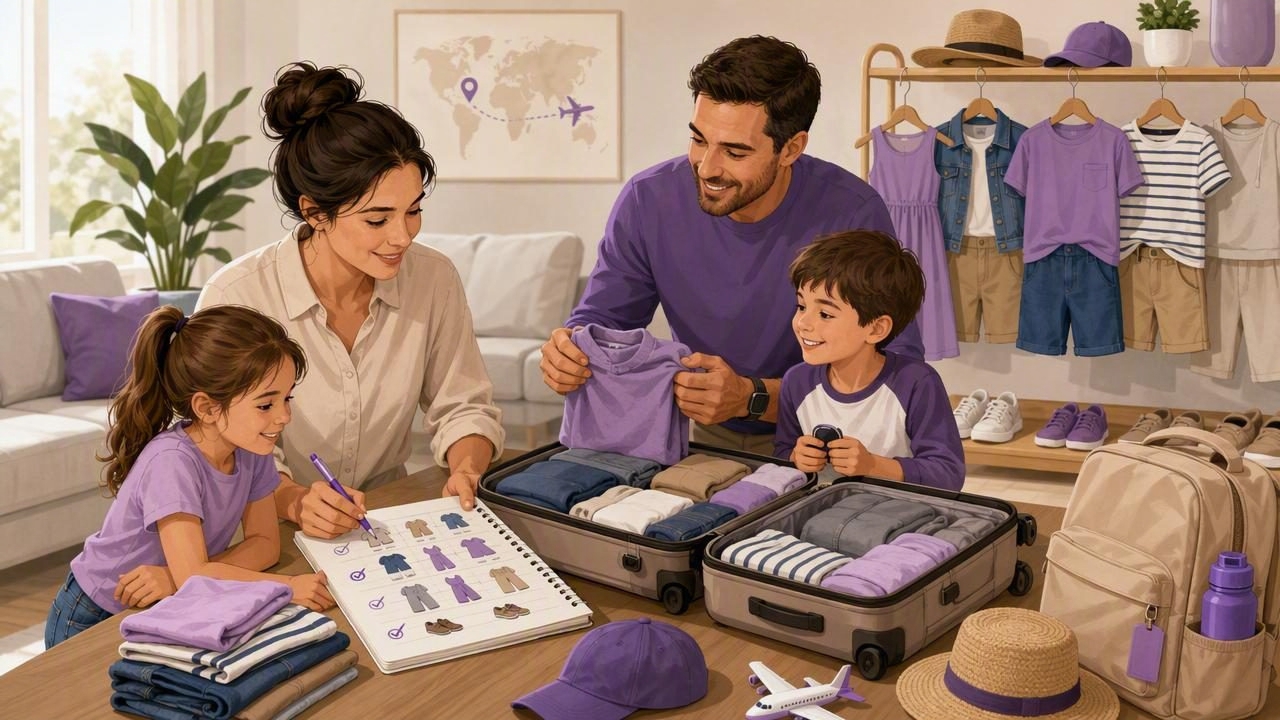
Family travel can be exciting, but the days before departure often feel like a second job. Between finishing work tasks, arranging childcare details, confirming bookings, and making sure everyone has clean clothes, packing can quickly become overwhelming. A trip outfit planner for working parents creates a calmer, more practical way to prepare.
Instead of throwing extra clothing into suitcases “just in case,” you can plan complete looks for each day, reuse versatile items, and identify gaps before leaving home. The result is fewer arguments over what to wear, less overpacking, and more time to focus on the actual trip.
This guide explains how busy parents can build an efficient travel wardrobe plan for themselves and their children, whether they are heading out for a weekend visit, a work trip with family, a beach holiday, or a school-break road trip.
Why Working Parents Need a Trip Outfit Planner
Most packing advice assumes you have a quiet evening and plenty of mental space to organize a suitcase. Working parents rarely have either. They need a system that reduces decisions instead of adding another complicated task to the list.
A trip outfit planner helps by turning vague packing questions into simple, visible choices:
- What will each person wear for travel day?
- Which outfits work for planned activities?
- What items can be worn more than once?
- Do the shoes, layers, and accessories actually match?
- What needs washing, buying, or replacing before departure?
Planning outfits in advance also prevents a common travel problem: packing individual pieces that seem useful but do not create enough complete outfits. Three shirts and three pairs of trousers do not automatically make nine wearable combinations if the colors, weather needs, or comfort levels do not line up.
Start With the Trip, Not the Closet
Before choosing clothing, write down the reality of the trip. Your itinerary should guide your wardrobe, not the other way around. A family city break requires different outfits from a resort stay, while a business trip with children may require both polished workwear and playground-ready layers.
Create a Simple Travel Snapshot
Use your calendar, booking confirmation, or notes app to list the essential details:
- Destination and weather: Include likely temperatures, rain, wind, and indoor air conditioning.
- Length of trip: Count travel days separately because they often need their own comfortable outfit.
- Activities: Note dinners, work meetings, sightseeing, swimming, family events, and active days.
- Laundry access: A washer can dramatically reduce how much you need to pack.
- Transportation: Long flights, car travel, and train rides have different comfort requirements.
- Children’s needs: Consider spills, potty accidents, water play, sleepwear, and favorite comfort items.
This snapshot keeps your planning grounded. It is much easier to choose outfits when you know you need one work presentation look, two casual dinner outfits, three active daytime combinations, and one rain-ready travel set.
Build a Family Outfit Matrix
A useful trip outfit planner for working parents does not need to be elaborate. A simple outfit matrix gives every day and activity a clear clothing plan. You can make it in a notebook, spreadsheet, shared note, or digital wardrobe app.
| Day or Activity | Parent Outfit | Child Outfit | Layers and Shoes | Notes |
|---|---|---|---|---|
| Travel Day | Soft trousers, tee, overshirt | Joggers, top, zip hoodie | Sneakers, light jacket | Keep spare child clothes in carry-on |
| City Sightseeing | Jeans, knit, crossbody bag | Leggings, long-sleeve top | Walking shoes, rain layer | Choose pockets or a small day bag |
| Family Dinner | Dress or chinos with a smart top | Comfortable coordinated set | Versatile flats or loafers | Use items worn casually earlier |
The goal is not to dress the whole family in matching outfits. It is to make mornings easier. When you have already decided on a realistic outfit, everyone gets ready with fewer negotiations and fewer last-minute searches for missing socks.
Use the 3-2-1 Method to Pack Less
For short family trips, a flexible formula can prevent overpacking. The exact number will change by destination and age, but the 3-2-1 method gives you a useful starting point:
- 3 tops for each bottom
- 2 bottoms that coordinate with every top
- 1 layer that works with most outfits
Add underwear, socks, sleepwear, weather-specific outerwear, and activity-specific pieces as needed. For children, bring one or two additional emergency outfits if laundry is unavailable. Young children often need more backups than adults, but that does not mean every item needs to be unique.
Choose a limited color palette, such as navy, cream, olive, denim, and one brighter accent. This makes it easier to mix items across several days. For example, one navy cardigan can work over a striped top for travel, a plain tee for sightseeing, and a simple dress for dinner.
Prioritize Multi-Use Pieces
The best travel items earn their suitcase space more than once. Look for clothing that can shift between settings without sacrificing comfort:
- A wrinkle-resistant shirt that works for work and dinner
- Dark jeans or tailored trousers suitable for travel and sightseeing
- A lightweight jacket that handles cool evenings and rainy mornings
- Comfortable sneakers that still look neat with casual outfits
- A simple dress or jumpsuit that needs only different shoes to feel more polished
For children, prioritize durable layers, washable fabrics, elastic waistbands, and shoes they have already worn comfortably. A trip is not the ideal time to break in new sandals or test an outfit with tricky buttons.
Plan for Real Family Travel, Including Messes
Parents know that a perfectly styled travel wardrobe can unravel after one spilled juice box or muddy playground stop. The answer is not packing double of everything. It is packing strategically.
Create a small “quick-change kit” for the car, stroller, or carry-on. Include one complete child outfit, underwear, wipes, a plastic bag for wet items, and a light layer. If you are traveling with a baby or toddler, add an extra top for the adult most likely to be holding them.
Keep the first day’s outfits easily accessible rather than buried under the rest of the luggage. This is especially helpful after late arrivals, delays, or a hotel room that is not ready yet.
Good travel packing is not about predicting every possible problem. It is about making the most likely problems easier to handle.
Make Outfit Planning a 20-Minute Routine
Working parents are more likely to use a system that fits into a busy week. Instead of waiting until the night before departure, break the task into small sessions.
- Five days before: Review weather, itinerary, and travel requirements. Start laundry for likely travel pieces.
- Three days before: Choose outfits and take photos of the combinations if helpful.
- Two days before: Pack nonessential clothing, shoes, and accessories.
- One day before: Pack toiletries, travel-day outfits, medications, and the quick-change kit.
- Departure morning: Wear the planned travel outfits and do a short final check.
This phased approach prevents the late-night packing scramble, when tired parents tend to pack too much or forget important basics. It also gives you time to notice whether a child’s favorite jacket is still in the laundry basket or whether your planned shoes need cleaning.
Use Photos to Avoid Outfit Doubt
One of the easiest ways to improve fashion planning is to photograph complete outfits before packing. A quick photo shows whether proportions, colors, shoes, and layers work together better than a pile of clothing can.
Photos are particularly useful when you need to coordinate a work-appropriate outfit with practical family plans. You can compare a blazer with two trouser options, see whether a dress works with walking shoes, or check that a child’s layers are easy to remove. Save the final looks in an album titled with the destination or trip dates.
A digital wardrobe makes this even easier because you can view clothing items without pulling everything out of drawers. Virtual outfit boards and virtual try-on tools can help you test combinations, reduce packing duplicates, and remember looks you liked before the trip.
Common Trip Outfit Planning Mistakes to Avoid
- Packing for an imaginary version of the trip: Bring clothes for the itinerary you have, not a fantasy schedule of formal dinners or intense workouts.
- Forgetting travel-day comfort: Restrictive waistbands, complicated layers, and uncomfortable shoes can make long journeys harder.
- Choosing too many single-purpose items: Limit pieces that only work with one outfit or one activity.
- Not checking children’s clothes in advance: Confirm fit, weather suitability, and shoe comfort before packing.
- Leaving decisions until the morning: Preplanned outfits reduce stress when everyone is tired, hungry, or running late.
Turn Your Plan Into a Repeatable System
The best trip outfit planner becomes easier every time you use it. After returning home, make a few notes: Which pieces were worn repeatedly? Which shoes hurt? What did you pack but never use? Did your children need more layers, fewer dressy options, or an extra spare outfit?
These observations become a personalized packing template for future trips. Over time, you will know your family’s real travel essentials and will be able to pack with more confidence. A smart closet organizer can also preserve outfit photos and item details, so planning the next trip starts with what already worked.
If you prefer managing your wardrobe visually, an app such as Outfit Maker can help you catalog clothing and compare potential travel looks before anything goes into a suitcase. The important part is choosing a method that saves time rather than creating more work.
With a clear itinerary, repeatable outfit formulas, and a small amount of preparation, family travel clothing no longer has to be a last-minute stress point. You can pack lighter, get everyone dressed faster, and spend more energy making memories together.