Planning outfits can happen on a screen or in front of your wardrobe. A clothes rack lets you hang complete looks where you can see them, while a smart closet organizer helps you catalog garments and build combinations digitally. Both can make getting dressed more deliberate, but they solve different parts of the problem.
The better choice depends on what you need: a physical reminder of what to wear, an overview of clothing you own, or a way to compare possible outfits before changing. For many people, the most useful approach is not choosing one system forever. It is understanding when each method helps, then combining them in a manageable routine.
What is the difference between digital and rack-based outfit planning?
Clothes rack planning means selecting garments and placing them together on a rack, hanger, or rail before wearing them. It makes a few outfits visible in your room and can keep a planned look together. A smart closet organizer is a digital system for recording wardrobe items and arranging them into outfit combinations. Depending on the app, you may be able to view clothing photos together, save looks, and plan for different days or occasions.
The key difference is scope. A rack is a physical display, usually suited to a small number of outfits. A digital closet can represent more of your wardrobe, although it takes time to add and maintain item photos. Neither method automatically knows what is clean, comfortable, weather-appropriate, or suitable for a particular event. Your judgment still matters.
| Planning need | Clothes rack | Smart closet organizer |
|---|---|---|
| See a selected outfit in your room | Strong: garments are physically present | Depends on the app’s visual tools |
| Review many wardrobe items | Limited by available space | Can show cataloged items together |
| Keep tomorrow’s clothes ready | Direct and easy to notice | Useful as a saved plan or reminder |
| Compare outfit combinations | Requires moving garments around | Can compare combinations digitally |
| Setup and upkeep | Needs space and physical handling | Needs item photos and catalog maintenance |
When a clothes rack is the better planning tool
A rack is effective when you already know what you intend to wear and want the outfit ready to go. Hanging a jacket, shirt, trousers, and accessories together can make the plan tangible. It is especially practical for preparing a single look for an early meeting, laying out clothes for a special occasion, or separating a planned outfit from the rest of a crowded closet.
The physical setup also helps you check details that a digital image may not show clearly. You can feel whether a garment is wrinkled, notice a missing button, or see that the shoes you chose need cleaning. If you are deciding between two actual items, holding them next to each other can make color and texture easier to judge than viewing photos on a screen.
However, rack planning has limits. It takes room, and several planned outfits can quickly become a row of clothes that need to be put away. A rack also shows only the pieces you select; it does not make it easy to scan a whole wardrobe for alternatives. If the outfit does not work, you may need to return to the closet and repeat the process.
When a smart closet organizer is more useful
A digital closet is useful when the main challenge is remembering what you own and finding combinations among those items. Cataloging clothes gives you a visual inventory, which can bring overlooked garments back into consideration. You can plan around a particular pair of trousers, compare tops with a skirt, or save combinations for recurring situations without pulling every option off a hanger.
It can also support planning across several days. Instead of laying out a week’s clothes at once, you can make a series of outfit ideas and review them together. That is helpful when your schedule includes different dress codes or when you want to avoid repeating the same key pieces too frequently. A digital plan is portable, too, so you can check it away from your bedroom.
The trade-off is that a digital closet is only as useful as its catalog. Adding clear photos and keeping the list current takes effort. If you donate a coat, repair a hem, or wear a favorite shirt until it is in the laundry, an old digital record may no longer reflect what is available. A screen can organize choices, but it cannot confirm that a garment is clean or ready to wear.
A practical example: plan three office outfits
Imagine you have a navy blazer, black trousers, a gray skirt, a white shirt, a striped top, and loafers. You need three office looks for a week, but you do not want to wear the same base combination every day.
- Start with a digital overview. Put the relevant garments into a smart closet organizer, or find them in an existing catalog. Consider combinations such as the blazer with the white shirt and black trousers, the striped top with the gray skirt, and the white shirt with the skirt.
- Check variety and practicality. Look at whether the combinations suit your workplace and schedule. If one day includes a client presentation, choose the look that feels appropriate for that setting. Check whether pieces can be reused without making the week feel repetitive.
- Use the rack for the final choices. Hang the selected outfits separately, including the shoes or accessories you plan to wear. This reveals practical issues the digital plan may not: perhaps the shirt needs ironing, or the shoes are not comfortable for a long commute.
- Update the plan when reality changes. If it rains or a garment is in the wash, swap in another cataloged option and check it physically before wearing it.
In this example, the digital organizer helps generate and compare possibilities from the same six garments. The rack turns the final selections into visible, ready-to-check outfits. The tools work at different stages rather than competing for the same job.
Can virtual try-on replace hanging clothes?
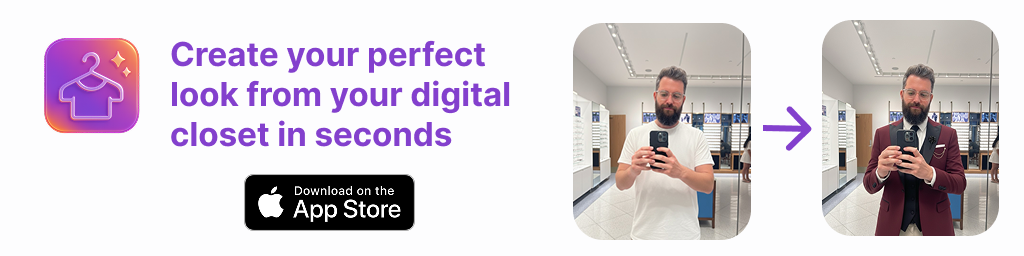
AI-based virtual try-on can help you visualize how clothing pieces might look together using photos, which can be useful when you want to compare combinations without changing clothes repeatedly. It is a style-planning aid: it can help you consider color, layering, and the overall impression of a look based on the images you provide.
It is not the same as trying on the real garments. A generated image should not be treated as a guarantee of exact fit, sizing, drape, texture, or fabric behavior. Photos, lighting, pose, and image quality can also affect what you see. For decisions involving comfort, precise proportions, or how a material moves, inspect and try the actual clothing when possible.
That distinction matters when choosing between a smart closet organizer and a rack. Digital visualization can narrow your options, while physical checking can confirm details that an image cannot reliably establish. Using both makes the limits of each method clearer.
How to choose a planning method that you will maintain
A planning system should reduce friction, not become another chore. Consider these questions before deciding:
- Do you forget what you own? A digital catalog may help you review pieces that are not immediately visible.
- Do you need a ready-to-wear reminder? A rack keeps a specific outfit physically in view.
- Are you planning one look or many? A rack works well for a small number of complete outfits; a digital closet can make broader comparisons easier.
- Will you keep the system current? Choose the approach you can realistically update after laundry, repairs, or wardrobe changes.
- Do you need to verify how an item feels or fits? Check the real garment; neither a catalog nor a generated visualization can confirm comfort.
You can also start small. Rather than photographing every item you own, catalog the pieces you reach for often or the category that causes the most outfit indecision. Likewise, a rack does not need to hold a whole week of clothes. One or two complete looks may be enough to make busy mornings easier.
A simple hybrid routine
For a balanced approach, use a digital closet when you are exploring options and a rack when you have made a decision. First, identify the occasion and select a few garments that fit its practical needs. Compare possible combinations digitally, then take the preferred outfit out and inspect it in person. Add shoes, layers, and accessories only after checking the main pieces.
Before the day arrives, confirm that everything is clean and suitable for the forecast and planned activities. If something changes, use the digital catalog to find an alternative, then check that replacement physically. This routine keeps the rack from becoming a storage area for too many maybes and gives the digital organizer a clear purpose: helping you choose, not replacing your judgment.
Which option should you choose?
Choose clothes rack planning if you want a tactile, visible way to prepare a small number of outfits and verify garments in person. Choose a smart closet organizer if you want to catalog more of your wardrobe, explore combinations, or keep outfit ideas organized across occasions. If you face both problems, combine them: use digital planning to discover options and a rack to prepare the final look.
The goal is not to create the most elaborate system. It is to make useful clothes easier to notice, make outfit decisions with less backtracking, and catch practical issues before you leave. A digital closet guide from Outfit Maker offers more ideas for organizing wardrobe items and planning combinations; the same principles can be adapted to whichever tools you already use.