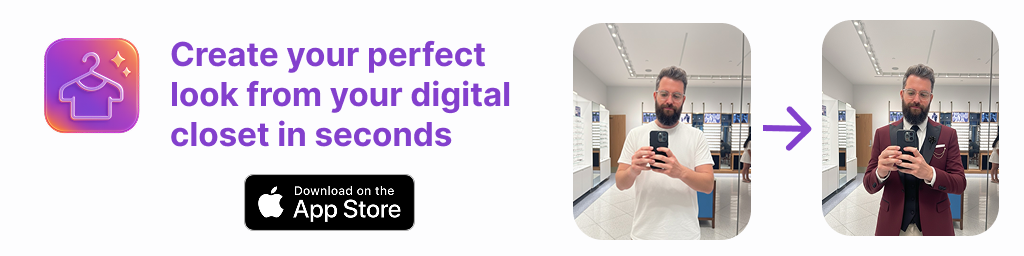
A smart closet organizer works best when your digital wardrobe reflects your real one. That sounds obvious, but most people don’t struggle with “building” a closet database—they struggle with keeping it current. Items get donated, altered, stained, seasonal needs change, and suddenly your outfit suggestions include a sweater you gave away months ago.
This guide gives you a simple, repeatable routine to maintain a digital wardrobe you can trust. You’ll learn how to capture better clothing photos, tag items in a way that supports real outfit planning, set “outfit rules” that match your lifestyle, and run quick checkups so your smart closet organizer stays accurate over time.
Why accuracy is the whole point of a smart closet organizer
A digital wardrobe only saves time if it reduces decision fatigue. Accuracy matters because it directly affects:
- Outfit planning speed: fewer dead ends like “where is that shirt?”
- Virtual try-on realism: better photos and consistent categories create better comparisons
- Shopping discipline: you can see gaps vs. duplicates more clearly
- Cost-per-wear insights: wear tracking is useless if half your closet is missing or mislabeled
Think of maintenance as the difference between a cluttered notes app and a reliable calendar. The goal is trust: when you open your closet organizer, you believe what it shows you.
The 3-layer closet system: Inventory → Tags → Outfit rules
Most smart closet organizer workflows have three layers:
- Inventory: photos + basic item details (type, color, brand if you want)
- Tags: attributes used for search, filtering, and planning (season, fit, formality)
- Outfit rules: your personal constraints that prevent “cute but unrealistic” combos
Maintenance is easier when you know which layer needs attention. For example: a missing photo is an inventory problem; “too many items labeled ‘casual’” is a tagging problem; “AI keeps pairing silk with my rain jacket” is an outfit-rule problem.
Step 1: Photograph items so they’re usable (not just pretty)
Better photos improve virtual comparisons, help you remember what you own, and reduce duplicates (“Do I already have this?”). Use this quick setup:
Clothing photo checklist
- Lighting: stand near a window; avoid yellow indoor lighting if possible
- Background: plain wall, door, or bedsheet to reduce visual noise
- Angle: straight-on, not tilted; include full silhouette
- Consistency: same framing for tops, bottoms, outerwear
- Color accuracy: if the photo reads warmer/cooler than reality, retake
Pro tip: Take one “catalog” photo (clean, flat, consistent) and optionally one “on-body” photo for reference. In a smart closet organizer, clarity usually beats aesthetics.
How to handle tricky items
- Black clothing: add side lighting so seams and shape show up
- Shiny fabrics: avoid direct flash; use indirect light to prevent glare
- Patterns: step back slightly so the full print is visible
Step 2: Use a tagging system that stays clean over time
Tagging is where most digital wardrobes slowly break down. People create too many near-duplicates (“work”, “office”, “business casual”, “smart casual”) and then stop tagging altogether.
A sustainable tagging system is:
- Small: fewer tags, used consistently
- Decision-based: tags you actually filter by
- Stable: doesn’t change every month
A practical tag set for most wardrobes
Start with these categories and keep each category to ~3–6 values.
| Tag Category | Examples | Why it matters |
|---|---|---|
| Season | Hot, Mild, Cold, All-season | Stops unrealistic outfit picks |
| Formality | Relaxed, Casual, Smart, Formal | Makes planning for events faster |
| Silhouette/Fit | Fitted, Straight, Oversized | Balances proportions in outfits |
| Fabric weight | Light, Medium, Heavy | Useful for comfort and layering |
| Footwear comfort | Walkable, Limited, Occasion | Prevents “looks great, hurts later” |
| Care level | Easy, Delicate, Dry clean | Plans around laundry reality |
A simple naming convention to reduce duplicate tags
If your app allows custom tags, define your “approved vocabulary” once and reuse it. Here’s a sample taxonomy you can keep in your notes:
{
  "season": ["hot", "mild", "cold", "all"],
  "formality": ["relaxed", "casual", "smart", "formal"],
  "fit": ["fitted", "straight", "oversized"],
  "weight": ["light", "medium", "heavy"],
  "comfort": ["walkable", "limited", "occasion"],
  "care": ["easy", "delicate", "dry_clean"]
}
When you add a new item, you’re choosing from a stable set instead of inventing new labels.
Step 3: Add outfit rules so your planner matches your real life
Outfit planning often fails for one reason: the system doesn’t understand your constraints. Outfit rules are personal guardrails that turn a digital wardrobe into a usable one.
Examples of outfit rules that actually help
- Comfort rule: “If I’m commuting, shoes must be Walkable.”
- Weather rule: “If it’s cold, include one Heavy layer or a thermal base.”
- Work rule: “For office days, formality must be Smart or above.”
- Color rule: “No more than two loud prints in one outfit.”
- Fit rule: “One fitted + one relaxed piece for balance.”
Maintenance insight: If your planner keeps producing outfits you would never wear, don’t add more clothes—tighten your tags or rules.
Step 4: Do a weekly 10-minute closet sync (the key habit)
The easiest way to keep a smart closet organizer accurate is a tiny weekly routine. Put it on your calendar and keep it short.
Weekly closet sync checklist
- Remove the “not in closet” items: returns, donations, items at the tailor, borrowed pieces.
- Add new purchases immediately: photo + essential tags only (you can refine later).
- Mark wear status: note what you wore most and what you skipped.
- Fix 3 messy entries: bad photo, wrong category, missing season tag, etc.
This prevents the slow drift where your digital wardrobe becomes a “museum of past clothes” instead of your current closet.
Step 5: Run a monthly “closet audit” to improve outfit outcomes
Once a month, do a slightly deeper check. This is where you refine tags, identify gaps, and reduce clutter in your data.
Monthly audit: what to review
- Unworn items: why weren’t they worn—fit, comfort, styling difficulty, or wrong season?
- Over-tagging: merge duplicates (e.g., keep only “Smart” instead of “Business casual” and “Office”).
- Outfit templates: save 3–5 go-to formulas (e.g., “straight jeans + fitted tee + structured jacket”).
- Realistic occasion sets: work, errands, dinner, events—make sure each has enough options.
If you want one metric, track this: How often did you open your wardrobe planner and feel confident? If confidence is low, it’s usually a tagging/rules issue—not a lack of clothing.
Common smart closet organizer mistakes (and quick fixes)
Mistake 1: Treating your digital wardrobe like a one-time project
Fix: Weekly sync + monthly audit. The goal is a living system, not a perfect database.
Mistake 2: Tagging everything as “casual”
Fix: Redefine formality tags by decision points: what you’d wear to work vs. errands vs. a nice dinner.
Mistake 3: Ignoring comfort and care tags
Fix: Add a “walkable shoes” tag and a “care level” tag. These two alone reduce outfit regret.
Mistake 4: Too many categories too soon
Fix: Start with essentials (season, formality, fit). Add one new category only when you find yourself repeatedly wishing you could filter by it.
How to use your smart closet organizer for faster daily decisions
When your wardrobe is accurate, outfit planning becomes a quick workflow:
- Filter by today’s needs: weather + occasion + comfort.
- Pick an anchor piece: shoes, jacket, or statement top.
- Build with balance: fit rule + color rule (simple constraints reduce overwhelm).
- Save winning outfits: name them by situation (e.g., “Client meeting – warm”, “Errands – rain”).
Over time, your saved outfits become a personal lookbook. That’s when a smart closet organizer stops being an app and starts being your default decision tool.
Mini case example: turning a messy closet into a reliable planner
Imagine you have 120 items logged, but you only trust about half of them. Here’s a realistic two-week reset:
- Week 1: Weekly sync + fix the 20 worst entries (missing photos, wrong categories).
- Week 2: Standardize tags (season + formality + comfort) and delete duplicate tags.
Result: fewer total tags, more accurate filtering, and outfit suggestions that match your real constraints (work, commuting, weather). The closet doesn’t need to be “complete” to be useful—it needs to be current.
Conclusion: accuracy beats size
A smart closet organizer isn’t a contest to log every sock you own. The payoff comes from a small set of consistent habits: good photos, a stable tagging system, a few personal outfit rules, and quick maintenance check-ins. When your digital wardrobe stays accurate, you’ll plan outfits faster, shop more intentionally, and get more wear out of what you already own.
If you’re using an iOS digital wardrobe with virtual try-on features, look for tools that make this maintenance routine easy—some apps (like Outfit Maker) are designed around quick cataloging and outfit planning workflows so your closet stays usable day to day.