Getting dressed for work should not require a full wardrobe crisis at 7:30 in the morning. Yet when your closet is crowded, your schedule is busy, and the office dress code changes from day to day, choosing an outfit can become an unnecessary source of stress. The answer is not always buying more clothes. Often, it is seeing the clothes you already own more clearly.
Learning to plan work outfits with a smart closet organizer gives you a practical system for building polished looks ahead of time. A digital wardrobe helps you catalog clothing, group items by function, visualize combinations, and create a reliable rotation for office days, client meetings, remote calls, and after-work plans.
This guide explains how to build a workwear planning system that saves time, reduces repeat purchases, and helps you feel prepared for every professional setting.
Why Work Outfit Planning Makes Mornings Easier
Workwear has a different job than weekend clothing. Your outfits may need to communicate professionalism, fit a workplace culture, work with commuting weather, and remain comfortable through long meetings. When you make these decisions in a rush, you are more likely to default to the same few outfits or wear something that does not feel quite right.
Planning ahead separates decision-making from the busiest part of your day. Instead of asking, “What can I wear?” every morning, you can simply check an outfit you prepared for that day.
- Save time: Reduce last-minute searching, ironing, and changing.
- Dress with confidence: Review combinations before you need to leave.
- Use more of your wardrobe: Rediscover trousers, blazers, shoes, and tops that are easy to overlook.
- Prepare for variables: Build alternatives for rain, cold offices, presentations, or unexpected evening plans.
- Shop more intentionally: Identify genuine wardrobe gaps instead of purchasing duplicates.
“A good work wardrobe is not one with endless options. It is one where the right options are easy to find.”
Start With a Digital Inventory of Your Work Clothes
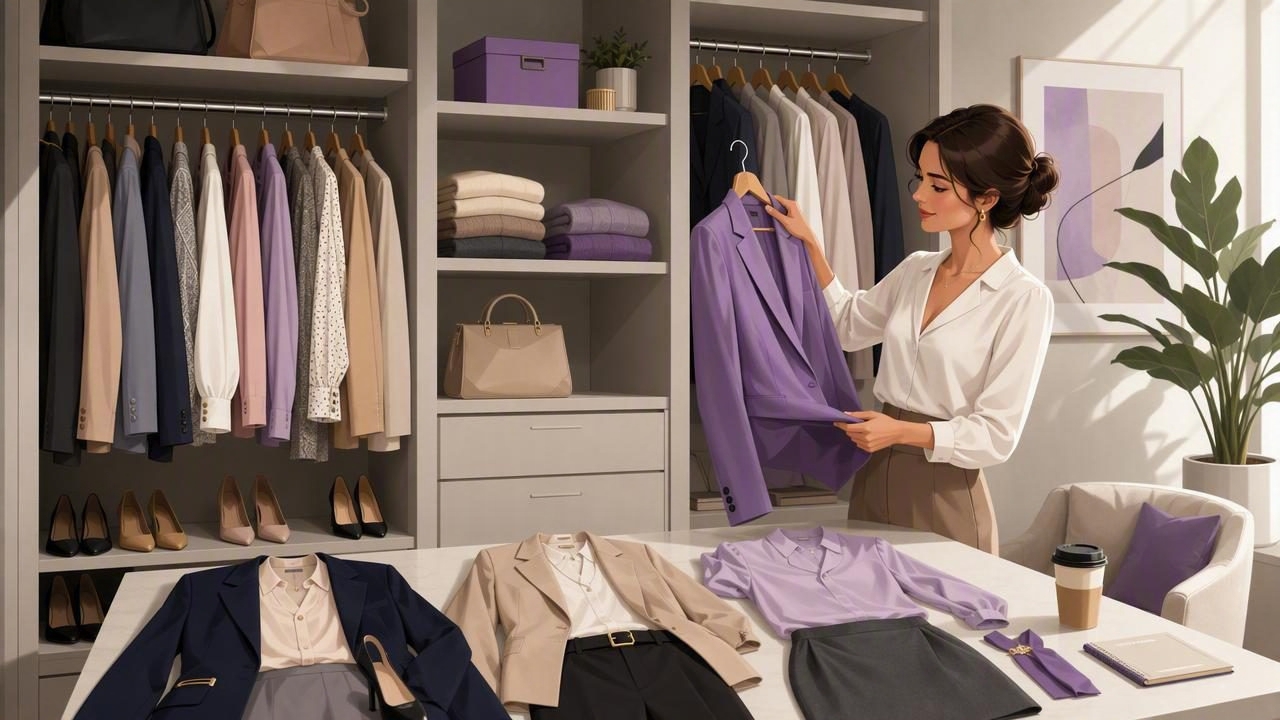
The first step is to create a useful digital wardrobe. You do not need to add every item you own in a single session. Begin with the pieces you wear, or want to wear, for work. Photograph each item against a simple background and include clothes from every relevant category.
What to add first
- Blazers, cardigans, overshirts, and structured jackets
- Work trousers, skirts, dresses, and office-appropriate jeans
- Button-down shirts, knitwear, blouses, and polished T-shirts
- Loafers, flats, heels, boots, clean sneakers, and commute shoes
- Bags, belts, scarves, jewelry, and layering pieces
- Seasonal outerwear, including rain jackets and warm coats
As you add items, tag them with details that make future searches easier. Useful tags include color, season, formality level, material, fit, laundry status, and workplace category. For example, a navy blazer might be tagged smart casual, client meeting, spring, autumn, navy, layering.
This information matters because a digital closet is not just a photo album. It becomes a searchable planning tool. If you have an important presentation, you should be able to filter for polished, comfortable, weather-appropriate pieces rather than scanning every hanger in your bedroom.
Define Your Workplace Dress Codes
Many people have more than one work dress code. A company may be casual most days but expect a more formal appearance when clients visit. Hybrid workers may need camera-friendly tops for video calls, while people who commute by bike or public transportation may need practical footwear and layers.
Create a few outfit categories based on your real weekly schedule. Avoid vague labels such as “nice” or “work.” Specific categories lead to better decisions.
| Work situation | Outfit priorities | Example formula |
|---|---|---|
| Regular office day | Comfort, polish, easy layering | Knit top + tailored trousers + loafers |
| Client meeting | Structure, confidence, minimal distractions | Blazer + neutral top + trousers or midi skirt |
| Video-call day | Strong neckline, camera-friendly color | Textured blouse + simple jewelry + cardigan |
| Creative workplace | Personal style with a refined finish | Statement knit + dark denim + sleek boots |
| After-work event | Day-to-evening flexibility | Dress + blazer + adaptable shoes |
Once you have categories, save outfit collections for each one. This makes planning faster because you will have a focused menu of options for the context rather than a long list of unrelated clothes.
Build Reliable Outfit Formulas Before Creating Individual Looks
An outfit formula is a repeatable structure, not a uniform. It helps you create variety while keeping your work style consistent. For example, “tailored trousers + fitted knit + third piece” can generate dozens of outfits by changing colors, textures, and accessories.
Start with three to five formulas that suit your workplace and personal preferences. If you dislike restrictive clothing, do not build your system around stiff shirts and fitted blazers simply because they seem professional. The best plan is one you will genuinely wear.
Useful professional outfit formulas
- Polished basic: straight-leg trousers + tucked-in top + loafers.
- Layered smart casual: dark jeans + fine knit + blazer or overshirt.
- Easy dress formula: midi dress + cardigan or blazer + boots or flats.
- Presentation look: structured jacket + coordinated separates + simple accessories.
- Comfort-first office look: soft trousers + elevated T-shirt + longline layer.
Use your smart closet organizer to create a saved collection for each formula. Then duplicate the concept with alternative pieces. A formula prevents the common problem of owning individual items that look good alone but never become complete outfits.
Create a Weekly Work Outfit Plan
Weekly planning is where a digital wardrobe becomes especially helpful. Choose a time that fits your routine, such as Sunday evening or after you check your calendar on Friday afternoon. Review the coming week before selecting clothes.
Look for practical details: Do you have a presentation? Will temperatures change? Is there a team lunch, networking event, commute, or laundry day to consider? Planning around reality is more effective than selecting five attractive outfits with no connection to your schedule.
A simple weekly planning process
- Review your work calendar and local forecast.
- Identify days requiring more formal or camera-ready outfits.
- Select a complete outfit for each in-office day.
- Add a backup option for weather changes, spills, or mood shifts.
- Check that shoes, outerwear, and accessories work with each look.
- Confirm that key items are clean, pressed, and ready to wear.
Try to avoid planning five completely unrelated looks. Repeating a jacket, bag, shoe, or trouser silhouette across the week makes your wardrobe more efficient. It also creates a cohesive personal style without making every day feel identical.
Use Virtual Try-On to Test Combinations
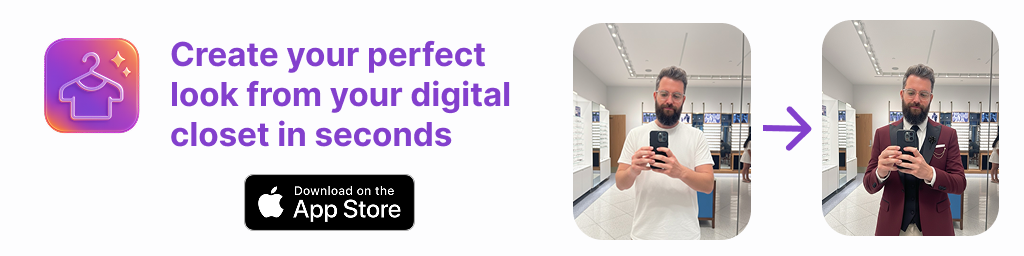
Flat-lay photos are useful, but they do not always answer the question that matters most: how will the outfit look on you? A virtual try-on feature can help you preview combinations with your own image before committing to a look. This is particularly useful when testing proportions, color pairings, or a new layering idea.
For workwear, use virtual try-on to compare choices that are close but serve different purposes. You might test whether a cropped blazer works better with wide-leg trousers, whether a brighter blouse looks professional on camera, or which shoes make a dress feel appropriate for a client meeting.
Virtual styling should support your judgment, not replace it. Check the real-world factors that an image cannot fully capture: comfort, fit, fabric wrinkling, temperature, walking distance, and your workplace’s norms. Still, seeing an outfit digitally can eliminate many combinations before you pull them from the closet.
Plan for Color, Repeats, and Laundry
A practical work wardrobe is designed for repetition. Rewearing a favorite blazer, pair of trousers, or shoes is normal and sustainable. The goal is to repeat pieces thoughtfully, while varying the combinations around them.
Choose a base palette of neutral colors you enjoy wearing, such as navy, black, charcoal, cream, olive, camel, or denim. Then add a few accent colors that complement those basics. This approach makes it easier to mix items and reduces the chance that you own isolated pieces with nothing to wear them with.
In your digital wardrobe, mark items that are in the laundry, need tailoring, or require dry cleaning. This small habit prevents a planned outfit from falling apart the night before. You can also track what you wore recently to avoid accidentally repeating the exact same look too often if that matters in your workplace.
Find Gaps Without Overbuying
After several weeks of outfit planning, patterns will become clear. Perhaps you have six work tops but only two that fit comfortably under a blazer. Maybe every outfit depends on the same black loafers, or you lack a warm layer for overly air-conditioned offices.
These are useful wardrobe gaps. A gap is not simply something fashionable you do not own; it is an item that would unlock more outfits from the clothes already in your closet.
- Prioritize items that work with at least three existing pieces.
- Replace worn-out essentials before buying highly specific trend items.
- Consider fit, care requirements, and comfort alongside appearance.
- Save possible purchases next to planned outfits to test their versatility.
This method turns shopping into a targeted solution rather than a reaction to having “nothing to wear.”
Make Your System Easy to Maintain
Your outfit planner should simplify your life, not create another weekly task. Refresh it gradually. Add new purchases when they enter your wardrobe, remove donated items, and update photos if a piece changes after tailoring. A ten-minute review each week is usually enough to keep the system useful.
As your collection grows, save your strongest work looks in a favorites folder. Over time, you will build a personal lookbook filled with proven combinations for busy days, important meetings, seasonal transitions, and occasions when you want an extra confidence boost.
A tool such as Outfit Maker can support this process by combining a digital wardrobe, outfit planning, and virtual visualization in one place. The real value, however, comes from creating a routine that reflects your job, your style, and the clothes you already enjoy wearing.
Conclusion: Make Workwear a Solved Problem
When you plan work outfits with a smart closet organizer, getting dressed becomes less about guessing and more about following a system you trust. Start small by cataloging your core work pieces, define the situations you dress for, build a few adaptable formulas, and plan around your actual calendar.
With a clear digital view of your wardrobe, you can spend fewer mornings searching for the right shirt and more time starting the workday feeling organized, comfortable, and ready.