Wedding invitations are exciting, but deciding what to wear can quickly become complicated. Between vague dress codes, venue details, changing weather, travel plans, and the desire to look polished in photos, a single event can lead to a surprisingly long list of wardrobe questions.
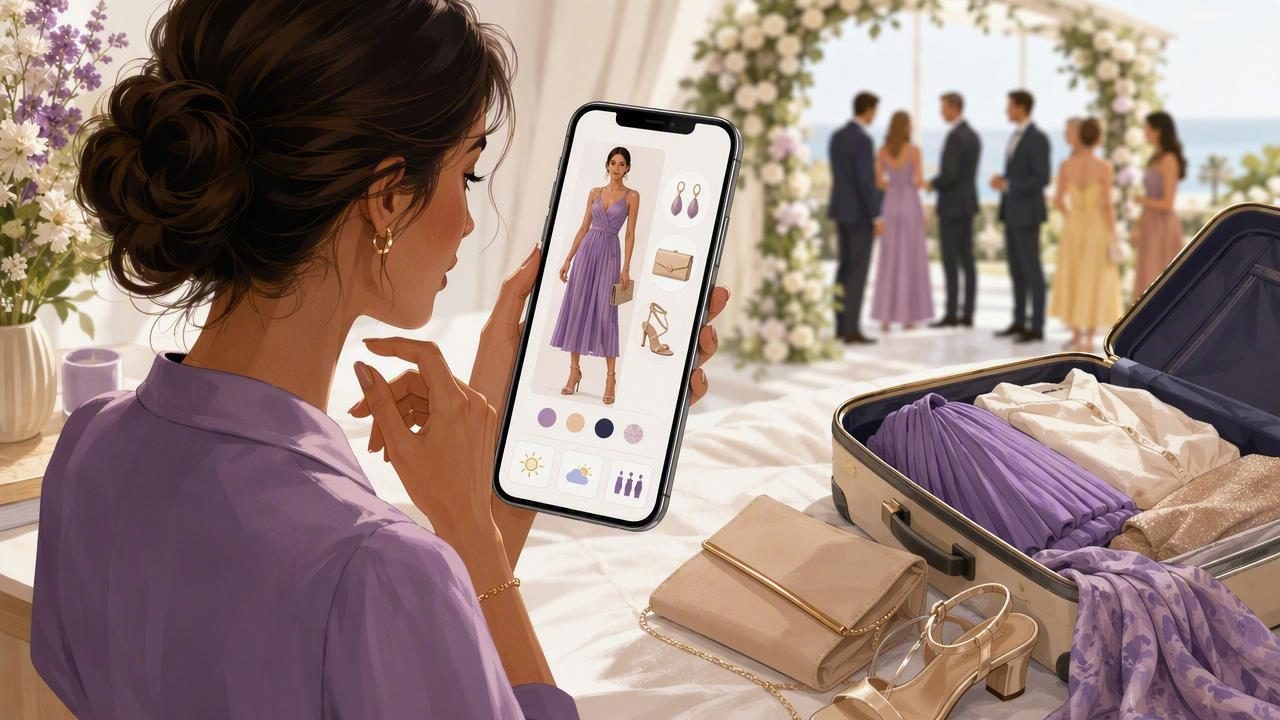
The good news is that you do not need to buy an entirely new outfit for every celebration. When you plan wedding guest outfits with a personal styling app, you can see your existing wardrobe more clearly, test combinations before the event, and make confident choices with less last-minute stress. A digital wardrobe also makes it easier to coordinate shoes, outerwear, bags, and accessories around one reliable look.
This guide explains how to use a personal styling app, smart closet organizer, or AI outfit generator to prepare for wedding events thoughtfully and efficiently.
Start With the Wedding Details, Not the Clothes
Before opening your closet or scrolling through outfit inspiration, collect the details that affect what is appropriate. A great wedding guest outfit is not just stylish; it suits the couple's expectations, the setting, and the practical conditions of the day.
Create an event note in your fashion planning tool with the following information:
- Date and time: A daytime garden ceremony calls for something different from an evening ballroom reception.
- Venue: Consider whether it is a beach, vineyard, country club, city rooftop, religious venue, or private home.
- Dress code: Note the exact language used on the invitation or wedding website.
- Weather forecast: Check temperatures, rain probability, wind, humidity, and the evening temperature drop.
- Travel requirements: Include luggage limits, transit time, and whether you need to change between ceremony and reception.
- Cultural or religious guidance: Follow any stated expectations around coverage, footwear, color, or formality.
Adding these details first gives an AI outfit generator or personal styling app useful context. Instead of looking at every item in your closet, you can narrow your options to pieces that genuinely work for the occasion.
Decode the Dress Code Before Building Looks
Dress codes are helpful, but they are not always perfectly clear. Use them as a starting point, then let the venue, season, and time of day guide the final level of polish. If you are unsure, it is generally better to be slightly more refined than noticeably underdressed.
| Dress Code | Good Starting Points | Usually Best to Avoid |
|---|---|---|
| Casual | Midi dress, polished jumpsuit, tailored separates, loafers or dressy sandals | Gym wear, distressed denim, flip-flops |
| Cocktail | Midi dress, elevated mini dress, sleek suit, heels, dressy flats | Very casual fabrics, oversized everyday bags |
| Formal | Long dress, sophisticated midi, tuxedo-style suit, elegant accessories | Daytime casual pieces, overly informal footwear |
| Black tie | Floor-length gown, formal evening suit, refined jewelry, evening clutch | Casual separates, large tote bags, daytime shoes |
| Beach or destination | Breathable fabrics, colorful prints, block heels, dressy sandals | Heavy fabrics, narrow stilettos that sink into sand |
One important wedding guest rule is to avoid wearing white, ivory, cream, or a look that could read as bridal unless the couple explicitly requests an all-white dress code. It is also wise to avoid an outfit that feels more attention-grabbing than the setting calls for. You can still wear bold color, interesting texture, or a memorable silhouette while respecting the event.
Build a Digital Wedding Guest Outfit Board
A digital wardrobe turns a crowded closet into a practical visual catalog. Start by uploading or photographing likely clothing items: dresses, suits, blazers, trousers, skirts, tops, shoes, bags, jewelry, wraps, and weather layers. If your wardrobe is already cataloged, filter it by color, formality, season, fabric, or occasion.
Then create a dedicated collection for the wedding. Add every possible item without judging it too quickly. Seeing garments side by side often reveals combinations you would not notice on hangers.
Useful tags for wedding fashion planning
- Wedding guest
- Cocktail or formal
- Spring, summer, fall, or winter
- Outdoor-friendly
- Travel-friendly
- Comfortable for dancing
- Needs tailoring
- Needs cleaning
- Rain backup
Tags make the decision process much faster. For example, if the ceremony is outdoors and the forecast calls for cool evening temperatures, filter for formal pieces plus layers. You can immediately identify whether your favorite dress works with a shawl, cropped jacket, or structured blazer.
Create Three Outfit Options, Then Compare Them
Planning only one outfit can feel risky. Planning ten creates decision fatigue. The most useful middle ground is to build three complete outfit options: a primary choice, a polished backup, and a weather-aware alternative.
- Primary outfit: Your best match for the dress code, venue, and personal style.
- Comfort option: A look that is similarly appropriate but easier to move, sit, eat, or dance in.
- Weather backup: A version with practical shoes, a layer, or a fabric better suited to rain, heat, or wind.
Each outfit should include all the details, not only the main garment. A dress is not a complete plan without shoes, bag, jewelry, outer layer, and undergarments. Add each item to a saved outfit board so you can check proportions, colors, and formality at a glance.
The best wedding guest outfit is one you can forget about once the celebration begins. If you are constantly adjusting straps, worrying about your shoes, or feeling cold, the outfit is not serving you.
Use Virtual Try-On to Check the Whole Look
Virtual try-on technology is particularly useful when you already own several possible pieces but cannot decide how they work together. Rather than changing in and out of clothes repeatedly, you can preview combinations digitally and compare them in one place.
Use virtual try-on for decisions such as:
- Whether a blazer makes a dress look too businesslike or adds the right structure.
- Whether metallic, nude, or colorful shoes create the best balance.
- How a belt changes the shape of a dress or jumpsuit.
- Whether a larger bag looks too casual for an evening event.
- Which jewelry option feels elegant without competing with a patterned outfit.
Digital previews are excellent for narrowing choices, but always do one real-life fitting before the wedding. Check how the outfit feels when you sit, walk, reach up, and move around. Look at it in natural light and take a few photos from different angles. This final check helps you catch issues that a virtual view may not show, such as fabric transparency, wrinkles, shoe comfort, or an awkward hem length.
Choose Colors and Fabrics That Work in Photos
Wedding photos are one reason thoughtful outfit planning matters. Cameras can make certain colors look brighter, darker, or more reflective than they appear in person. For most weddings, saturated jewel tones, soft pastels, earthy hues, navy, deep green, burgundy, and refined prints photograph beautifully.
When selecting a color, consider the venue palette without trying to match the wedding party. A floral dress may suit a garden setting, while a clean solid color can feel right for a modern city venue. For fall or winter events, velvet, crepe, satin, and structured suiting can add richness. For warm-weather celebrations, linen blends, chiffon, cotton poplin, and breathable silk alternatives are often more comfortable.
Pay attention to fabric behavior. Very shiny materials may photograph differently under flash, while thin fabrics can cling in humidity or show lines in direct sunlight. Save a photo of each candidate outfit in your digital wardrobe to compare how it looks on camera before making a final choice.
Plan for Comfort Without Sacrificing Style
Weddings often involve more walking, standing, and dancing than expected. You may cross grass, climb stairs, wait outdoors, or spend hours at a reception table. A well-planned outfit accounts for those realities.
Comfort checks to complete before the event
- Walk in your chosen shoes for at least 20 minutes indoors.
- Test the outfit while sitting down and standing up repeatedly.
- Make sure straps, waistbands, and closures stay secure.
- Pack blister patches, fashion tape, safety pins, and a small stain-removal wipe.
- Choose an outer layer that works visually and provides real warmth if needed.
- Consider a second pair of comfortable shoes for late-night dancing, if appropriate.
Your personal styling app can also help by storing notes on fit. Add reminders such as “wears best with seamless undergarments,” “needs heel grips,” or “bring a wrap after sunset.” These small notes are valuable when you revisit the outfit months later for another formal occasion.
Coordinate Accessories as a System
Accessories should support the outfit rather than become a separate puzzle on the morning of the wedding. Start with the shoes, because they influence the hem length, movement, and formality of the entire look. Next, choose a bag that holds essentials without overwhelming the silhouette. Finally, select jewelry, hair accessories, and outerwear.
A simple styling formula is helpful:
- Statement outfit: Keep shoes, bag, and jewelry streamlined.
- Minimal outfit: Add interest with a sculptural earring, colorful shoe, or textured bag.
- Metallic accessories: Repeat one metal family when possible for a cohesive result.
- Patterned clothing: Pull one subtle color from the print for your bag or shoe.
Save accessory variations with each outfit in your smart closet organizer. Comparing a look with two different shoe options can be enough to resolve a styling decision immediately.
Prepare a Final Wedding Guest Outfit Checklist
Two or three days before the event, confirm your selected outfit and prepare everything in one place. This prevents the common problem of discovering that an item needs steaming, repair, or cleaning an hour before you leave.
- Review the latest weather forecast and venue information.
- Try on the complete outfit, including shoes and undergarments.
- Steam or press garments and check for loose buttons or missing hooks.
- Charge your phone and save event directions, timing, and parking details.
- Pack your small emergency items and any necessary weather protection.
- Save the final look in your digital wardrobe for easy reuse and inspiration.
Once the event is over, keep a quick note about what worked. Did the shoes stay comfortable? Was the jacket necessary? Did you feel overdressed or perfectly aligned with the event? Over time, these notes create a personalized reference library that makes future wedding guest dressing much easier.
Make Wedding Outfit Planning Easier Every Time
Wedding guest style does not require endless shopping or a stressful closet search. By organizing your clothes digitally, considering the event context, creating a few complete looks, and checking them with virtual try-on, you can make a decision that feels both appropriate and personal.
A personal styling app helps turn one-off outfit choices into a repeatable system. Tools such as Outfit Maker can support this process by helping you catalog pieces, compare combinations, and plan polished looks from the wardrobe you already own.