Hiring a personal stylist can feel like a luxury, but the right strategy can make it practical, efficient, and even budget-friendly. Whether you want a closet refresh for work, a polished capsule wardrobe, or guidance before a big life change, understanding how stylists work—and how to replicate their process at home—will save you time and money. This guide breaks down the stylist workflow, typical costs, how to vet professionals, and the best digital tools to get stylist-level results on your own.
What a Personal Stylist Actually Does
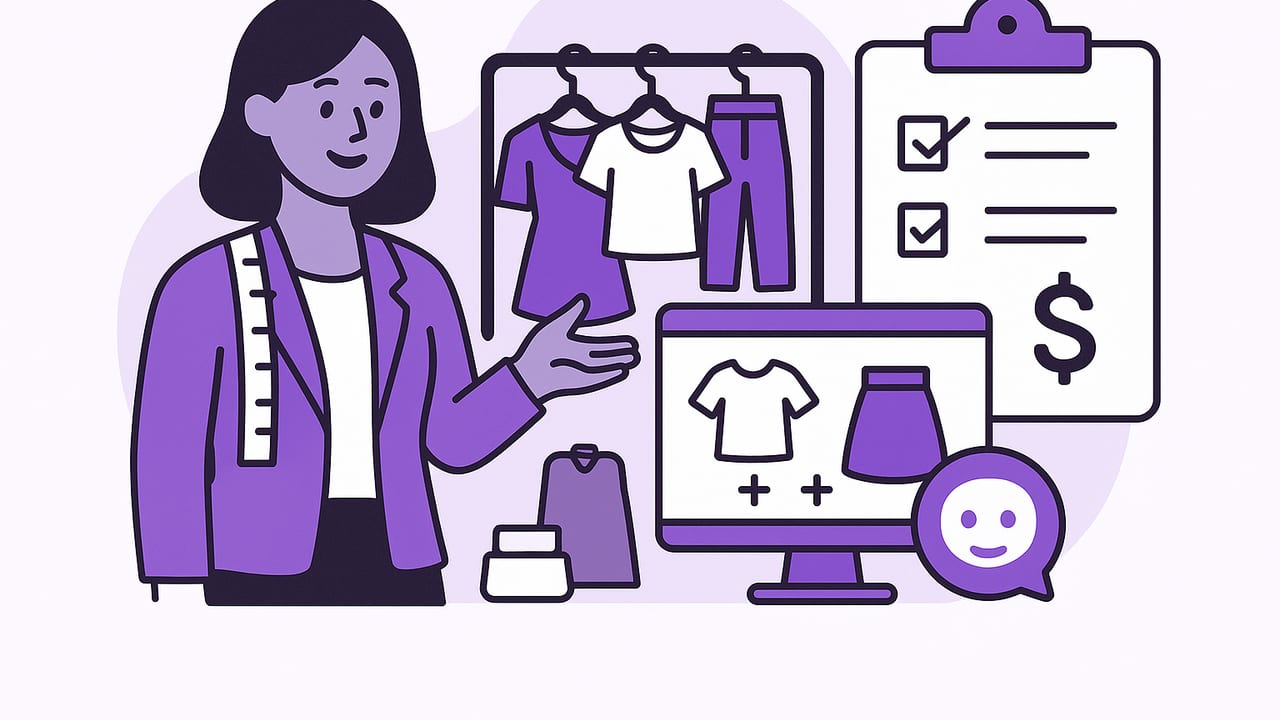
Think of a personal stylist as a systems builder for your wardrobe. They translate your lifestyle, body data, and preferences into repeatable outfit formulas and a wardrobe that works together. Core deliverables often include:
- Style discovery: Clarifying your goals, dress codes, and the image you want to project across work, weekends, events, and travel.
- Fit analysis: Taking measurements, noting proportions, preferred rises and lengths, and identifying common tailoring needs.
- Color direction: Selecting a palette of neutrals and accent colors based on undertones and contrast level so everything mixes.
- Closet audit: Editing what you own into keep, tailor, donate/sell, and identifying gaps.
- Outfit formulas: Repeatable frameworks (e.g., “structured top + relaxed bottom + third layer + 1 statement accessory”).
- Shopping plan: Prioritized list with budgets, sources, and alternatives; usually includes links.
- Lookbook: Ready-made outfits and how to remix them for weather or occasion.
How Much a Personal Stylist Costs—and What You Get
Prices vary by market and scope, but these ranges will help you budget:
- Virtual session (1–2 hours): $100–$400
- In-person closet edit (3–6 hours): $300–$1,200
- Shopping and lookbook package: $500–$2,500+
- Ongoing retainer: $150–$600 per month
To decide if it’s worth it, consider cost per wear. If a stylist helps you buy fewer, better items that you wear 30+ times each, the savings from avoided mistakes often outweigh fees.
| Option | Typical Cost | Pros | Cons | Best For |
|---|---|---|---|---|
| In-person personal stylist | $$$–$$$$ | Hands-on fit help, local shopping, tailor coordination | Higher cost, scheduling, local availability | Special events, major refresh, complex fit needs |
| Virtual stylist | $$–$$$ | Convenient, great for planning and links, flexible | Less hands-on fit assessment | Capsule planning, seasonal refreshes |
| Subscription styling box | $–$$ per shipment | Easy, curated picks shipped to you | Limited brand range, variable fit, returns | Try-ons without shopping effort |
| DIY with digital tools | $–$$ | Low cost, repeatable process, full control | Requires time and organization | Budget-conscious, data lovers, ongoing iterators |
How to Choose the Right Stylist
A great match matters more than any single credential. Evaluate:
- Portfolio and vibe: Do their before/after results and outfit builds align with your goals?
- Process: Ask about measurements, color, closet audit steps, and how they document outfits and links.
- Communication: Response time, meeting cadence, and revision policy.
- Transparency: Fees, affiliate links, return policies, and whether they push certain brands.
- Tailoring stance: Do they factor in alterations and advise on when to tailor vs. replace?
Red flags: One-size-fits-all style boards, vague pricing, pressure to buy quickly, or ignoring your comfort and constraints.
Searching for an “ersonal stylist”? Here’s what to look for
If you typed ersonal stylist by accident, you’re not alone—search engines see that typo often. Whether you’re searching the correct phrase personal stylist or the misspelling, use filters like “virtual,” “closet edit,” and your city. Review testimonials for results you care about (e.g., fewer returns, confidence at work, effortless packing). And if you ultimately opt for DIY, the same professional workflow applies.
A Stylist-Approved Workflow You Can Use at Home
You can replicate the core methodology a pro uses. Block 2–3 focused sessions or a weekend and follow these steps:
1) Define goals, context, and constraints
- Occasions: Work, weekends, date nights, events, travel, gym.
- Outcomes: Polished for presentations, cohesive smart-casual, elevated basics.
- Constraints: Budget, climate, dress code, laundry cadence, storage space.
2) Fit first: capture accurate measurements
- Bust/chest, waist, hip, shoulder width, sleeve length, rise preference, inseam(s), thigh, calf.
- Note footwear sizes by brand; list common fit issues (gaping, tight thighs, sleeve length).
- Create a quick tailor plan for high-impact fixes (hem pants, nip waist, shorten sleeves).
3) Lock your color palette
Pick 2–3 core neutrals (e.g., navy, black, camel) and 2–3 accents that flatter your undertone and contrast. Test with a window selfie: hold candidate colors near your face and watch for brighter eyes/skin vs. shadows. Commit to your palette so new items integrate seamlessly.
4) Audit your closet with hard categories
- Keep: Fits well, aligns with palette, worn in the last year.
- Tailor: One small fix will unlock frequent wear.
- Sell/Donate: Off palette, duplicate, uncomfortable, or never worn.
- Gap list: Missing layers, shoes, or accessories that would complete outfits.
Photograph items you’re keeping so you can plan outfits digitally, tag by season, color, and occasion, and add notes on fit.
5) Build outfit formulas
Create 3–5 repeatable formulas per core occasion:
- Smart-casual work: Fine-knit top + pleated trouser + loafers + belt + sleek watch.
- Creative office: Statement blouse + barrel jeans + heeled boots + structured blazer.
- Weekend: Soft tee + relaxed chinos + white sneakers + lightweight overshirt.
- Evening: Column dress + minimal heels + bold earrings + clutch.
Each formula should translate across colors and fabrics in your palette.
6) Build a tight capsule that multiplies outfits
Small, coordinated wardrobes unlock massive mix-and-match. Example 18-piece capsule:
- 6 tops: white tee, striped tee, silk blouse, knit polo, fine-knit crew, satin cami
- 5 bottoms: tailored trouser, dark jean, barrel jean, slip skirt, chino
- 4 layers: navy blazer, cropped cardigan, trench, denim jacket
- 3 shoes: white sneaker, loafer, low heel/ankle boot
With complementary colors, you’ll realize 50–80 outfits without buying more.
7) Make a smart shopping plan
- Prioritize gaps that unlock multiple formulas (e.g., the right sneaker or blazer).
- Budget by category and assign target brands or secondhand sources.
- Schedule try-ons and batch returns so you control time and costs.
- Track cost-per-wear and fit notes to improve every season.
Copy-and-Paste Style Brief Template
Use this brief to guide a stylist—or to keep yourself focused while shopping:
GOALS: polish for work; capsule for travel; fewer returns
CONSTRAINTS: $800 budget; business-casual dress code; hot climate
PALETTE: navy, black, camel neutrals; accents: forest, cream, copper
FIT: high-rise bottoms; 29" inseam; narrow shoulder; sleeves often long
FORMULAS:
  - Knit polo + trouser + loafers + belt
  - Blouse + slip skirt + blazer + low heels
  - Tee + chino + denim jacket + sneakers
GAPS: navy blazer, white leather sneaker, dark jean without gaping
SHOPPING PLAN: prioritize blazer (max $220), sneakers (max $120), jeans (max $110)
TAILOR PLAN: hem trousers -2", shorten blazer sleeves -0.5"
Digital Tools That Replicate a Personal Stylist
A thoughtful stack can deliver 80–90% of what a pro provides:
- Closet cataloging: Photograph items and tag by category, color, season, and occasion. Aim for clear, well-lit images on a neutral background.
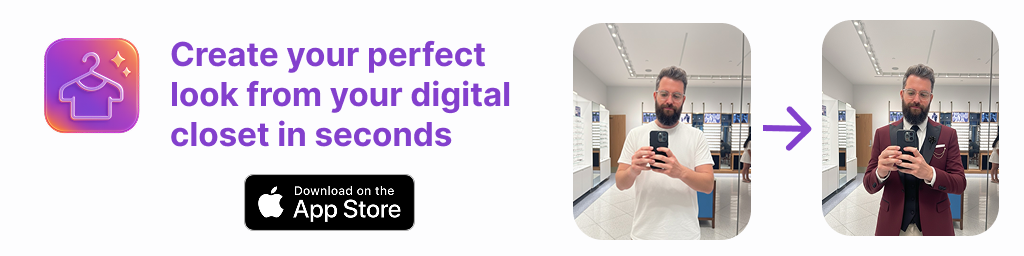
- AI outfit generation: Pair pieces into outfits automatically, then tweak based on your formulas and palette.
- Virtual try-ons or visuals: See combinations before you change clothes—especially useful for color and proportion checks.
- Fit notes and ratings: Track rise, inseam, comfort, and tailoring ideas to reduce returns later.
- Lookbooks and calendars: Save favorite outfits, tag them by context, and plan your week. Log what you actually wore to surface MVP items and identify holes.
- Budget and cost-per-wear tracking: Prevent impulse buys and target the highest-impact upgrades.
When evaluating apps, look for fast item uploads, smart tagging, realistic visuals, and simple sharing so you can get feedback from friends or a stylist.
Pro Tips to Level Up Your Results
- Anchor your palette in footwear and outerwear. Those are hardest to replace and drive cohesion.
- Buy for the formula, not the item. If you can’t place a piece into two formulas you actually wear, skip it.
- Plan tailoring at checkout. Add alteration costs into your budget; great fit makes basics look premium.
- Seasonal refresh, not overhaul. Edit and update quarterly so your system compounds.
- Create an outfit rescue folder. Save 10 dependable looks you can wear on low-energy days or last-minute calls.
FAQs
Do I need a personal stylist or can I DIY?
If you have complex fit needs or a tight deadline (wedding, job change), hiring a pro pays off. Otherwise, a structured DIY process plus digital tools can get you most of the way there.
How long does a full closet refresh take?
Expect 6–10 hours across two weekends for DIY. With a pro, a closet edit plus shopping plan can be done in a day or two, then a week for deliveries and try-ons.
Is “ersonal stylist” a different thing?
No—it’s usually a misspelling of personal stylist. Search engines will still surface relevant results, but use the correct spelling for better resources.
Bottom Line
A personal stylist brings clarity, fit, and cohesion to your wardrobe. But with a solid workflow—goals, measurements, palette, audit, formulas, capsule, and a focused shopping plan—you can achieve similar results yourself. Build a system you trust, track what works, and let your outfits serve your life, not the other way around. If you prefer an iOS app that handles closet cataloging, AI outfit generation, and realistic visuals in one place, consider trying Outfit Maker as a lightweight way to get stylist-level planning without the overhead.
Whether you hire help or DIY, the secret is the same: fewer, better pieces, mixed with intention, worn often.