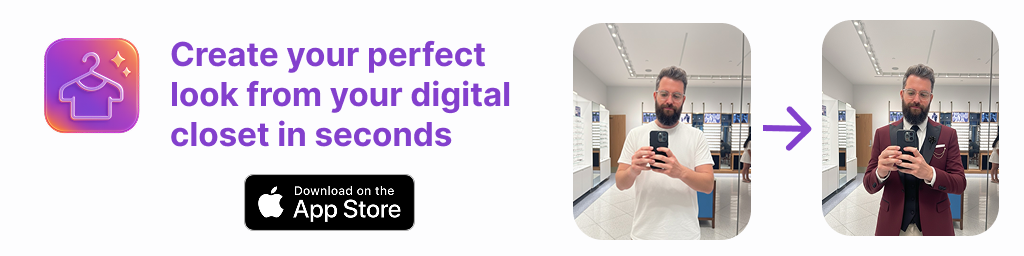
An outfit sharing app blends wardrobe organization, social feedback, and AI try-ons into one streamlined experience. Whether you’re curating a capsule, prepping for a trip, or crowdsourcing styling tips, the right workflows help you post confidently, protect your privacy, and build a style community that actually supports your goals. This guide breaks down best practices—from setup to analytics—so you can get more from every look you share.
What Is an Outfit Sharing App?
An outfit sharing app lets you upload garments, assemble looks, and share them with circles ranging from close friends to public communities. Many tools now pair this with digital wardrobe features (cataloging, tags, seasons) and AI try-on capabilities that simulate how an outfit would look on your body without physically changing clothes. Think of it as a hybrid between a smart closet and a visual conversation about style.
While features differ, most apps fall into one of three flavors:
- Social-first: Emphasis on feeds, comments, and discovery. Best for building audience and getting feedback.
- Utility-first: Focus on organization, tags, and planning calendars. Best for productivity and outfit reuse.
- AI-first: Realistic try-ons, background edits, and garment suggestions. Best for rapid experimentation.
Why Share Your Outfits? Use Cases that Deliver Value
- Feedback loops: Get quick input on fit, color stories, or accessories before an event or purchase.
- Capsule refinement: Share capsules to crowdsource gaps and avoid redundant buys.
- Trip packing: Collaborate on looks for varied weather and activities; track what you actually wore.
- Occasion dressing: Confirm dress codes (weddings, interviews) and fine-tune styling details.
- Resale and thrifting: Share “remix” posts to increase the perceived value of items you plan to resell.
- Accessibility and inclusivity: Help others with similar body types or needs see fits that truly translate.
Setup Checklist: Build a Share-Ready Digital Closet
Before you post, set a foundation that makes sharing fast and repeatable.
- Import your wardrobe: Photograph items on a clean background. Aim for consistent angles and natural light.
- Normalize images: Use background removal and auto-crop for a consistent grid. Add color and fabric notes.
- Tag systematically: Include category, subcategory, season, occasion, and care. Keep tags short and reusable.
- Add fit metadata: Size, alterations, inseam, heel height compatibility, and layering notes.
- Create sharing circles: Define “Friends,” “Style Group,” and “Public” levels so you never overshare by accident.
- Calibrate AI try-ons: Upload clear reference photos with neutral poses; follow in-app guidance for best realism.
Suggested Tag Schema
{
  "item": "Navy Blazer",
  "category": "outerwear",
  "subtype": "blazer",
  "color": "navy",
  "season": ["fall", "spring"],
  "occasion": ["office", "smart-casual"],
  "fit": { "size": "40R", "tailored": true },
  "care": "dry-clean",
  "notes": "pairs with grey, tan, denim; avoid heavy knits underneath"
}
This structure makes outfits easy to search, share, and analyze later.
Content That Performs: Visuals, Captions, and Accessibility
Great posts combine clean visuals with thoughtful context. Aim for clarity and consistency.
- Lighting: North-facing window or diffused light. Avoid mixed color temperatures.
- Framing: Full body for head-to-toe looks; detail shots for textures and accessories.
- Background: Uncluttered setting or a consistent virtual backdrop for a cohesive feed.
- Alt text: Write descriptive alt text for accessibility and better indexing.
Caption Templates
1) Hook + Context + Question + Hashtags
   "Trying navy + camel for a client meeting. Would you swap loafers for boots? #smartcasual #officeoutfit"

2) Outcome + Process + Ask
   "Settled on the charcoal suit after testing three ties. Which pocket square would you pick?"

3) Mood + Use Case + Feedback Prompt
   "Weekend museum look: monochrome layers for chilly halls. Keep or add color?"
Use 3–6 relevant hashtags. Over-tagging dilutes reach and can look spammy.
Three Proven Sharing Workflows
1) Daily Look Loop
- Assemble outfit from your catalog and simulate a try-on if needed.
- Snap two angles or export AI composites.
- Post to “Friends” for quick feedback; promote to “Public” once finalized.
- Log outcome: comfortable all day? Any adjustments?
2) Trip Pack Planner
- Create a trip collection with weather tags and activity categories.
- Share draft outfits with your travel group; ask for shoe consolidation suggestions.
- Finalize a capsule and export a packing checklist.
- After the trip, update notes on what you actually wore.
3) Special Event Decision Tree
- Generate 3–5 looks that match the dress code; include a safety option.
- Share to a small circle for targeted feedback within a deadline.
- Lock the look, then schedule a reminder to steam/prepare items.
- Post the final fit with alt text and tags for future discovery.
Measure What Matters: Metrics for Style and Community
Analytics in an outfit sharing app can guide better styling decisions and strengthen your community.
- Save Rate: Percentage of viewers who bookmark your look. Signals repeatable value.
- Remix Rate: How often others recreate your outfit with their items. Indicates influence.
- Fit Confidence: Self-rated score post-wear. Helps correlate AI try-ons with real comfort.
- Closet Utilization: Items worn per month vs. owned. Highlights underused garments.
- Repeat Interval: Time between re-wears; useful for capsule validation.
Track metrics monthly and adjust: high saves but low remixes may suggest your looks inspire but aren’t practical; tweak for comfort or accessibility.
Privacy, Safety, and Etiquette
Share confidently by setting boundaries from day one.
- Audience controls: Use friend groups for sensitive posts and public settings for polished looks.
- Location hygiene: Disable geotags for home or workplace; delay posting until after leaving venues.
- Background safety: Avoid identifiable documents or outside views from windows.
- EXIF data: Strip metadata when exporting images.
- Consent: Get permission before sharing images that include others.
- Moderation: Report inappropriate content and curate your feed with mute/block tools.
Style is personal, but community makes it practical—set clear boundaries and your creativity will flourish.
AI Try-Ons: Realism, Fit, and Responsible Use
AI can speed up experimentation—used thoughtfully, it reduces returns and increases wear rates.
- Reference photos: Provide well-lit, neutral-posed images. Avoid extreme angles.
- Fit notes: Add garment measurements or known fit quirks to improve suggestions.
- Check realism: Look for fabric drape, sleeve pitch, and shadow consistency. If something looks off, re-run with adjusted inputs.
- Bias awareness: Ensure skin tone and body shape render accurately; report mismatches.
- Disclosure: When posting AI composites publicly, state that the image is simulated to set expectations.
Feature Comparison: Choosing Your Best-Fit Tool
| Type | Best For | Key Features | Potential Trade-offs |
|---|---|---|---|
| Social-first | Community building, rapid feedback | Feeds, reactions, challenges, share links | Limited cataloging; noisy notifications |
| Utility-first | Organization, planning, consistency | Tags, calendars, packing lists, wear stats | Fewer discovery features |
| AI-first | Try-ons, edits, quick iteration | Realistic composites, background tools, suggestions | Requires careful setup for accuracy |
Troubleshooting Common Posting Problems
- Low engagement: Refine hooks and questions; post at consistent times; use 3–6 precise hashtags.
- Inconsistent visuals: Standardize lighting and background; create a mini style guide for yourself.
- AI fit looks wrong: Re-shoot reference photos; add measurements; avoid complex poses.
- Decision fatigue: Pre-build seasonal capsules; use outfit formulas (e.g., blazer + tee + denim + loafers).
- Privacy worries: Keep intimate posts to close circles; blur backgrounds; remove EXIF.
Advanced Tactics: From Micro-Communities to Remix Culture
Lean into features that compound value over time.
- Micro-communities: Create small groups by office, campus, or niche aesthetics for higher-quality feedback.
- Remix templates: Share a base outfit with 3 variation slots (shoes, bag, outerwear) and invite remixes.
- Seasonal retros: Publish a quarterly post analyzing which items over- or underperformed.
- Accessibility focus: Consistent alt text and clear shots help more people benefit from your posts—and improve searchability.
Editorial Calendar for Consistent Sharing
Consistency beats intensity. Try a lightweight schedule:
- Monday: Workwear formula post (repeatable template).
- Wednesday: AI try-on test of a new combo with a feedback question.
- Friday: Weekend outfit poll (two choices; decide by evening).
- Monthly: Mini lookbook of top 6 outfits; ask for remix ideas.
Post Template Snippet
{
  "title": "Smart-Casual Client Meeting",
  "items": ["navy blazer", "white tee", "grey chinos", "brown loafers"],
  "tags": ["smart-casual", "office", "fall"],
  "ai_simulated": true,
  "alt": "Person wearing navy blazer over white tee with grey chinos and brown loafers in a clean studio setting.",
  "prompt": "Swap loafers for boots? Keep or change belt color?",
  "privacy": "friends"
}
FAQs
How public should my first posts be?
Start with a trusted circle to calibrate fit and framing. Go public once your visuals and captions feel consistent.
Do I need AI try-ons to succeed?
No—but they accelerate testing and can improve comfort and wear rates by revealing issues earlier (e.g., sleeve length, color clashes).
How many outfits should I share per week?
Two to three thoughtful posts are better than daily filler. Prioritize clarity and actionable questions over volume.
Can I export or back up my outfit data?
Look for apps that support exports or integrations. At minimum, keep a naming convention and tag system you can replicate elsewhere.
Takeaway
An outfit sharing app shines when you combine organized inputs (clean photos, tags) with intentional outputs (clear captions, defined audiences, ethical AI). Start small, track a few metrics, and iterate. Over time, you’ll build a wardrobe that works harder and a community that makes every decision easier.
If you’re exploring iOS tools that blend digital wardrobe planning, realistic AI try-ons, and easy sharing, consider trying Outfit Maker to see how a smart closet and social workflows can work together.