An outfit planner works best when it’s more than a list of clothes—it’s a simple system for turning your real wardrobe into reliable outfits for real situations. The goal isn’t to “optimize fashion.” It’s to reduce decision fatigue, avoid repeats you don’t notice, and make sure your clothes match your schedule, weather, and comfort level.
This guide walks you through a practical workflow used by stylists and organized dressers: capture your closet, tag what matters, create outfit formulas, then plan a rotation. You can do it with a notes app, spreadsheet, or a digital wardrobe/virtual try-on tool—what matters is the structure.
Why an outfit planner succeeds (or fails)
Most outfit planning fails for one of three reasons:
- Too much detail (tracking every sock, every time) → you quit.
- Not enough context (no tags for weather, dress code, comfort) → outfits look good but don’t work.
- No repeatable method (random combos) → planning takes as long as getting dressed.
A better approach is to track only what drives decisions and to build repeatable “formulas” that generate outfits quickly.
Rule of thumb: If a detail won’t change what you wear on a busy morning, don’t track it.
Step 1: Do a fast wardrobe capture (not a perfect one)
You don’t need studio photos. You need recognizable images and consistent categories so your outfit planner can surface options quickly.
What to capture first
- Everyday shoes (the biggest constraint on outfits)
- Bottoms (jeans, trousers, skirts)
- Outer layers (blazers, jackets, coats)
- Go-to tops
- Then: occasionwear, accessories, “maybe” pieces
Quick photo setup
- Use daylight near a window; avoid yellow overhead light.
- Photograph on-body or flat-lay—just be consistent.
- Take one “front” photo; add a label photo (tag, brand, fabric) only if it affects care or comfort.
Time saver: If you’re short on time, capture only items you actually wear in the last 30–45 days. Your outfit planner should reflect reality first, aspirations later.
Step 2: Use a tag set that matches real-life choices
Tags are the engine of a digital wardrobe and any AI outfit generator. But the best tags aren’t “fashion-y.” They’re practical filters you’d use at 7:30 a.m.
Core tags (keep it small)
| Tag Type | Examples | Why it matters |
|---|---|---|
| Dress code | Work casual, business, formal, gym | Prevents outfits that don’t fit the room |
| Weather range | Hot, mild, cold, rain-friendly | Stops “cute but freezing” mistakes |
| Comfort | All-day, short wear, sensitive, itchy | Helps you plan for long days and travel |
| Footwear match | Sneakers, loafers, heels, boots | Makes outfits realistic and walkable |
| Color family | Neutral, warm, cool, bright | Improves mix-and-match speed |
| “Hero” status | Staple, statement, backup | Builds outfits around what works |
Avoid: tagging every micro-style (“coastal grandma,” “quiet luxury”) unless it truly helps you choose outfits. For planning, context beats aesthetics.
Optional tags that add real value
- Care: hand wash, dry clean, wrinkle-prone
- Layering: base layer, mid layer, top layer
- Fit notes: needs tailoring, only with certain bra, best tucked/untucked
Step 3: Create “outfit formulas” you can repeat
An outfit formula is a template you can fill with different items. This is the fastest way to get consistent results from an outfit planner (and it’s how stylists work).
Five high-utility formulas
- Polished casual: straight-leg jeans + knit top + structured layer + clean sneakers/loafers
- Work-ready: trousers + tucked top + blazer/cardigan + belt + simple shoe
- Warm weather: airy bottom + fitted top + light layer (optional) + sandal
- Cold weather: base layer + sweater + warm bottom + boot + coat
- “No-think” dress: dress + jacket + shoe + one accessory
For each formula, define 1–2 constraints (for example: “must work with sneakers,” “must tolerate rain,” or “must be meeting-appropriate”). Constraints are what turn a nice outfit into a usable one.
Step 4: Build a 7-day rotation using a simple matrix
Instead of planning seven separate outfits from scratch, build a rotation that reuses compatible pieces. This reduces laundry pressure and ensures you don’t accidentally repeat the same silhouette every day.
The 3–2–2 method
- 3 bottoms (e.g., jeans, trousers, skirt)
- 2 pairs of shoes (one comfort-first, one dressier)
- 2 outer layers (one structured, one casual/warm)
Then add 5–7 tops depending on weather. Your outfit planner should show how many unique outfits you can create from that set—often 10+ combinations with minimal effort.
Example weekly matrix
| Day | Formula | Bottom | Top | Layer | Shoes |
|---|---|---|---|---|---|
| Mon | Work-ready | Trousers | Button-down | Blazer | Loafers |
| Tue | Polished casual | Jeans | Knit top | Trench | Sneakers |
| Wed | Work-ready | Trousers | Fine-knit | Cardigan | Loafers |
| Thu | Cold weather | Jeans | Turtleneck | Wool coat | Boots |
| Fri | Polished casual | Skirt | Tee + accessories | Blazer | Sneakers |
Tip: Put your “hard” day first (presentations, travel, long meetings). Plan your best comfort + confidence outfit there, then build the rest around what remains clean and compatible.
Step 5: Add a “friction log” to improve your planner over time
The fastest way to upgrade your outfit planner is to track tiny failures. After wearing an outfit, note one line:
- “Too cold by 4 p.m.”
- “Wrinkles immediately.”
- “Shoes hurt after 20 minutes.”
- “Top rode up; only works tucked.”
Then update tags (weather, comfort, care) or add a rule (e.g., “pair those trousers only with longer tops”). Within a month, your planner becomes a personalized styling assistant—not a static catalog.
Step 6: Use virtual try-on and AI suggestions intelligently
Virtual try-on and an AI outfit generator can dramatically speed up decision-making, but they work best when you feed them clean inputs (good photos + meaningful tags). Think of AI as a brainstorming partner that helps you:
- Surface combinations you overlook
- Test proportions (short top vs. long top, wide leg vs. slim)
- Compare similar outfits quickly (sneakers vs. loafers, blazer vs. cardigan)
What AI can’t do for you: feel scratchy fabric, predict a long walking day, or know your office temperature. That’s why comfort and weather tags matter.
A simple data format (optional, but useful)
If you like structure, you can store wardrobe items in a lightweight schema (spreadsheet columns or a database). Here’s a minimal example:
{
  "id": "top_0142",
  "type": "top",
  "color_family": "neutral",
  "dress_code": ["work_casual", "business"],
  "weather": ["mild", "cold"],
  "comfort": "all_day",
  "layering": "mid",
  "shoe_match": ["loafers", "boots"],
  "notes": "Best tucked; wrinkles if over-dried"
}
Common outfit planner mistakes (and quick fixes)
1) Planning outfits without planning shoes
Fix: Start every plan by choosing 1–2 shoes for the week. Filter outfits to what actually works with them.
2) Saving outfits you can’t recreate
Fix: When you save an outfit, save it with item-level details (exact jacket, exact shoe), not a vague “black top.”
3) Too many “special” pieces and not enough connectors
Fix: Identify your connectors: neutral tops, mid-tone outer layers, and shoes that work across dress codes. If your planner shows lots of one-off items, you’ve found your shopping gap.
4) Ignoring laundry and care reality
Fix: Add a care tag and build a plan that accounts for wash cycles. For example, don’t schedule your only clean trousers on consecutive days.
A quick checklist to set up your outfit planner this weekend
- Capture photos of your most-worn shoes, bottoms, and layers.
- Add 6 core tags: dress code, weather, comfort, shoe match, color family, hero status.
- Create 3 outfit formulas you actually wear.
- Build a 7-day plan using the 3–2–2 method.
- Log friction notes for a week and adjust tags/rules.
Final thought: aim for fewer decisions, not more outfits
A great outfit planner doesn’t force you into a rigid capsule or make you document your closet like a museum. It narrows choices to the options that work today—then helps you repeat what’s successful with small improvements over time.
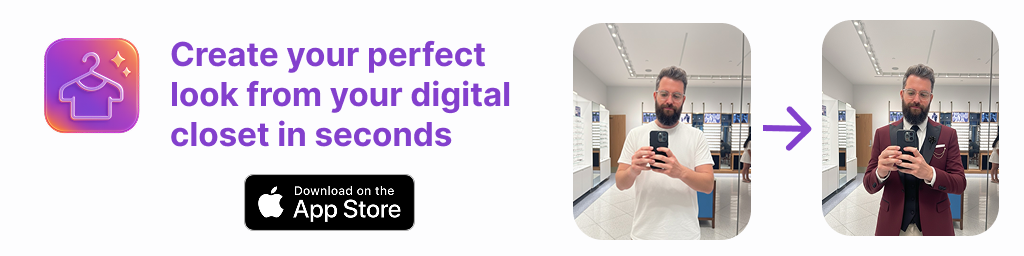
If you prefer doing this on iOS with a digital wardrobe and realistic virtual try-on, apps like Outfit Maker can help you catalog items and preview combinations while keeping your planning process consistent.