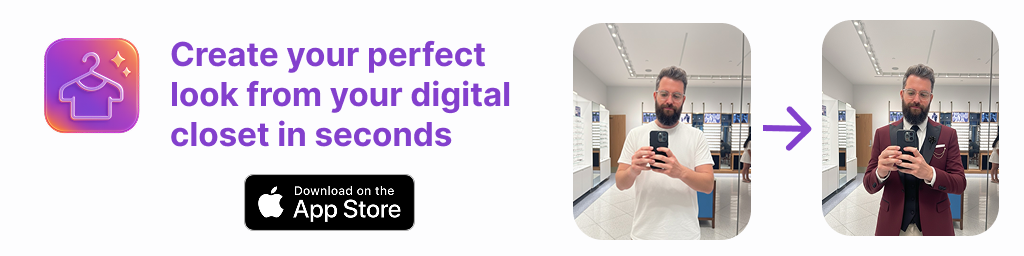
An outfit ideas app can do far more than spit out random looks—it can translate your real closet, calendar, and climate into reliable daily outfits. Whether you’re aiming to get dressed faster, wear more of what you own, or experiment with new aesthetics without buying more, the right setup and workflow will multiply your style options. This guide shows you how to evaluate features, structure your wardrobe data, and build repeatable routines that turn inspiration into outfits you’ll actually wear.
What Is an Outfit Ideas App?
An outfit ideas app is a mobile tool that catalogs your wardrobe, combines items into outfits, and suggests looks based on your preferences, weather, and events. The best apps layer in AI to simulate try-ons, understand color harmony, and learn from your likes and dislikes. Think of it as a personal stylist that also knows your closet and your calendar.
Choosing an Outfit Ideas App: Core Features That Matter
- Smart wardrobe catalog: Add items with clean photos, remove backgrounds, and record details like color, fabric, fit notes, and care.
- Flexible tags and filters: Tag by category (top, bottom, outerwear), subcategory (blazer, knit, denim), dress code, season, and vibe (minimal, romantic, street).
- AI outfit generation: Combine your items intelligently, not just randomly. Look for tools that respect your color palette and proportions.
- Virtual try-on: See how pieces drape and coordinate before committing. Realistic try-on saves time and reduces decision fatigue.
- Calendar and weather: Suggest looks for upcoming events and adjust for temperature, precipitation, and activity level.
- Look templates: Define repeatable formulas (e.g., blazer + tee + straight jeans + loafers) to guide the generator.
- Analytics: Track cost-per-wear, frequency, and which items anchor your favorite outfits.
- Collaboration: Share looks with friends or a stylist for feedback, privately or via a link.
A Weekly Workflow That Turns Ideas into Outfits
- Snapshot your week: Check your calendar for meetings, travel, workouts, and social events. Note dress codes and comfort needs.
- Review the weather: Capture the high/low temps and precipitation chances for the days you care about.
- Set constraints: Pick 10–15 items to spotlight this week (2 outer layers, 3 tops, 2 bottoms, 2 shoes, 1 bag, 2 wild cards). Constraints spark creativity.
- Run templates: Use 2–3 formulas that fit your lifestyle. Example: “Polished Casual,” “Creative Office,” “Errand-Ready Athleisure.”
- Generate and prune: Use the outfit ideas app to create 15–20 options, then quickly eliminate anything that feels off for fit, weather, or formality.
- Try-on check: Virtually test 3–5 outfits that you’re unsure about. Confirm proportions (jacket length, trouser width) and color balance.
- Schedule looks: Assign outfits to days. Leave a flexible backup outfit for unexpected plans or weather shifts.
Pro tip: A good generator is a creativity partner, not the final say. Edit ruthlessly and keep what you love.
Tagging That Actually Improves Recommendations
Most “bad” outfit suggestions come from messy or incomplete tagging. Use a concise, consistent taxonomy that covers silhouettes, dress codes, and color families. Start with these:
- Category: top, bottom, dress, outerwear, footwear, bag, accessory
- Silhouette: slim, straight, relaxed, oversized, cropped, wide-leg, A-line
- Color family: cool-neutral (gray, black), warm-neutral (camel, cream), accent (red, cobalt, emerald)
- Seasonality: hot, mild, cold, rainy, transitional
- Dress code: casual, smart casual, business casual, formal
- Vibe: minimal, classic, sporty, edgy, romantic, street
Keep tags short and standardized. Here’s a simple structure you can mirror when adding items:
{
  "item": "navy blazer",
  "category": "outerwear",
  "silhouette": "tailored",
  "color_family": "cool-neutral",
  "seasonality": ["mild", "cold", "transitional"],
  "dress_code": ["smart casual", "business casual"],
  "vibe": ["classic", "minimal"],
  "notes": "slightly cropped; pairs well with straight jeans and loafers"
}
Using AI to Generate and Evaluate Outfits
AI shines when you give it clean inputs: clear photos, consistent tags, and a few templates. Leverage it to:
- Balance color: Ask for complementary or analogous palettes from your existing items to avoid jarring mixes.
- Respect proportions: Prompt for rules like “voluminous top requires slim bottom” or “long outer layer over cropped tee.”
- Resolve edge cases: For tricky pieces (wide-leg trousers, tall boots), generate 3–5 outfits varying lengths and textures, then compare via virtual try-on.
- Personalize from feedback: “More monochrome,” “less sporty,” or “elevate with one tailored piece.” The best models learn quickly.
Mini Capsules: Turn Constraints into Creativity
A micro-capsule (10 pieces) can create a week of looks without decision fatigue. Use your outfit ideas app to map combinations and spot coverage gaps.
| Piece | Role | Notes |
|---|---|---|
| Navy blazer | Third layer | Elevates casual bases |
| Trench coat | Outerwear | Rain + polish |
| White tee | Base top | Crisp, minimal |
| Striped knit | Pattern top | Visual interest |
| Straight jeans | Casual bottom | Versatile silhouette |
| Black trousers | Dress bottom | Work-to-dinner |
| Loafers | Shoe 1 | Smart casual staple |
| White sneakers | Shoe 2 | Comfort + clean lines |
| Structured tote | Bag | Office-ready |
| Crossbody bag | Bag | Hands-free errands |
With 10 pieces, aim for 12–15 outfits. Use your app’s generator to create variations, then pin 7 for the week.
Weather, Location, and Calendar: The Practical Layer
Good style is context-aware. Match outfits to situations and conditions:
- Temperature bands: Define your personal thresholds (e.g., under 45°F = coat + knit; 60–70°F = light layer + breathable base).
- Precipitation logic: Automatically swap suede for leather, add a hood or trench, and choose hem lengths that avoid splash-back.
- Activity-aware picks: Commutes, presentations, and after-work plans often need different footwear or layers. Schedule buffer pieces.
Sharing and Feedback: Make Your Ideas Smarter
Sharing looks with friends or a trusted stylist can sharpen your sense of proportion and polish. Keep it constructive:
- Ask specific questions: “Does the blazer length work with the trouser rise?” gets better feedback than “Thoughts?”
- Compare options: Send A/B variations (sneaker vs. loafer) to keep critiques focused.
- Capture learnings: Convert recurrent advice into tags or rules (e.g., “prefer cropped tops with wide-leg pants”).
Privacy and Photo Hygiene
Catalog only what you’re comfortable storing. Use background removal, avoid sensitive mirrors or locations, and check app settings for private vs. public sharing. Rename items in a way that’s helpful but not personally identifying if you plan to share links.
Troubleshooting: Why Your Outfit Feed Feels Off
- Under-tagging: Missing dress code or silhouette tags create mismatches. Add the 6 core tag types listed above.
- Unbalanced inventory: Ten statement tops and one neutral bottom will force odd combinations. Add or highlight foundational pieces.
- Footwear gaps: Shoes anchor the vibe. Ensure you have at least one dressy, one casual, and one weatherproof option tagged.
- Ignoring proportion rules: Encode them as templates or notes (“long over lean,” “cropped over wide”).
- Duplicates and near-duplicates: Merge or archive items that confuse the algorithm.
Feature Checklist: What to Look for in an Outfit Ideas App
| Feature | Why It Matters | Pro Tip |
|---|---|---|
| Background removal | Cleaner images = better pairing and try-on | Use even lighting when shooting items |
| Custom tags | Precision filtering improves suggestions | Limit to 6–8 consistent tag types |
| AI outfit generator | Speed + creativity with your real closet | Seed it with 2–3 formulas you love |
| Virtual try-on | Validate fit and proportion remotely | Compare 2–3 silhouettes side-by-side |
| Calendar + weather | Context-aware picks you can trust | Block your week on Sunday night |
| Share + feedback | External eyes improve styling | Ask one specific question per look |
| Wear tracking | See what you actually use | Retire low-performers or restyle them |
FAQs About Using an Outfit Ideas App
How many items should I upload to start?
Begin with 25–40 high-rotation pieces. That’s enough to generate variety without overwhelming the system. Add seasonal or statement items later.
Do I need pro-level photos?
No. Even lighting and simple backgrounds go a long way. Most apps remove backgrounds automatically and crop for you.
Can the app replace real try-ons?
Virtual try-on is a filter, not a replacement. Use it to narrow choices, then confirm with a quick mirror check for key looks or events.
How do I get more interesting outfits, not just basics?
Add one statement piece to each template (pattern knit, standout shoe, or color-pop bag). Tag it as “accent” to encourage the AI to use it sparingly.
What if my style changes?
Update your vibe tags and templates, archive pieces that no longer serve you, and favorite 10 new reference looks. The generator will adjust quickly.
Putting It All Together
An outfit ideas app becomes powerful when you pair solid data (clear photos, consistent tags) with repeatable workflows (weekly planning, templates, and feedback loops). Start small, iterate weekly, and let the tool surface combinations you’d never think of under time pressure. If you’re on iOS and want an option that combines AI outfit generation, realistic try-on, and a smart closet planner, Outfit Maker is built for exactly this workflow.