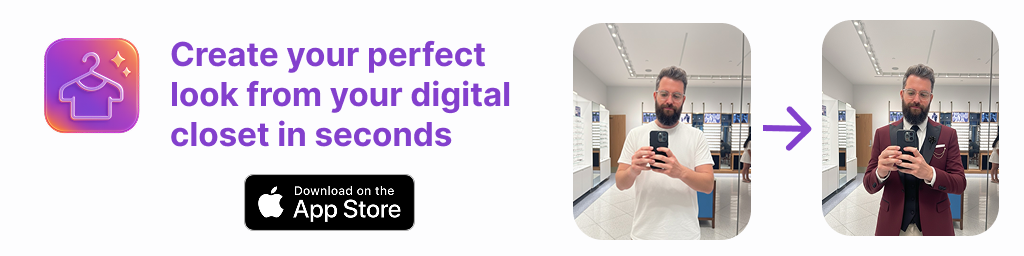
College life creates a unique clothing challenge. You may need an outfit for an early lecture, a presentation, a campus job, the gym, dinner with friends, and a weekend event—all while working with limited closet space and a student budget. An outfit combination maker for college students can make those decisions simpler by helping you see more possible looks from the clothes you already own.
Rather than standing in front of a crowded dorm closet every morning, you can organize your wardrobe, test outfit ideas, and save combinations that work for different parts of campus life. The goal is not to buy a completely new wardrobe. It is to make your current jeans, tops, jackets, shoes, and accessories easier to use together.
This guide explains how to build a practical college outfit system, what to include in a digital wardrobe, and how to create combinations that feel appropriate for your schedule and personal style.
Why College Students Need an Outfit Combination System
Many students have fewer clothing options than they think. The issue is often not the number of garments; it is the difficulty of remembering what pairs well with what. A shirt that seems too specific on its hanger may work with multiple bottoms, layers, and shoes. Likewise, a favorite pair of trousers can look entirely different when styled for class, work, or a social event.
An outfit combination system gives each item more purpose. It can also reduce rushed decisions, repeated outfits that do not feel intentional, and unnecessary shopping prompted by the thought that you have “nothing to wear.”
- Save time: Review possible looks before a busy week begins.
- Use a smaller wardrobe well: Find multiple ways to wear staple items.
- Dress for changing schedules: Plan for lectures, labs, interviews, and evenings out.
- Pack smarter: Bring fewer, more versatile items when returning home or traveling.
- Build personal style: Notice the silhouettes, colors, and details you repeatedly choose.
Start With a Realistic College Wardrobe Inventory
A useful outfit combination maker starts with an accurate view of your wardrobe. You do not have to catalog every sock or old T-shirt immediately. Begin with the items you wear most often during the current season. Photograph or list them in clear categories so that outfit planning stays manageable.
Essential categories to add first
| Category | Examples | Why It Matters |
|---|---|---|
| Tops | T-shirts, sweaters, button-downs, tanks | They set the outfit’s color and level of formality. |
| Bottoms | Jeans, trousers, skirts, shorts, leggings | A few reliable bottoms can support many looks. |
| Layers | Hoodies, cardigans, blazers, jackets | Useful for cold lecture halls and changing weather. |
| Shoes | Sneakers, boots, loafers, flats | They affect comfort, practicality, and overall mood. |
| Accessories | Bags, belts, jewelry, caps | Small details can make repeated basics feel fresh. |
When adding items, use photos with a plain background and good lighting when possible. Include simple labels such as color, season, material, and formality. For example, label a pair of black trousers as “black,” “fall/winter,” “smart casual,” and “presentation.” These notes make it easier to locate suitable pieces later.
Build Around Campus-Ready Outfit Formulas
You do not need to invent a completely different look every day. Outfit formulas are repeatable frameworks that make styling faster while leaving room for variation. Think of them as reliable starting points, not strict rules.
Five versatile college outfit formulas
- Class day: relaxed top + straight-leg jeans + comfortable sneakers + light layer.
- Library session: knit or sweatshirt + comfortable bottoms + closed-toe shoes + tote bag.
- Campus job: neat top + trousers or dark jeans + structured layer + polished shoes.
- Presentation: simple neutral base + blazer, cardigan, or overshirt + clean footwear.
- Weekend plans: favorite statement top + dependable bottom + jacket + accessory.
Once you identify formulas that suit your lifestyle, create variations by changing one or two elements. For example, a white T-shirt, blue jeans, and sneakers may be your class-day base. Add a cardigan for a quieter, layered look, or switch to a leather-style jacket and jewelry for an evening plan. This approach helps a compact wardrobe produce more combinations without becoming complicated.
A Concrete Example: Planning One Week of College Outfits
Imagine a student named Maya has the following core pieces: blue straight-leg jeans, black trousers, a black skirt, white sneakers, ankle boots, a gray hoodie, a white T-shirt, a striped long-sleeve top, a green sweater, a denim jacket, and a black cardigan.
Instead of treating these as eleven separate items, Maya can build a week around her actual schedule:
- Monday lecture: white T-shirt, blue jeans, denim jacket, and white sneakers.
- Tuesday library study group: striped top, blue jeans, black cardigan, and sneakers.
- Wednesday campus job: green sweater, black trousers, and ankle boots.
- Thursday presentation: white T-shirt, black trousers, black cardigan, and clean sneakers or boots.
- Friday dinner: striped top, black skirt, denim jacket, and ankle boots.
This plan repeats the same shoes, outerwear, and core bottoms strategically. That is a strength, not a limitation. Repeating reliable items reduces decision fatigue and helps you learn which combinations feel most comfortable and authentic.
Use Color to Make More Combinations Work
Color coordination does not require a perfectly neutral wardrobe. It simply helps to identify a few colors that connect your pieces. A practical student wardrobe often has a base palette, such as black, navy, denim blue, gray, cream, or brown, plus two or three accent colors.
Try the three-color guideline when you are unsure: choose one main color, one supporting neutral, and one smaller accent. For example, black trousers, a cream sweater, and a green bag create a simple balanced look. Denim, white, and red can also work when the red appears in a small amount, such as a cap, scarf, or shoe detail.
A useful outfit does not need every item to match exactly. It needs the pieces to look intentional together and fit the demands of your day.
Plan for Comfort, Weather, and Laundry
College outfit planning is not only about appearance. The best combination can fail if it is uncomfortable for a long walk across campus, too warm for a crowded classroom, or unavailable because it is in the laundry basket. Include these practical details when saving or selecting looks.
- Choose shoes you can comfortably wear for your expected walking distance.
- Keep a layer available for air-conditioned lecture rooms or sudden temperature changes.
- Avoid scheduling the same frequently washed item on back-to-back days.
- Reserve more polished pieces for presentations, interviews, and events that need them.
- Consider whether you need pockets, a weather-resistant jacket, or a bag that fits class materials.
A simple weekly plan should be flexible. If rain is forecast, replace canvas shoes with boots or another more suitable option. If an unexpected group meeting appears, use a saved smart-casual combination instead of starting from zero.
Virtual Styling: What It Can and Cannot Tell You
Digital wardrobe tools and virtual try-on features can be helpful for visualizing an outfit combination before you get dressed. They can make it easier to compare a blazer with two different tops, review a color pairing, or decide which saved look fits a particular occasion.
However, style visualization has limits. A virtual image should not be treated as an exact prediction of fit, garment sizing, fabric weight, transparency, stretch, comfort, or how an item moves during the day. Lighting, photo angles, and the quality of clothing images can also change how colors and proportions appear.
Use virtual outfit planning as a decision-support tool: narrow down options, identify combinations worth trying, and organize your ideas. Then check the outfit in real life before relying on it for an important event.
How to Keep Your Outfit Planner Useful All Semester
A wardrobe system only helps if it stays current. Set aside a few minutes at the beginning of a new season or after laundry day to remove items you no longer wear and add new favorites. You can also create labels that reflect your campus routine, such as “8 a.m. class,” “rainy day,” “presentation,” “work shift,” or “weekend.”
Save both successful and unsuccessful combinations. A note like “looks good but boots hurt after walking” is valuable information. Over time, your saved looks become a personal reference library based on your real routines rather than generic outfit inspiration.
Make More of What You Already Own
An outfit combination maker for college students works best when it supports realistic choices: clothes you own, activities you actually attend, and a budget that matters. Start small, use outfit formulas, and save combinations that make you feel prepared. After a few weeks, you may notice that your wardrobe feels larger simply because you can see it more clearly.
For students who want to organize clothing photos and explore combinations from their own garments, Outfit Maker’s digital closet guide offers a helpful starting point for building a more visual wardrobe-planning routine.