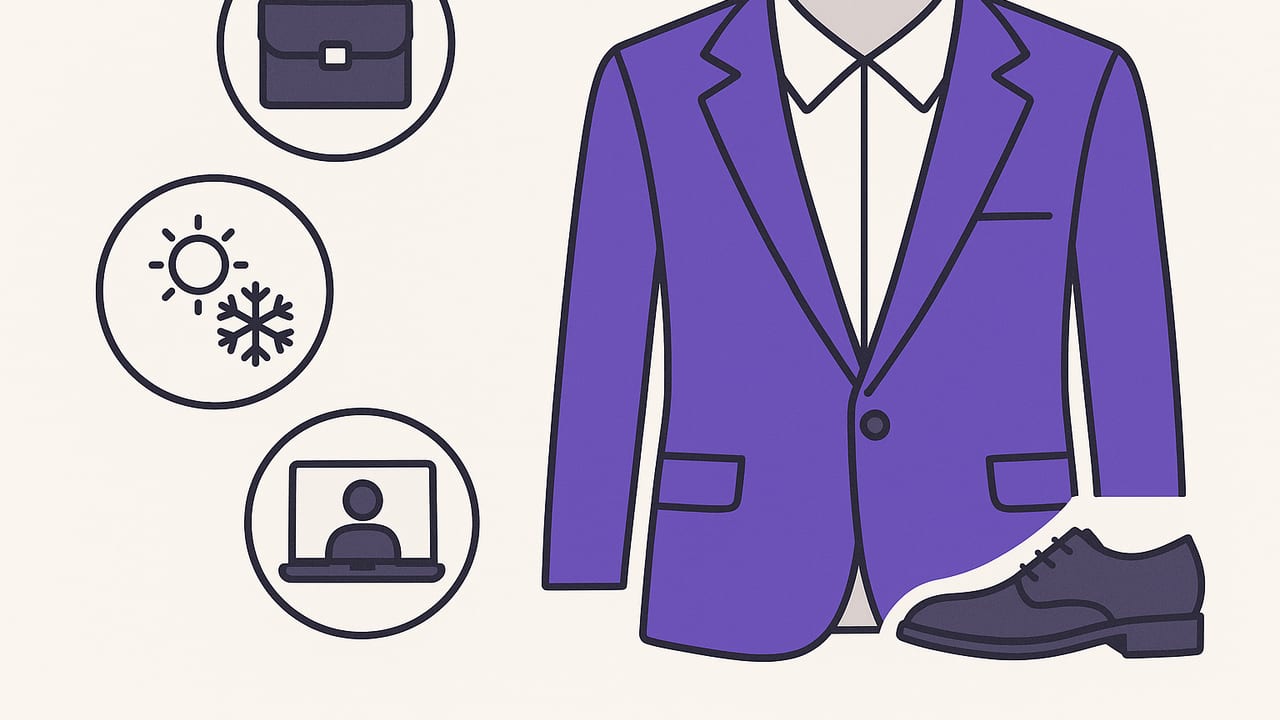
First impressions travel fast in interviews—often before you say a word. If you’re searching for practical, polished outfit ideas for job interview success, start with the role, the company’s culture, and the setting (in-person or video). From corporate boardrooms to startup stand-ups, the right outfit signals you’ve done your homework and respect the time on both sides. This guide breaks down interview attire by industry, season, and format, with color strategy, fabric picks, and a ready-to-use checklist so you can focus on what matters: your story and your skills.
A Quick Fit-to-Role Formula
- Research the dress code: Scan recent team photos, the careers page, or social profiles for visual cues.
- Dress one notch above daily wear: If the team is in jeans and tees, aim smart-casual. If it’s suits, choose the most refined version you own.
- Prioritize fit and condition: Tailored lines, pressed fabric, polished shoes. Quality signals reliability.
- Keep it quiet: Subtle patterns, muted accessories, clean silhouettes. Let your ideas be the loudest thing in the room.
Rule of thumb: Dress one step above the company’s everyday norm to show respect without looking out of place.
Outfit Ideas by Industry
Corporate: Finance, Law, Consulting
These environments skew formal and conservative. Your look should communicate precision and discretion.
- Suiting: Dark navy, charcoal, or deep gray suit; a lightweight wool or stretch wool blend drapes cleanly year-round.
- Tops: Crisp button-down in white or ice blue; silk or matte-satin shell under a blazer for a softer, professional tone.
- Shoes: Polished oxfords, derbies, or low-heel pumps/loafers in black or dark brown.
- Accessories: Minimal watch, slim belt, simple studs; avoid flashy logos. Neat portfolio or structured tote.
Pro tip: If unsure between navy and gray, choose navy—it reads approachable yet authoritative.
Tech and Startups
Expect a relaxed baseline. Aim for elevated smart-casual: competent, modern, not overdressed.
- Tops: Merino or fine-gauge crewneck, tidy button-down, or knit polo. Consider a lightweight blazer if leadership-level.
- Bottoms: Dark, well-fitted jeans (no distressing) or chinos. Tailored trousers for a product/lead role.
- Shoes: Clean leather sneakers, loafers, or chelsea boots. Keep colors neutral.
- Layering: Unstructured blazer, cardigan, or shacket in refined fabrics for polish without stiffness.
Pro tip: Swap a T-shirt for a knit polo to stay casual but camera- and conference-room ready.
Creative: Design, Media, Marketing
Creatives can showcase personality—within reason. Use texture, silhouette, or color as your signature.
- Tops: Statement blouse or structured shirt with subtle pattern; monochrome turtleneck in cooler months.
- Bottoms: Tailored trousers, culottes, or a midi skirt. Dark jeans if the culture skews casual.
- Outer layer: Relaxed blazer, chore jacket in premium twill, or minimalist leather jacket (if culture allows).
- Shoes: Sleek mules, loafers, or contemporary sneakers. Keep lines clean.
Pro tip: Choose one focal point—color-block blazer or sculptural accessory—and keep the rest pared back.
Healthcare: Clinics, Hospitals, Pharma
Cleanliness, practicality, and approachability matter. If not interviewing in scrubs, lean clinical-smart.
- Tops: Crisp blouse or button-down in white, blue, or soft pastels; avoid heavy fragrance.
- Bottoms: Tailored trousers or knee-length skirt; wrinkle-resistant fabrics are a plus.
- Shoes: Closed-toe flats or low heels with good grip; polished but comfortable enough for a facility tour.
- Outer layer: Neutral blazer or cardigan; skip anything that could shed fibers.
Pro tip: If you’ll tour sterile areas, confirm dress guidance and wear easily removable outerwear.
Retail and Hospitality
Customer-facing energy and brand alignment count. Mirror the store or venue’s vibe with a notch of refinement.
- Tops: Neat knit, collared shirt, or brand-adjacent aesthetic (e.g., tonal palette if the brand is minimalist).
- Bottoms: Dark jeans or trousers; skirt or dress at knee or below. Ensure freedom of movement.
- Shoes: Closed-toe, comfortable, non-slip where relevant; polished leather or clean sneakers if on-brand.
- Details: Subtle nods to brand identity via color or silhouette—avoid overt logos or merch unless requested.
Pro tip: Practice standing and walking in your outfit—these roles often involve time on your feet.
Season and Climate Adjustments
Warm Weather
- Fabrics: Breathable blends (cotton-linen, tropical wool, Tencel) resist wrinkles and keep you cool.
- Colors: Mid-tones hide perspiration better than very light or very dark hues.
- Construction: Unlined or half-lined blazers; short-sleeve knits instead of tees.
Cold Weather
- Layering: Thin thermal base layer under a shirt or knit; wool coat over a blazer.
- Footwear: Weatherproof leather; bring clean indoor shoes if conditions are slushy.
- Colors: Deep neutrals (navy, espresso, charcoal) look rich and winter-appropriate.
Rain and Humidity
- Outerwear: Trench or mac; compact umbrella. Avoid hoodies over blazers.
- Fabrics: Technical wool blends and wrinkle-resistant weaves hold shape after transit.
- Backup plan: Carry a spare shirt in a garment sleeve for emergencies.
Video Interview Outfit Tactics
- Camera-friendly colors: Mid-tone solids (slate, forest, teal, burgundy) render cleanly; avoid tiny checks or moiré-inducing patterns.
- Necklines and collars: Structured collars or crewnecks frame the face; hoodies read casual.
- Fit and fabric: Matte over shiny; shiny reflects glare. Ensure shoulders sit flat to avoid distortion.
- Full outfit: Wear proper bottoms—standing up happens.
- Environment: Test lighting and background; your outfit should contrast the wall slightly for separation.
Color and Pattern Strategy
Color communicates before you speak. Use it intentionally—especially for leadership roles or client-facing positions.
| Color | Message | Safe Pairings | Best For |
|---|---|---|---|
| Navy | Trustworthy, steady | White, light blue, camel | Corporate, tech leadership |
| Charcoal | Serious, analytical | White, slate, soft pink | Finance, law, consulting |
| Mid-gray | Neutral, adaptable | Black, navy, jewel tones | Most roles, video calls |
| Forest/Olive | Grounded, modern | Cream, navy, brown | Tech, creative, retail |
| Burgundy | Confident, warm | Gray, navy, taupe | Creative, client-facing |
Patterns: Stick to low-contrast stripes or micro-patterns. Loud prints can distract, particularly on camera. If you wear a pattern, let it be the only statement.
Shoes, Bags, and Grooming
- Shoes: Clean, polished, and quiet. Leather or refined vegan alternatives. Avoid worn soles.
- Bags: Slim brief, structured tote, or neat backpack if culture is casual. Keep contents organized.
- Jewelry: Minimal and silent—bracelets that clink can distract.
- Grooming: Neat hair, trimmed facial hair, understated makeup, neutral nails. Subtle or no fragrance.
What to Avoid—and Why
- Ill-fitting pieces: Pulling, pooling, or gaping reads unprepared.
- High-contrast loud prints: Distract from your messaging and can strobe on camera.
- Scuffed footwear or wrinkled fabrics: Small details undermine otherwise strong looks.
- Overt branding: Keep focus on you, not a logo.
- Excessive accessories: Visual noise competes with your words.
Night-Before Checklist
- Confirm dress code with recruiter if unsure; plan one step above daily wear.
- Lay out your outfit, press/steam, and lint-roll fabrics.
- Do a quick movement test: sit, stand, reach, walk.
- Polish shoes; pack spare hosiery or socks.
- Prepare a neat bag with copies of your resume, notepad, and pen.
- Check weather and transit time; pack umbrella or outer layer as needed.
- For video: test camera, lighting, sound, and frame your outfit against your background.
Sample Outfit Formulas That Work
| Scenario | Outfit Formula | Why It Works |
|---|---|---|
| Corporate panel (in-person) | Navy suit + white button-down + dark oxford or low-heel pump + leather belt | Classic, credible, fits conservative norms; navy softens while staying formal. |
| Tech PM (hybrid) | Unstructured blazer + knit polo + chinos or tailored denim + clean leather sneakers | Smart-casual signals leadership without stiffness; camera-friendly textures. |
| Creative strategy (video) | Monochrome knit + tailored trousers + minimal pendant or watch | Streamlined silhouette puts focus on your face and ideas on screen. |
| Healthcare admin (facility tour) | Light blouse + wrinkle-resistant trousers + low, closed-toe shoe + neutral blazer | Clean and approachable, practical for walking and varied temps. |
| Retail floor lead (in-person) | Brand-adjacent color knit + dark jeans/trousers + polished loafers | Reflects brand energy with professional finish and mobility. |
Final Thoughts
Great interview outfits are simple: align with the culture, elevate one step, and sweat the details. Choose breathable, well-pressed fabrics, keep colors intentional, and test your look in the exact setting—boardroom or Zoom. If you want to plan and preview combinations without the closet chaos, an AI wardrobe app like Outfit Maker can help you catalog pieces and visualize pairings before the big day.