When an outfit works, it is easy to forget exactly why. Maybe the proportions felt right, the colors went together, or the layers suited a particular kind of day. Saving favorite looks gives you a personal reference library, so you can repeat successful combinations instead of rebuilding an outfit from memory.
You do not need a huge wardrobe or a complicated system. Start with clothes you already own, record each combination clearly, and add just enough context to make it useful later. A saved look should help you answer practical questions: What did I wear together? Where did it work? Would I change anything next time?
What to record when you save an outfit
A photo can capture the overall effect, but it may not show every item clearly. Pair a visual reference with a short written description. Include the main garments and any details that affect how you would recreate the look, such as shoes, a belt, or an outer layer.
- Clothing items: Name the top, bottom, dress, or other key pieces.
- Finishing details: Add shoes, a bag, jewelry, or a layer if they complete the combination.
- Context: Note the occasion, season, or weather the look suits.
- Your verdict: Record what felt comfortable or what you might adjust.
Keep descriptions recognizable. “Blue shirt, charcoal trousers, white sneakers” is more useful than “casual look 4,” especially when you have several similar pieces. If you use a digital wardrobe, choose the matching catalog items when saving or documenting a combination. That connects the look to the clothes you actually own.
How to save favorite looks step by step
1. Capture the outfit while you remember it
Save a look soon after wearing it or trying it on. A quick mirror photo can be helpful, but take another image of details that are hard to see, such as a tucked hem, layered neckline, or shoe choice. If you prefer not to use photos, write down the pieces while they are still fresh in your mind.
Use a clear, consistent image where possible: similar lighting, a full-length view, and no distracting items in the frame. The purpose is to recognize the combination later, not to create a polished fashion shoot.
2. Identify each garment precisely
Write the item names in the same way you identify them in your closet. If you own several black tops, distinguish them with details such as “black ribbed tank” or “black long-sleeve blouse.” This small habit makes saved looks easier to search and reduces confusion when you want to recreate one.
For a digital closet, make sure the garment record is clear before attaching the look to it. If your catalog uses photos, choose images that help you tell similar items apart. A closet does not need to document every detail of a garment; it needs enough information for you to find the right piece.
3. Give the look a useful name
Choose a label based on how you are likely to look for the outfit. Names such as “office presentation,” “warm weekend,” or “rainy-day layers” are more descriptive than “favorite outfit.” You can still mark a look as a favorite, but a specific name makes it easier to remember its purpose.
Try not to add too many labels. A short name plus one or two relevant tags is usually easier to scan than a long string of keywords. Useful tags might include work, weekend, summer, or needs a jacket.
4. Add a note about why it worked
A saved look becomes more valuable when it includes your own observations. Perhaps the proportions felt balanced, the shoes were comfortable for walking, or the color combination suited an event. Record that in one sentence. If something did not work, note that too: “Good for indoors; add a warmer layer for the commute.”
These notes help you adapt the outfit rather than copy it blindly. They also make your saved collection personal: it reflects how you dress and what matters to you, not just a list of clothes.
5. Store it somewhere you will revisit
Use a notes app, a photo album, a spreadsheet, or a digital wardrobe tool—whichever fits your habits. Keep saved looks in one main place, and use a predictable naming system. If you spread images across camera rolls, messages, and several folders, finding a particular combination may take longer than planning a new one.
When using an app, check how it handles saved images and outfit details before building a large collection. Select a method that is simple to maintain and that lets you find looks by a detail you remember, such as occasion, season, or a garment.
A practical example: saving a work outfit
Imagine you wear a cream knit top, navy trousers, loafers, and a lightweight jacket to a day of meetings. Instead of saving only a mirror photo, record the combination as “Meeting day: cream knit and navy trousers.” Add a note: “Comfortable through the afternoon; jacket useful in cool rooms.” Tag it work and transitional weather.
Later, you can recreate the outfit or make a small variation. Swap the loafers for flats if you will be walking more, or replace the jacket with a warmer coat when the weather changes. The original saved look gives you a starting point, while the note helps you decide what to adjust. It does not mean every version will feel exactly the same: weather, activity, and the condition of the garments can change the experience.
Keep your saved looks organized, not overwhelming
A useful collection is one you can browse quickly. Begin by saving outfits you have actually worn or tried together and would consider wearing again. Add new combinations gradually rather than documenting every possible pairing in your closet.
Review the collection occasionally. Remove or update looks that depend on an item you no longer own, no longer enjoy wearing, or cannot find. If an outfit still appeals to you but one piece is unavailable, add a note about a suitable alternative instead of keeping an outdated record without explanation.
For seasonal changes, use broad labels such as warm weather or cold weather rather than creating many nearly identical folders. If you are preparing for a trip, a separate trip list can make it easier to see which saved combinations work together and what you plan to pack.
Use virtual try-on as a visual aid
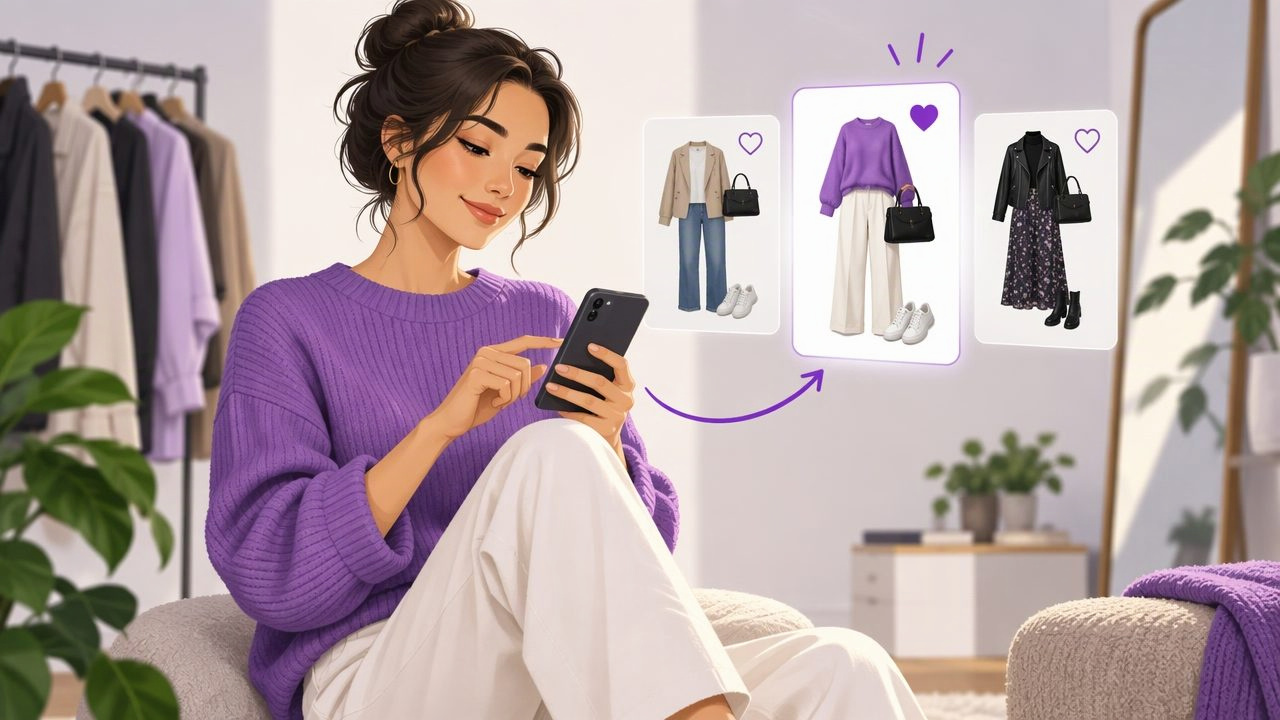
An AI outfit generator or virtual try-on tool can help you preview combinations from photos of your own garments. This can be useful when you want to compare colors or picture a top with a different pair of trousers without changing clothes each time. If the tool lets you save or revisit a combination, that visual record can sit alongside your written notes.
Keep the purpose of the preview in perspective. A generated image is a way to visualize styling, not a guarantee of exact fit, sizing, fabric drape, texture, or comfort. Photos and digital representations may not capture every detail of a garment or how it moves on your body. Use the preview to explore an idea, then rely on the real clothes and your own judgment when deciding whether the outfit works.
For a practical overview of cataloging garments in a digital closet, see Outfit Maker’s guide to building a digital closet.
Common mistakes when saving favorite outfits
- Saving only a vague photo: Add garment names so you can identify each piece later.
- Using generic titles: Include a context or occasion that you will recognize.
- Recording every idea: Prioritize combinations you would realistically wear.
- Forgetting limitations: Note when an outfit depends on specific weather, footwear, or an extra layer.
- Treating a preview as a fit test: Visual styling tools cannot confirm exact measurements or fabric behavior.
- Never reviewing the collection: Update looks when your wardrobe or preferences change.
Make saving looks part of your routine
After wearing an outfit you would repeat, take a moment to record its pieces, give it a searchable name, and add one useful note. When planning what to wear, browse those saved combinations first and adjust them for the day ahead. This simple habit turns favorite looks into a practical wardrobe resource—not a collection of images you rarely open.
The best system is the one you will keep using. Start with a handful of reliable outfits, keep the details clear, and let your saved looks grow as you discover combinations that suit your real life.