Travel packing gets complicated when every day seems to call for a different outfit. It is easy to bring extra clothes “just in case,” then find that some pieces do not work together or suit the plans you actually have. A personal styling app can make the process more deliberate by helping you plan outfits from garments you own before they go into your suitcase.
The goal is not to pack the fewest possible items at any cost. It is to choose clothes that fit your itinerary, work in more than one combination, and feel appropriate for the conditions. A digital closet and virtual try-on can help you visualize those combinations, but they cannot confirm exact fit, comfort, warmth, or fabric behavior. Use the app to organize your ideas, then use your own judgment to make the final packing decisions.
Start With the Trip, Not the Suitcase
Before selecting clothes, write down what the trip involves. Dates and destination matter, but so do the details of each day: walking, dinners, work meetings, outdoor activities, or time at a pool. Check a reliable forecast close to departure and consider likely changes in temperature, rain, and indoor air conditioning. A packing plan should reflect the trip you are taking, not an imagined version with a fresh outfit for every possibility.
Make a short list of outfit needs rather than packing one look for every calendar day. For example, a four-day city break might include:
- Three comfortable daytime looks for walking and sightseeing
- One outfit suitable for a nicer dinner
- One travel-day combination that can also work for a casual activity
- A weather layer and practical shoes, chosen for the forecast and itinerary
Some needs can be met by the same pieces. A top worn for sightseeing might also work under a jacket at dinner. That overlap is useful, but it should be intentional. If an item only works with one outfit, ask whether it earns its space in the bag.
Use Your Digital Closet to Find Useful Combinations
A digital wardrobe is a catalog of clothing you own, often organized with photos. When you can browse items without pulling everything from your closet, it is easier to notice which colors, layers, and shoe options can work together. Start with items that suit the season and activities, then build complete looks around them.
For each planned outfit, include the pieces that make it wearable: top, bottom, shoes, and any necessary layer or accessory. Do not count a combination as complete if it depends on shoes you have not considered or a jacket that is not in the packing pile. A smart closet organizer can make it easier to compare pieces, while a simple note or checklist can record the final choices.
Look for a small set of garments that combine in several ways. This does not mean every item needs to match every other item. Instead, identify a few reliable pairings. A neutral overshirt might work with two tops and two bottoms, while a patterned shirt may be best reserved for one planned look. The point is to make versatility visible rather than assume it.
Try a Concrete Packing Example
Imagine a four-day trip with lots of walking, mild daytime weather, and one dinner reservation. From your closet, you choose two bottoms, three tops, one light layer, one dinner-appropriate shirt, and two pairs of shoes. One pair is comfortable for long walks; the other is suitable for the reservation but still practical enough for the trip. The precise choices depend on your style, forecast, and plans.
Before packing, map the pieces to the days:
| Plan | Possible outfit combination | Why it earns a place |
|---|---|---|
| Travel day | Comfortable bottom, versatile top, walking shoes, light layer | Comfortable for transit and can be reused casually |
| Sightseeing day | First bottom, second top, walking shoes | Uses a different top without adding another bottom |
| Dinner | Second bottom, dinner shirt, alternate shoes, light layer | Creates a more polished look from mostly shared pieces |
| Flexible day | First bottom, third top, walking shoes | Leaves room to repeat a practical item in a fresh pairing |
This is a planning example, not a universal packing formula. If the forecast calls for rain, the itinerary includes a formal event, or you need specialized clothing, adjust the list. The key is that each item has a clear role and that the combinations have been checked before departure.
Use Virtual Try-On for Style Visualization
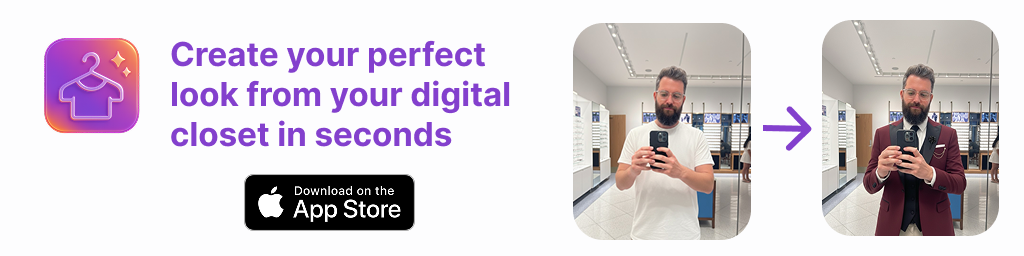
When an app offers AI try-on from photos, use it to preview how selected garments might look together on your image. This can help compare outfit ideas without changing clothes repeatedly. You might test whether a particular top feels balanced with a chosen bottom, or compare two possible layers for the same base outfit. Saving a few combinations also gives you a visual reference while finishing your packing list.
Keep the limits in mind: a preview is a visualization, not a fitting room. It cannot reliably tell you whether a garment will fit, feel comfortable after hours of walking, stay cool in heat, resist wrinkles, or perform well in rain. Photos and generated previews may not represent exact color, drape, texture, or proportions. Check the real garment, its care needs, and your experience wearing it before you rely on it for a trip.
Make the Packing List Match the Outfit Plan
After choosing outfits, turn the plan into a list of unique items. If one pair of trousers appears in three combinations, list it once—not three times. This helps show where outfits reuse pieces and where the plan may depend too heavily on one item. Add essentials that an outfit image might not make obvious, such as sleepwear, underwear, socks, weather protection, or activity-specific gear.
Then check each item against four questions:
- Does it suit the itinerary? A garment that looks good in a planned combination may still be impractical for the activity.
- Can I wear it comfortably? Consider fit, walking, sitting, layering, and the expected temperature.
- Does it work with more than one piece? Rewear can increase flexibility, provided the combinations are comfortable and appropriate.
- Is it worth the space? Consider its role, care requirements, and whether another item already covers the same need.
Finally, compare your outfit plan with your actual bag. Some pieces may need more room than expected, and delicate or easily wrinkled clothes may require a different packing approach. A visual wardrobe plan helps with selection; it does not replace practical packing techniques or luggage limits.
Plan for Flexibility Without Overpacking
A useful travel wardrobe leaves a little room for real life. Weather can change, plans can shift, and a favorite outfit may need another wear. Rather than packing several speculative backups, consider one adaptable layer or an alternate combination using items already on your list. If an activity requires a specific garment, include it; flexibility should not mean leaving essentials behind.
It also helps to distinguish “different” from “necessary.” You may be able to create several visually distinct outfits by changing a top, layer, or accessory while repeating a bottom. On the other hand, a special event or outdoor activity may genuinely require a separate item. Use your itinerary and comfort as the deciding factors instead of a rigid rule about how many times clothes can be worn.
Save the Plan for Easier Future Trips
Once the outfits are settled, save the combinations or keep a simple list by trip type, such as a warm-weather weekend or a work trip with casual evenings. After returning, note what you actually wore, what stayed unused, and what was missing. That record can improve your next plan without assuming every trip will be the same.
For another trip, begin with the earlier plan as a reference, not a template. Recheck the weather and activities, then swap pieces to fit the new context. A saved look can remind you that clothes you already own work well together, while a fresh review helps avoid packing an item simply because it appeared in a previous list.
Make the App Part of a Practical Routine
For smarter travel packing with a personal styling app, focus on three useful tasks: catalog the clothes you might take, preview combinations, and save a short list of complete outfits. Keep separate checks for fit, fabric, comfort, and weather because visual tools cannot settle those questions. This approach makes the app a planning aid rather than a substitute for judgment.
If you want to explore this kind of trip planning, Outfit Maker offers a guide to planning travel outfits using clothes in a digital closet. The most effective packing plan is still the one that reflects your own wardrobe, itinerary, and comfort—and that you can realistically wear once you arrive.