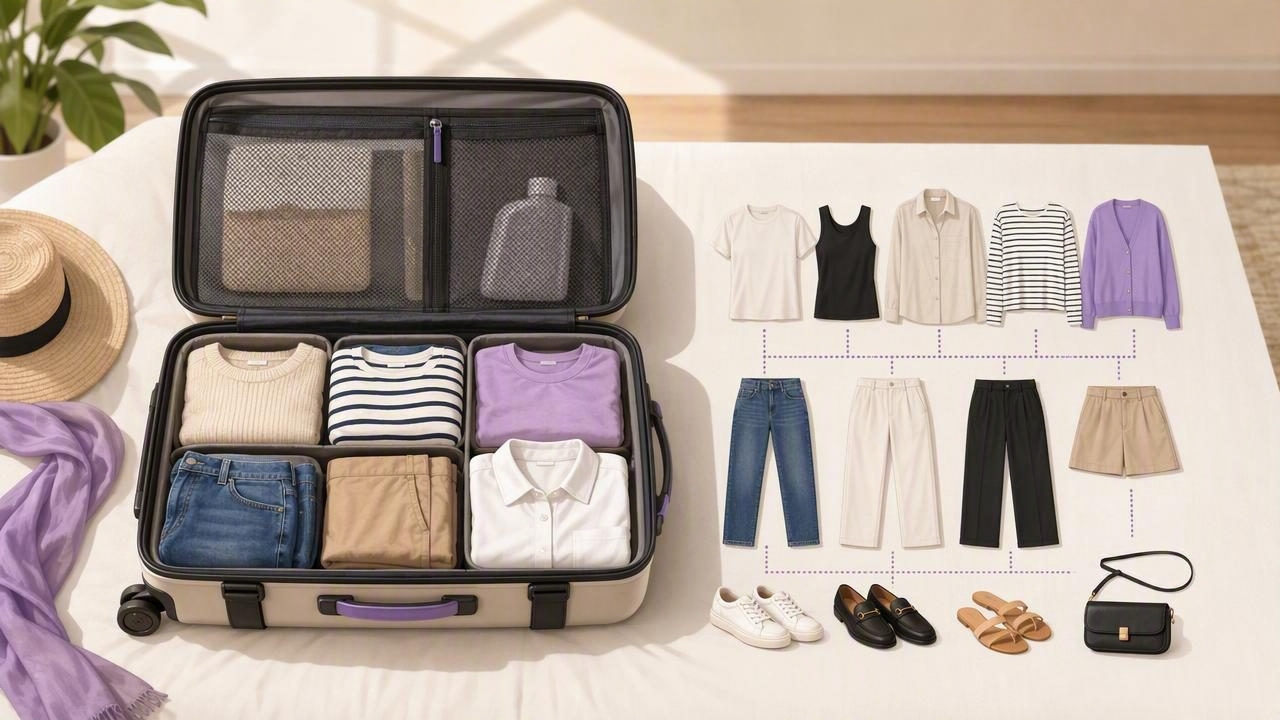
Learning how to pack outfits for a trip can make travel preparation far less stressful. Instead of throwing in extra clothes “just in case,” you can build a small, flexible selection of outfits that suits your destination, itinerary, weather, and personal style.
The goal is not to pack the fewest possible items. It is to pack clothing that works together, covers your real plans, and gives you enough options to feel comfortable. A well-planned suitcase can reduce decision fatigue during the trip while helping you avoid unworn clothes taking up valuable space.
This guide walks through a practical outfit-packing process, including a concrete seven-day example, a simple planning table, and realistic limits to keep in mind.
Start With the Trip, Not the Clothes
The biggest packing mistake is choosing garments before defining what the trip actually requires. A beach holiday, city break, business trip, hiking weekend, and family visit all call for different outfit priorities.
Before opening your closet, write down the essentials:
- Trip length: Count full days, travel days, and evenings.
- Destination weather: Check average temperatures, rain probability, wind, and expected temperature changes.
- Activities: List planned dinners, tours, workouts, work meetings, beach time, or outdoor activities.
- Laundry access: Consider whether you can wash or rewear items.
- Dress expectations: Include cultural norms, venue dress codes, and any special events.
- Luggage limits: Account for carry-on dimensions, weight restrictions, and the number of bags you want to manage.
This short planning step gives every item in your bag a purpose. It also helps you identify situations that need distinct clothing, such as a formal dinner or a rainy walking day, without packing an entire separate wardrobe for each activity.
Use an Outfit-First Packing Method
A reliable way to pack efficiently is to plan outfits first and individual garments second. Rather than asking, “What tops should I bring?” ask, “What will I wear on Monday afternoon, Tuesday evening, and Wednesday while traveling?”
Once you have an outline of outfits, look for repeated pieces. One pair of trousers may work for a museum day, a casual dinner, and the flight home. A lightweight jacket can finish several looks while providing practical warmth.
This method prevents a common problem: packing many attractive individual items that do not create enough complete combinations.
Build Around a Small Color Palette
Choose two or three neutral colors that naturally work together, then add one or two accent colors if you enjoy color. For example:
- Neutrals: navy, cream, and tan
- Accent colors: soft red and light blue
- Metal choice: gold or silver accessories that work across most outfits
A limited palette does not mean every outfit must look identical. It simply makes mixing easier. A navy trouser can pair with a cream shirt, striped knit, red top, or light-blue blouse. Coordinated shoes and outerwear extend that flexibility further.
A Practical Formula for Packing Trip Outfits
For a typical five- to seven-day trip with casual sightseeing and a few evening plans, start with a flexible formula. Adjust it for your climate, activities, and laundry situation.
| Category | Suggested Starting Point | Purpose |
|---|---|---|
| Tops | 4–6 | Provides variety while pairing with the same bottoms. |
| Bottoms | 2–3 | Choose options that work with every top where possible. |
| Layering piece | 1–2 | Cardigan, overshirt, blazer, fleece, or light jacket. |
| Dress or one-piece outfit | 0–2 | Useful for easy day-to-evening dressing if it suits your plans. |
| Shoes | 2–3 pairs | Usually a walking pair, a smarter pair, and activity-specific footwear. |
| Outerwear | 1 | Select for the forecast and wear the bulkiest option in transit. |
| Accessories | A small edited set | Changes the look of repeat outfits without adding much bulk. |
Think of this as a starting point rather than a strict rule. A ski trip needs specialist gear. A warm-weather beach holiday may require more swimwear and fewer layers. A business trip may need additional polished outfits. The best packing list is always shaped by the actual itinerary.
Example: Packing Outfits for a Seven-Day City Trip
Imagine a seven-day city trip with mild daytime temperatures, cooler evenings, lots of walking, one nicer dinner, and no planned laundry. The traveler prefers comfortable, polished casual outfits in navy, cream, tan, and red.
They could pack:
- Two bottoms: dark straight-leg jeans and tan wide-leg trousers
- One optional third bottom: navy midi skirt or comfortable black trousers
- Five tops: cream T-shirt, striped long-sleeve top, red knit, white button-up shirt, and navy sleeveless top
- Two layers: lightweight tan trench and navy cardigan
- One versatile dress: a simple navy midi dress
- Two shoe pairs: supportive white sneakers and low-heeled ankle boots
- One compact scarf, small crossbody bag, belt, and simple jewelry
Those pieces can create several outfits without every day looking the same:
- Travel day: jeans, cream T-shirt, cardigan, sneakers, and trench.
- Sightseeing: tan trousers, striped top, sneakers, and scarf.
- Museum and café: jeans, white shirt, boots, and trench.
- Long walking day: jeans, navy sleeveless top, cardigan, and sneakers.
- Casual dinner: tan trousers, red knit, boots, and jewelry.
- Dressier evening: navy dress, trench, boots, and scarf.
- Return journey: jeans, cream T-shirt or striped top, cardigan, and sneakers.
Notice that the jeans, trousers, cardigan, trench, sneakers, and boots repeat. Repetition is not a packing failure. It is what makes a travel wardrobe compact and useful.
Plan for Layers Instead of Packing “Just in Case” Clothes
Weather uncertainty often leads to overpacking. Instead of adding a separate outfit for every possible temperature, use layers that can be added or removed.
For cooler or changeable weather, a base layer, mid-layer, and outer layer usually provide more flexibility than several bulky jumpers. For example, a T-shirt, cardigan, and lightweight waterproof jacket can work across a wider range of conditions than a single heavy sweater.
When choosing outerwear, prioritize the item you are most likely to need every day. If rain is likely, a water-resistant layer may be more valuable than an extra fashion jacket. If evenings will be chilly, bring a layer that works with both casual and slightly dressier outfits.
Choose Shoes With Extra Care
Shoes are among the heaviest and least flexible items in a suitcase. They can also make or break a trip if they are uncomfortable. Start with the footwear required for your most demanding activity, such as walking, hiking, formal events, or beach use.
For many trips, two pairs are enough: a comfortable pair for long walking days and a second pair that feels more polished or suits a specific activity. Bring a third pair only when the itinerary clearly requires it.
Do not use a trip to break in new shoes. Even stylish footwear can become impractical after hours of walking on unfamiliar streets, through airports, or on uneven surfaces.
Make a Packing List by Outfit, Then Check Each Item
After you choose your outfits, make a final list and review every garment. Ask these questions:
- Can I wear this item with at least two other pieces?
- Does it fit the weather and planned activities?
- Would I choose it over a similar item already packed?
- Does it need special shoes, underwear, or care that I have not included?
- Am I packing it because I genuinely expect to wear it, or because I feel uncertain?
If an item only works with one outfit and does not serve a special occasion, it may not earn its space. This is especially useful when packing for a carry-on-only trip.
Use Photos to Test Outfit Combinations
Trying on outfits before traveling can reveal issues that are easy to miss on a hanger. You may discover that two items have slightly different shades, a layer feels too bulky, or a shoe changes the formality of the outfit more than expected.
Take quick photos of complete looks, including shoes and outerwear. This creates a visual reference for the trip and helps you remember combinations when you are tired, rushed, or working from a hotel room with limited space.
A digital closet can also make this easier by keeping photos of your garments and planned looks together. If you want to organize clothing photos and compare combinations before packing, Outfit Maker’s travel outfit planning guide explains how a visual wardrobe approach can support trip preparation.
Remember the Limits of Outfit Planning Tools
Photos, packing lists, and virtual outfit visualization can help you assess color coordination, proportions, and overall style direction. However, they cannot reliably replace wearing an outfit in real travel conditions.
They may not fully predict:
- Exact fit after hours of walking or sitting on a flight
- How a fabric feels in humidity, rain, wind, or heat
- Whether shoes will remain comfortable over long distances
- How much space a garment takes in your luggage
- Unexpected itinerary changes or local weather shifts
Use planning tools as a way to make more informed choices, then apply practical judgment. Check the forecast close to departure, try key outfits on in person, and keep one adaptable layer or accessory for reasonable changes in plans.
Final Checklist Before You Zip Your Suitcase
- Every planned activity has at least one suitable outfit.
- Your tops and bottoms create multiple combinations.
- Your shoes are comfortable and appropriate for the itinerary.
- You have layers for likely temperature changes.
- Your most versatile pieces are easy to rewear.
- You have removed duplicate “maybe” items.
- You have packed underwear, sleepwear, toiletries, and any activity-specific essentials.
When you pack outfits for a trip with a clear plan, you gain more than extra suitcase space. You arrive with clothing that fits your schedule, works together, and lets you spend less time deciding what to wear. Start with your itinerary, build repeatable combinations, and pack for the trip you are actually taking—not every possible version of it.