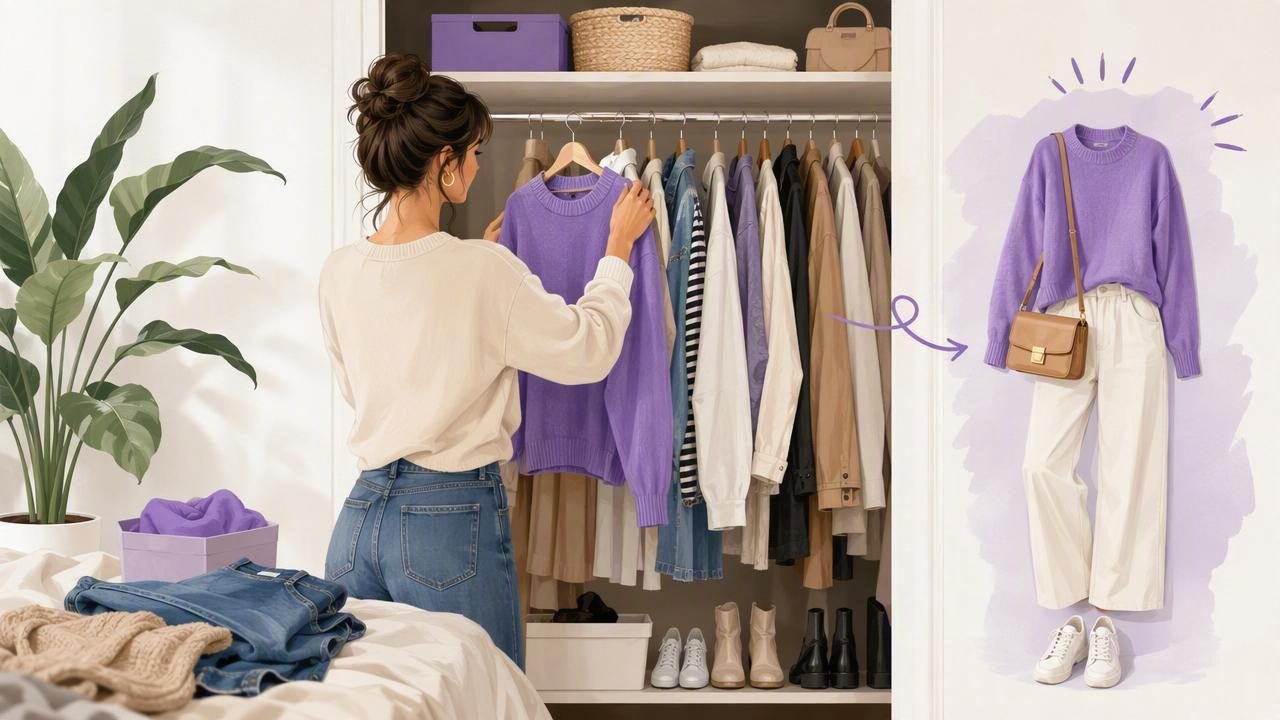
If you regularly feel like you have nothing to wear despite a full closet, forgotten clothing may be the real issue. Many wardrobes contain pieces that are technically owned but rarely seen: sweaters tucked behind hanging dresses, shoes in unlabeled boxes, special-occasion items pushed to the back, and tops that no longer match the way you usually get dressed.
Learning how to find forgotten closet items can make your wardrobe feel larger without buying anything new. It also helps you identify what you genuinely enjoy wearing, what needs tailoring or repair, and what is ready to donate. With a simple review process, a few organization habits, and digital wardrobe tools, you can bring overlooked pieces back into your daily outfit rotation.
Why Clothes Get Forgotten in the First Place
Forgotten clothing is not always a sign of poor shopping decisions. Most people lose track of items because their closets are designed around storage rather than visibility. When garments are crowded, stacked too high, or separated from the rest of an outfit, they become easy to overlook.
Common reasons clothes disappear from your style routine include:
- Seasonal storage: Clothing packed away for months is easy to forget when the season changes.
- Visual clutter: A crowded rail or overflowing drawer makes individual pieces hard to notice.
- Changing routines: A former office outfit may be forgotten after changing jobs or working remotely.
- Unclear styling options: You may like a piece but not know what to wear with it.
- Hidden repair needs: A missing button, stain, or hem issue can quietly remove an item from rotation.
- Duplicate purchases: Buying similar items can cause older versions to fade into the background.
The goal is not to wear every single item you own. Instead, the goal is to make conscious decisions about each piece so your closet reflects your real life and personal style.
Start With a Closet Reset, Not a Shopping List
The quickest way to rediscover your wardrobe is to pause new purchases temporarily. Shopping before reviewing what you own often leads to more duplicates and even less visibility. Set aside an hour or two, choose a comfortable space, and work through one category at a time.
A category-by-category reset feels more manageable than emptying an entire closet at once. Begin with a group that is easy to sort, such as T-shirts, jeans, shoes, or knitwear. Pull everything out where you can see it clearly.
Use the Four-Pile Method
As you review each item, sort it into four practical groups:
- Wear now: Fits, suits your current lifestyle, and can be styled easily.
- Repair or alter: Worth keeping, but needs a small fix before wearing.
- Store seasonally: Useful, but not appropriate for the current weather.
- Release: Does not fit, no longer suits your style, or has not been useful for a long time.
This approach prevents the common mistake of returning everything to the same place without learning anything. It also gives you a practical to-do list: mend a jacket, dry-clean a dress, replace a shoe heel, or donate items that no longer serve you.
Look in the Places Forgotten Items Usually Hide
When figuring out how to find forgotten closet items, search beyond the most visible hanging rail. The least accessible areas are often where wardrobe gems are hiding.
| Closet Area | What Often Gets Forgotten | What to Do |
|---|---|---|
| Top shelves | Handbags, occasionwear, folded knitwear | Use clear bins or add labels by category. |
| Back of hanging rail | Jackets, dresses, older favorites | Move one overlooked item to the front each week. |
| Under the bed | Seasonal clothes and spare shoes | Open containers at each seasonal transition. |
| Drawer bottoms | Scarves, camisoles, workout clothes | Fold vertically so every item is visible. |
| Luggage and garment bags | Vacation outfits and formal pieces | Unpack completely after every trip or event. |
| Separate laundry areas | Items awaiting washing, mending, or ironing | Create a small “return to closet” routine. |
Pay special attention to bags, boxes, and furniture drawers outside the bedroom. A blazer in a hallway cupboard or sandals stored in a suitcase are still part of your wardrobe, even if you do not see them daily.
Try Everything On Before Making a Decision
Memory is not always accurate. A garment you assumed no longer fit may feel great, while an old favorite may no longer match your preferences. Trying on forgotten clothing is essential because fit, comfort, and confidence matter more than the label or original price.
Create a quick try-on session with good lighting and a full-length mirror. Wear simple base layers, such as a fitted tank top and leggings, so you can change quickly. For each piece, ask:
- Does it fit comfortably today?
- Would I wear this in my current routine?
- Can I style it with at least three items I already own?
- Does it need cleaning, repair, or tailoring?
- Do I feel like myself when I wear it?
If the answer is yes to most of these questions, the item deserves a second chance. Take a photo of the outfit combinations that work. This removes the pressure of remembering styling ideas later and makes it easier to wear the item again.
Build New Outfits Around One Forgotten Piece
A rediscovered item can feel difficult to wear simply because you have only ever styled it one way. Rather than trying to reinvent your entire wardrobe, use one overlooked piece as the starting point for several combinations.
For example, imagine you find a camel cardigan you have not worn in two years. Instead of pairing it only with the old outfit you remember, test it with:
- Dark jeans, a white T-shirt, and loafers for an easy everyday look.
- Black trousers and a silk-style camisole for dinner or work.
- A midi skirt, boots, and a belt for a more polished outfit.
- Leggings, sneakers, and a fitted top for a relaxed weekend layer.
This process is especially useful for statement pieces, colorful items, and occasionwear. Sometimes an item is not wrong; it simply needs updated styling, different shoes, or more casual pairings to work in your current wardrobe.
A forgotten item becomes wearable again when it has a visible home, a comfortable fit, and at least one easy outfit idea.
Create a Digital Record of What You Own
A physical closet can only show what is directly in front of you. A digital wardrobe gives you a visual inventory of clothing, shoes, accessories, and outerwear in one place. Photographing your items can reveal duplicates, identify wardrobe gaps, and make forgotten pieces easier to find.
Start small rather than trying to catalog every item in one day. Add your most-worn categories first, then include overlooked pieces as you rediscover them. For each item, note useful details such as color, season, fit, fabric, and whether it requires special care.
A simple tagging system might look like this:
Item: Green cropped blazer
Category: Outerwear
Season: Spring / Fall
Occasion: Work / Dinner
Status: Needs steaming
Pairs with: Black trousers, blue jeans, midi dress
Once an item is cataloged, it is less likely to vanish into the back of a closet. You can browse your wardrobe while traveling, planning for a special event, or getting ready in the morning.
Use a Rotation System to Keep Clothes Visible
Rediscovery is only useful if it leads to regular wear. A wardrobe rotation system keeps items from getting buried again. One easy method is to designate a small section of your closet as your “wear next” zone.
Each week, choose five to ten pieces you have not worn recently and place them at the front of the rail or in a visible drawer section. Include a mix of tops, bottoms, layers, and accessories. Then challenge yourself to use at least two or three of them during the week.
You can also turn hangers backward at the beginning of a season. After wearing and laundering an item, return it with the hanger facing the normal direction. At the end of the season, the backward-facing hangers provide a helpful visual clue about what was not worn. This is not an automatic rule to get rid of clothing, but it is a useful prompt to ask why the item remained unused.
Plan Outfits Before You Need Them
Forgotten closet items are most likely to stay forgotten when mornings are rushed. Planning a few outfits ahead of time gives you room to experiment without the pressure of an immediate deadline. Choose looks for workdays, social plans, weather changes, and any upcoming events.
Consider using these outfit-planning prompts:
- Which overlooked item could I wear this week?
- What layer would make this outfit weather-appropriate?
- Can I create a casual and a dressier version of this look?
- Which shoes and bag make the outfit feel current?
- Would I feel comfortable wearing this all day?
Virtual try-on tools can also be helpful when you want to compare combinations before getting dressed. Seeing clothing together visually may make it easier to style an item that has been sitting unused.
Know When a Forgotten Item Should Leave Your Closet
Not every rediscovered piece needs to stay. Some items are forgotten because they no longer fit your body, lifestyle, or taste. Keeping them out of guilt can make a closet harder to use and obscure the clothing you truly love.
Consider letting an item go if it is damaged beyond repair, uncomfortable, difficult to style, or tied to a version of your life that no longer feels relevant. Donate, sell, recycle, or pass it along responsibly when possible. The space you create will make your active wardrobe more visible and easier to enjoy.
Make Rediscovery a Regular Habit
The best way to find forgotten closet items is to prevent them from becoming invisible again. Do a quick wardrobe review at the start of each season, after travel, and before major shopping periods. Photograph successful outfits, keep repair tasks in one place, and make sure every category has an accessible storage spot.
A smart closet organizer or AI outfit generator can support this habit by helping you catalog items and test fresh combinations from clothes you already own. If you want a visual way to plan looks with your wardrobe, Outfit Maker can help turn those rediscovered pieces into outfit ideas you are more likely to wear.
Ultimately, a better wardrobe does not always require more clothes. Often, it begins with seeing what you already have, giving overlooked items a fair try-on, and making your favorite combinations easy to repeat.