Getting dressed should be simple, but with busy schedules, changing weather, and overflowing closets, it rarely is. An outfit planning app can turn a chaotic wardrobe into a reliable system—so you spend less time deciding and more time showing up in style. This guide explains what these apps do, which features matter, how to set one up the right way, and the daily workflow that keeps your closet working for you.
What an Outfit Planning App Actually Does
An outfit planning app is a digital wardrobe tool that helps you catalog your clothes, build looks, and schedule what you’ll wear. The best options combine a smart closet organizer with features like calendar planning, weather-aware suggestions, and analytics that show what you actually wear. Many include AI capabilities for realistic try-ons or automatic outfit generation, so you can see potential combinations before you commit.
At a glance, a solid outfit planning app typically offers:
- Clothing capture: Add items via photos, screenshots, or ecommerce links.
- Tagging and search: Filter by color, category, season, dress code, fabric, or fit.
- Outfit builder: Drag-and-drop pieces into a layout or grid to visualize a look.
- Calendar and weather: Plan outfits for specific dates with forecast context.
- Packing lists: Build travel capsules that cover activities and climate shifts.
- Analytics: Track cost per wear, frequency, and gaps in your wardrobe.
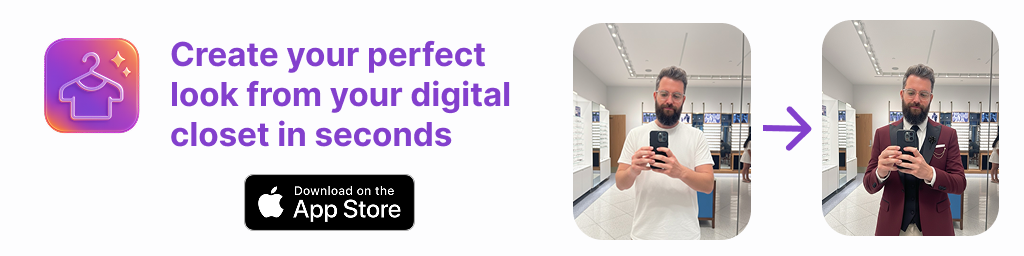
- AI try-on or styling: See realistic combinations and get suggestions you might not think of.
Key Features to Compare Before You Commit
Not all apps approach planning the same way. Use the table below to compare what matters and decide which outfit planning app aligns with your routine.
| Feature | Why It Matters | What to Look For |
|---|---|---|
| Item Capture | Faster onboarding and accurate visuals. | Background removal, batch import, web clipper, color auto-detect. |
| Tagging System | Powerful search drives better outfits. | Custom tags, multi-select filters, bulk edits, color/material palettes. |
| Outfit Builder | Visualizing combinations increases wear rates. | Templates (workwear, gym-to-office), layering controls, accessory slots. |
| Calendar + Weather | Plans that adapt to reality. | 7–10 day forecast, rain/wind feels-like temp, event notes. |
| Capsules & Packing | Travel and seasonal rotations made simple. | Outfit coverage metrics, activity tags, laundry intervals. |
| AI Styling / Try-On | Discover new combos without mirror fatigue. | Realistic fit, size notes, skin-tone-aware color pairing. |
| Analytics | Wear more of what you own, buy less. | Cost per wear, usage heatmaps, closet gaps by category. |
| Sync & Privacy | Keep your closet secure and accessible. | Local backups, export, offline viewing, transparent data policy. |
| Integrations | Less manual work. | Calendar import, weather API, photo library, brand links. |
Set Up Checklist: From Closet to Searchable Wardrobe
The biggest barrier isn’t choosing an outfit planning app—it’s onboarding your closet. Here’s a realistic, three-session setup that pays off fast.
- Prep your photos (60–90 minutes)
- Gather your in-rotation items: tops, bottoms, shoes, outerwear, bags, and 5–7 favorite accessories.
- Shoot on a neutral background with consistent lighting. Lay-flat or on a hanger works fine.
- Capture front-facing images; add detail shots only for special textures or patterns.
- Batch import and tag (60 minutes)
- Use bulk add with automatic background removal.
- Apply foundational tags: category (top, bottom), subcategory (blazer, sneaker), color, fabric, seasonality.
- Add size and fit notes (e.g., “tailored at waist,” “loose through thigh”).
- Create starter outfits (30–45 minutes)
- Build 10–12 outfits for your most common contexts: work, casual, gym, night out.
- Save 2–3 “backup” outfits for bad weather or laundry day.
Sample Tag and Folder Structure
Consistency beats complexity. Start simple, then expand only if needed.
| Tag Group | Examples | Pro Tip |
|---|---|---|
| Category | Top, Bottom, Dress, Outerwear, Shoes, Accessory | Limit to 6–8 top-level categories. |
| Subcategory | Blazer, Tee, Jeans, Chinos, Midi Dress, Chelsea Boot | Use what you actually say out loud. |
| Color | Black, White, Navy, Olive, Camel, Burgundy | Stick to a 12–16 color palette for cleaner filters. |
| Season | Warm, Cool, All-Season | Less is more; weather handles the rest. |
| Dress Code | Business Casual, Casual, Smart Casual, Formal, Athleisure | Match your real life contexts, not aspirational ones. |
| Fit & Notes | TTS, Relaxed, Slim, Needs Tailoring, Special Care | These notes prevent unworn items. |
A Weekly Workflow That Saves Time
Once your closet is onboarded, a simple routine turns your outfit planning app into a life-saver.
- Plan on Sunday (10–15 minutes)
- Open the calendar view and scan your week: meetings, workouts, dinners, travel.
- For each day, pick a base outfit and a weather-appropriate outer layer.
- Add at least one “rain plan” swap for any outdoor days.
- Check daily (2 minutes)
- Glance at the forecast; swap shoes or layers if temperatures change.
- Use quick filters: “business casual,” “rain,” “standing all day,” “hot/cold.”
- Review on Friday (5 minutes)
- Mark what you actually wore and note comfort issues (“boots rubbed,” “blazer too warm”).
- Flag unworn picks to refine future planning.
Example week: Monday: business casual with indoor meetings; Tuesday: commute + rain; Wednesday: gym-to-office; Thursday: client dinner; Friday: casual Friday. Pre-select outfits with two swaps (rain shoes, lighter layer) and you’ll still be ready when the forecast shifts.
Advanced Automations for Power Users
If your outfit planning app supports rules or smart suggestions, you can automate a surprising amount. Here’s a lightweight blueprint using pseudo-logic you can adapt:
# Smart outfit rules (pseudo-YAML)
when:
  weather.feels_like <= 45F:
    add_layer: [wool_coat, heattech_long_sleeve]
  weather.precip >= 50%:
    shoes: [waterproof_boots, leather_sneakers]
  event.dress_code == "business casual":
    prioritize: [blazer, chinos, oxford_shirt]
  day == "Friday":
    allow: [denim]
  activity.contains("gym"):
    pack: [trainers, socks, tee]
  category.overworn > 80%:
    deprioritize: [white_tee]

# Packing list rule
trip:
  duration_days: 4
  climate: "mild"
  activities: [work, dinner, walking]
  coverage:
    tops: 1.5 per day
    bottoms: 0.5 per day
    shoes: 2 pairs total
These rules keep recommendations fresh, weather-smart, and aligned with your real schedule.
Use Cases Where an Outfit Planning App Shines
- Work wardrobe rotation: Avoid repeating the same two outfits by tracking wear frequency and rotating layers.
- Travel capsules: Pack fewer items while covering more scenarios with mix-and-match grids.
- Events and dress codes: Filter by “cocktail,” “black tie optional,” or “creative casual” to zero-in fast.
- Seasonal transitions: Create a mid-season capsule with key layers and fabrics that handle temperature swings.
- Sustainability: Raise cost per wear and identify pieces that deserve tailoring instead of replacing.
- Budgeting and smart shopping: Use analytics to see what gaps truly exist before buying.
Style gets easier when your closet becomes searchable. A good outfit planning app trades decision fatigue for clear, repeatable choices.
Common Mistakes and How to Avoid Them
- Over-tagging: Ten tags per item can slow you down. Start with 4–5 core tags and expand only when searches fail.
- Skipping fit notes: The fastest way to repeat bad outfits. Record comfort, tailoring needs, and fabric warmth.
- Ignoring accessories: Belts, scarves, and bags often complete the look. Tag them and include in outfits.
- No backups: Always keep a weather-safe and a dress-code-safe alternative for important days.
- Not archiving: Move off-season or ill-fitting items to an archive to declutter search results.
- Zero review: Without a weekly review, you’ll plan the same few outfits and miss better combinations.
FAQ: Outfit Planning App Basics
Do I need professional photos for my clothes?
No. Consistent lighting and a neutral background are enough. Most apps remove backgrounds and normalize images for you.
How many items should I upload to start?
Begin with 40–60 in-rotation items (tops, bottoms, shoes, and 5–7 accessories). Add specialty or seasonal pieces later.
What if my style changes?
Good systems are flexible. Update tags, archive items, and use analytics to track new favorites. Your plan should adapt as your life does.
Putting It All Together
Choosing the right outfit planning app is about matching features to your real life: a clean tagging system, a visual outfit builder, calendar and weather context, and analytics that help you wear more of what you already own. Onboard your core wardrobe, build a week’s worth of reliable outfits, and use simple rules or templates to handle surprises. With a steady Sunday plan and quick daily tweaks, you’ll spend less time deciding and more time feeling confident in what you wear.
If you’re on iOS and want an option that combines realistic AI try-ons with a smart digital wardrobe planner, Outfit Maker is a streamlined choice worth exploring.