A weekly outfit planner turns the question of what to wear into a simple, repeatable routine. Instead of choosing clothes in a rush each morning, you can match outfits to your schedule, check that the pieces are clean, and spot gaps before they become last-minute problems. The best plan is not a rigid uniform or a list of outfits you must follow. It is a flexible shortlist built around clothes you already own.
You can plan with a notebook, a closet app, or a digital wardrobe that lets you catalog garments and see outfit combinations together. Whatever method you choose, the goal is practical: make it easier to get dressed while keeping your choices comfortable, suitable for the day, and genuinely yours.
What a weekly outfit planner should account for
A useful plan starts with real life, not just color coordination. Before choosing clothes, consider what each day involves. A presentation, a commute, errands, a workout, and an evening out may all call for different levels of formality and comfort. Weather matters, too, especially when rain, temperature changes, or time outdoors affect layers and footwear.
Think of the planner as a connection between your calendar and your closet. It helps answer three questions: What am I doing? What will the conditions be like? Which available clothes make sense for both? You do not need to plan every accessory or predict every change in your day. A clear main outfit and one practical backup are often enough.
How to make a weekly outfit plan
- Review your week. Note appointments, work requirements, social plans, travel time, and activities that affect what you can wear. Mark days when you need clothes that are especially polished, comfortable, or easy to move in.
- Check the forecast. Look at expected temperatures and precipitation for the relevant days. Use the forecast as a guide, not a guarantee; add a layer or alternative shoes when conditions could change.
- Choose a few reliable outfit combinations. Start with pieces you know you like wearing. Pair a top, bottom, and suitable shoes, then add a layer if the day calls for one. Choose combinations that fit the setting rather than trying to use every item in your wardrobe.
- Check garment availability. A planned outfit only works if its pieces are clean, dry, and ready. Consider laundry, repairs, and items you have already committed to wearing. If one key piece is unavailable, choose a substitute now.
- Leave room to adjust. Keep one or two flexible options for changing weather, a schedule shift, or a change in how you feel. A plan should reduce decisions, not create pressure to follow it exactly.
A concrete example: planning a typical workweek
Imagine a week with three office days, one work-from-home day, and a casual dinner on Friday. The forecast suggests a cool, rainy Tuesday and milder weather later in the week. Your closet includes dark trousers, a pair of jeans, two shirts, a knit top, a lightweight jacket, a warmer cardigan, and shoes suitable for wet conditions.
For Monday, choose dark trousers, a shirt, and the lightweight jacket for a polished office look. On Tuesday, keep the trousers but switch to the warmer cardigan and rain-ready shoes. Reusing a bottom is a practical choice if it is clean and comfortable; it does not make the outfits identical. For Wednesday, select jeans and the knit top if denim fits your workplace. Thursday can be the work-from-home day, so choose a comfortable combination you can also wear for a quick errand. On Friday, use the second shirt with the trousers or jeans, depending on the dinner setting.
This example is a starting point, not a rule. If your office has a formal dress code, replace the casual options with suitable pieces. If Tuesday becomes sunny, you can remove the weather-specific layer. The benefit of planning is that each day already has a workable direction, while you retain the freedom to adjust.
Build combinations from garments, not idealized outfits
It is easy to save inspiring looks that depend on clothes you do not own or would not wear in ordinary life. For a practical weekly outfit planner, begin with the garments currently in your wardrobe. Identify a few dependable anchors, such as trousers, skirts, jeans, dresses, or a jacket, and consider which tops and shoes work with them.
Try to make each planned look complete enough to wear: include the main garments and footwear, and note a layer when it is important for comfort or the setting. You can also record small details that prevent friction, such as needing a belt, carrying a tote, or choosing shoes that are comfortable for a long commute. Keep the plan realistic about what is clean and available.
Repeating a garment across the week can make planning easier and help you use your wardrobe more intentionally. Repetition does not require wearing the same full look twice. A different top, layer, or shoe can change the overall combination, provided the result suits your plans and feels comfortable.
Use a digital wardrobe to make planning easier
A digital wardrobe is a catalog of clothing you can refer to without pulling every item out of your closet. Depending on the tool, you may be able to add photos, organize garments, and save combinations. This can be useful when you want to compare options visually, remember what you own, or revisit a look that worked for a similar occasion.
For a manageable start, add pieces you wear often rather than trying to document everything in one sitting. Clear, consistent photos make it easier to recognize items. Useful details might include garment type, color, season, or a note about when you wear it. Keep the categories simple enough that you will actually maintain them.
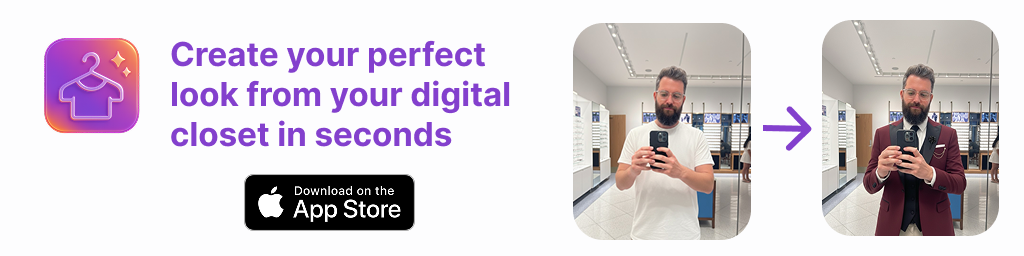
An AI outfit generator or virtual try-on tool can help you visualize combinations using clothing photos. Treat that view as a styling aid: it can help you consider how pieces might work together, but an image is not proof of exact fit, sizing, drape, texture, or fabric behavior. Photos and digital previews may not show how a garment feels when you move, how it fits your body, or how it looks in different lighting. Try on important outfits in person when fit and comfort matter.
Common weekly planning problems to avoid
- Planning for an imaginary schedule. A high-effort outfit may not suit a day filled with walking or hands-on tasks. Match the look to what you will actually do.
- Ignoring laundry. Do not assign one clean shirt to two consecutive days without checking whether that is realistic. Choose a backup before the week begins.
- Overplanning every detail. If the plan takes too long to update, simplify it. Plan the main outfit and leave minor choices open.
- Forcing a new look every day. There is no need to avoid repeating useful pieces. Comfort, suitability, and wearability matter more than novelty.
- Taking a digital preview too literally. Virtual visualization can support outfit decisions, but it cannot reliably establish exact fit, sizing, or fabric performance from an image alone.
Make the routine easy to repeat
Choose a regular time to plan, such as Sunday evening or the night before your first busy day. Spend a few minutes checking your calendar, forecast, and laundry status, then note the combinations you want to try. If you prefer to decide day by day, plan only the most demanding outfits and leave simpler days flexible.
At the end of the week, notice what you wore and what you skipped. Perhaps a planned outfit was uncomfortable, a certain layer proved useful, or a combination worked better than expected. Use those observations to improve next week’s choices rather than treating an unused plan as a failure. Over time, this small review can show which pieces earn their place in your regular rotation.
If you want to organize garment photos and explore combinations from your own closet, Outfit Maker’s guide to creating a digital closet explains the idea. A weekly outfit planner can be as simple as a few notes or supported by a digital wardrobe; what matters is choosing a method that fits your routine and leaves you with outfits you are comfortable wearing.
Frequently asked questions
How many outfits should I plan for a week?
Plan for the days when choosing clothes is most difficult or when your schedule has specific requirements. You might map out all five workdays, or only two busy days and leave the rest open. There is no required number.
Should I plan outfits around the weather or my calendar first?
Start with your calendar to understand the setting and activity, then use the forecast to adjust layers and footwear. If conditions are uncertain, keep a flexible alternative available.
Can an AI outfit generator tell me whether clothes will fit?
An AI-generated or virtual try-on image can help visualize styling possibilities, but it should not be treated as a reliable fit, size, or fabric prediction. Use garment details and an in-person try-on when those factors are important.