A capsule wardrobe is a small, intentional collection of clothes that work well together. The goal is not to own as little as possible; it is to make getting dressed easier with pieces you enjoy wearing and can combine in several ways. A smart closet organizer can help you see what you already own, spot useful outfit combinations, and notice gaps before you shop.
You do not need to replace your wardrobe or follow a strict item count. Start with your real routine, your preferred clothes, and the garments already in your closet. Then use a digital wardrobe to make those pieces easier to review and plan.
What makes a capsule wardrobe work?
A useful capsule wardrobe is built around compatibility. Clothes should suit your daily activities, feel appropriate for your climate, and coordinate in enough combinations to make the collection practical. A simple color palette can help, but it does not have to mean wearing only neutrals. Choose a few colors you like, then identify which existing items connect them.
Think in terms of roles rather than a prescribed number of garments. You might need comfortable work clothes, casual weekend layers, or outfits for recurring social plans. A capsule should support those needs. If a piece is rarely worn because it is uncomfortable or does not fit your life, including it just to reach a target number will not make the wardrobe more functional.
Start with a digital closet inventory
Before deciding what to keep, make a record of the clothes you actually wear and might want to style. Add clear photos of garments, ideally in good light against a simple background. Include useful details such as category, color, season, and occasion if your organizer lets you add them. You do not have to catalog everything in one sitting; begin with a category you wear often.
Review the inventory for patterns. Which trousers appear in several outfits? Which tops are comfortable but hard to pair? Do you own multiple versions of the same item, or lack a layer that would make existing clothes more wearable? Seeing the wardrobe together can reveal these patterns more clearly than looking through a crowded rail.
For a more detailed walkthrough, read Outfit Maker’s guide to creating a digital closet. The useful principle is simple: catalog items in a way that helps you make decisions, not just collect pictures.
Choose a realistic capsule around your routine
List the situations your clothes need to cover in a typical week. For example, a person who works from home, goes to the office twice a week, and walks on weekends may need comfortable layers, a few polished work options, and shoes suited to regular walking. Someone with a uniform or frequent formal events will need a different mix.
Next, choose a handful of anchor pieces from your inventory. These are garments you like, wear often, and can imagine combining with several other items. Build around them instead of starting with a shopping list. Consider comfort and care as well as appearance: a garment that needs special handling may not be a practical everyday staple for you.
Example: turn a few pieces into a working mini-capsule
Imagine your closet includes dark straight-leg jeans, black trousers, a white shirt, a blue knit top, a striped T-shirt, a gray cardigan, a light jacket, and comfortable sneakers. Rather than treating each as a separate look, test how they connect:
| Anchor piece | Possible combinations | Useful for |
|---|---|---|
| Dark jeans | Striped T-shirt and jacket; blue knit and cardigan | Casual days and errands |
| Black trousers | White shirt and cardigan; blue knit and jacket | Work or a smart-casual plan |
| White shirt | Black trousers; jeans with the cardigan | Layering or a more polished outfit |
This is a starting point, not a promise that every combination will suit every setting. Check the actual garments, shoes, weather, and dress expectations. If the blue knit works with both bottoms but the jacket feels too casual for your office, record that distinction. The purpose is to make reliable choices, not to force every item into every outfit.
Use an organizer to test outfit combinations
A smart closet organizer makes it easier to compare items without pulling everything out or changing clothes repeatedly. Once you have cataloged a useful set of pieces, create combinations for specific situations: a normal workday, a rainy commute, or a relaxed weekend. Saving a look with a short label such as “office with sneakers” or “cool evening layer” can make it easier to find again.
Look for versatility in practice, not just in theory. A top may appear to match three bottoms by color, but the proportions, formality, or comfort may make only one combination something you would actually wear. Keep the outfits that feel plausible and remove combinations that look awkward or do not fit your routine. A smaller set of dependable options is more useful than a long list of hypothetical ones.
Where virtual try-on helps—and where it does not
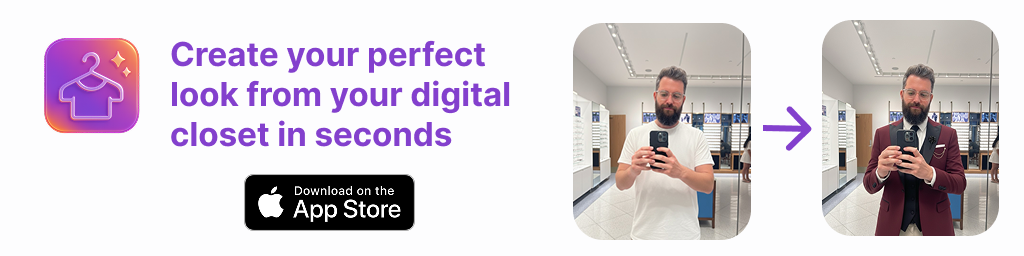
AI virtual try-on can help you visualize clothing combinations from photos of your own garments. It is useful for comparing colors and seeing how separate pieces might look together before you get dressed. That can support capsule planning when you want to test a few outfit ideas in a digital wardrobe rather than assemble each combination physically.
However, an AI-generated image is a style visualization, not a fitting-room assessment. It should not be treated as a guarantee of exact fit, garment sizing, drape, texture, or fabric behavior. Photos and image processing can also affect how colors and proportions appear. If you are deciding whether an outfit is comfortable, appropriate for a particular event, or suitable for the weather, check the actual clothes and use your own judgment.
Check whether your capsule covers real-life needs
Before calling your collection complete, review it against your calendar and conditions. Ask whether you have enough clean options for the number of days between laundry, suitable layers for changing temperatures, and shoes for the places you go. Consider recurring occasions such as meetings, dinners, or outdoor activities rather than planning only for an idealized week.
A practical check is to select outfits for several days using only your proposed capsule. If you keep reaching for items outside it, ask why. You may have overlooked a regular activity, or one piece may not work as well as expected. If you are planning for a trip, you can also use the same approach to map outfits to activities and pack more deliberately.
Common capsule wardrobe mistakes to avoid
- Choosing an arbitrary item limit: A number does not tell you whether the wardrobe suits your needs. Use the smallest collection that supports your actual routine, not a target that creates stress.
- Keeping clothes only because they coordinate: Matching colors is not enough. Prioritize comfort, fit, condition, and whether you want to wear the item.
- Building around an imagined lifestyle: Plan for the week you have, not a schedule you hope to have someday. Special-occasion clothes can be planned separately if they are not part of everyday dressing.
- Shopping to fill a perceived gap too soon: First test combinations with what you own. Sometimes a different layer, styling choice, or saved outfit solves the problem without adding another garment.
- Assuming every digital combination will work in person: Use AI previews to explore ideas, then verify the clothing, comfort, and occasion yourself.
Keep the wardrobe flexible
A capsule is not a permanent uniform. Your routine, preferences, and weather change, so review the collection periodically. If you stop wearing a piece, note the reason rather than blaming the whole wardrobe. It might be uncomfortable, difficult to care for, or simply wrong for your current plans. That information can guide future decisions.
When you add something, consider which existing garments it can work with and what role it fills. You do not need to set a strict rule that every new item must create a certain number of outfits. Instead, use your saved combinations to make a thoughtful check: does this garment add a useful option, or duplicate one you already have?
Make getting dressed simpler, one combination at a time
To build a capsule wardrobe with a smart closet organizer, begin with an honest inventory, identify the pieces you rely on, and test combinations that match your real life. Save dependable outfits, note limitations, and revise the collection as your needs change. The result is not a perfect or fixed wardrobe; it is a clearer view of what you own and more confidence in choosing what to wear.
Outfit Maker is an AI outfit generator and digital wardrobe planner for iOS that lets users visualize combinations from their clothing photos and save looks. It can support the planning process, while decisions about fit, comfort, fabric, and suitability remain yours.