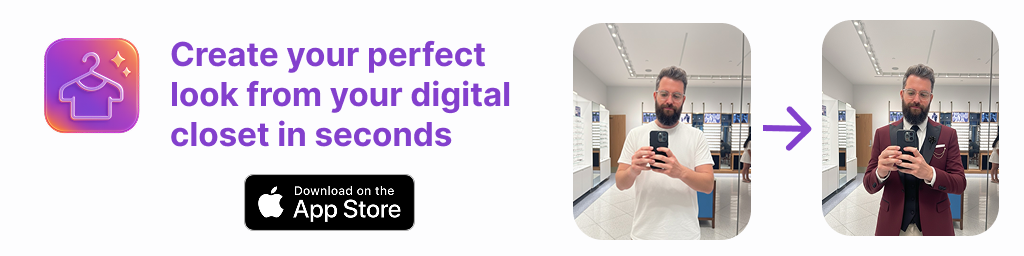
An outfit matcher app promises a simple outcome: faster, better outfit decisions with the clothes you already own. Under the hood, it blends computer vision, color theory, fit data, and context signals like weather and dress code. This guide unpacks how it works, how to feed it the right data, and the daily workflow that turns a messy closet into reliable looks you will actually wear.
What problem does an outfit matcher app solve?
- Decision fatigue: it narrows millions of possible combinations to a handful of high quality options.
- Underused wardrobe: it surfaces forgotten pieces and maximizes cost per wear.
- Context mismatch: it aligns outfits to weather, venue, and dress code constraints.
- Fit and proportion: it pairs silhouettes that balance volume, length, and structure.
- Consistency: it helps you repeat what works and avoid what does not, based on wear logs and feedback.
Under the hood: how an outfit matcher app decides
Most modern tools follow a similar pipeline. Knowing this helps you supply better inputs and interpret suggestions.
1. Catalog and visual extraction
You capture photos of your pieces on a flat surface or on body. The app detects item boundaries, removes backgrounds, and extracts features: color palette, pattern type, fabric type, texture, and key attributes like sleeve length or rise. Better lighting and clear angles improve recognition and the quality of matches.
2. Color and pattern matching
The engine builds a palette per item (dominant, secondary, accent). It prefers combinations that harmonize on hue, value, and chroma and applies pattern rules such as mixing scales or anchoring prints with solids.
3. Fit and silhouette pairing
Items are labeled by silhouette characteristics: slim, straight, relaxed; cropped, regular, long; structured vs drapey. The matcher balances volume and follows proportion rules like the rule of thirds. If your body data is available, it can tailor choices to your preferred rise, inseam, or sleeve length.
4. Context and constraints
Outfits are filtered by occasion, dress code, venue, weather, and your calendar. A rainy weekday commute and a garden party require different footwear, hemlines, and fabrics.
5. Scoring and ranking
Each candidate outfit receives a weighted score. A simplified example looks like this:
color_score     = palette_harmony + neutral_anchor + pattern_balance
fit_score       = volume_balance + proportion_rule_of_thirds + comfort_pref
context_score   = dress_code_fit + venue_fit + activity_mobility
weather_score   = temp_compat + precipitation_ready + material_breathability
history_score   = past_ratings + diversity_boost + cost_per_wear_improvement

final_score = 0.35*color_score + 0.25*fit_score + 0.2*context_score + 0.1*weather_score + 0.1*history_score
The exact math varies, but the idea is constant: color harmony, fit logic, and context alignment do the heavy lifting, while your history nudges picks toward what you actually wear.
Color rules you can trust
Color is the fastest lever for coherence. Use a few reliable formulas and let the app test variations.
| Palette formula | Ratio guideline | What it looks like |
|---|---|---|
| Monochrome | 70 percent base, 30 percent lighter or darker shade | Navy trousers with a denim shirt and slate jacket |
| Analogous | 60 percent base, 30 percent neighbor hue, 10 percent accent | Olive chinos, forest sweater, tan boots |
| Complementary | 70 percent neutral, 20 percent color, 10 percent complement | Charcoal suit, pale blue shirt, rust tie |
| Neutral plus accent | 80 percent neutrals, 20 percent color | Black jeans, white tee, camel coat, red scarf |
- Anchor with a neutral: black, white, gray, navy, tan, olive, denim, cream.
- Mix pattern scales: small stripes with larger checks; avoid competing micro prints.
- Keep warm with warm, cool with cool, unless you deliberately add tension with a crisp contrast.
Silhouette and proportion made simple
Pair items to balance volume and create clean lines.
- Rule of thirds: aim for visible 1 by 2 or 2 by 1 top to bottom proportions, not 1 by 1 cuts at the widest point.
- Volume balance: if the top is oversized, choose fitted or straight bottoms; if the bottom is wide, try a neater top.
- Focal point: one hero piece at a time. Loud shoes or a statement jacket, not both.
- Vertical lines: column of color elongates; cropped layers shorten. Use intentionally.
Context: dress codes, venues, and climate
A strong outfit matcher app maps clothes to situations. A simple decision table can prevent near misses.
| Context | Base pieces | Shoes | Notes |
|---|---|---|---|
| Business formal | Structured blazer, pressed trousers or skirt, collared shirt | Closed-toe leather, low to mid heel or oxford | Solid colors, minimal patterns, refined accessories |
| Smart casual | Unstructured blazer or knit, dark denim or chinos | Loafers, chelsea boots, clean sneakers | Add one accent color or texture |
| Outdoor event | Breathable fabrics, layers | Weatherproof boots or flats | Check precipitation, grass friendly soles |
| Active commute | Stretch fabrics, packable outer layer | Supportive sneakers | Hands free bag, reflective element at night |
A two minute daily workflow
Use this repeatable loop to get value fast.
- Capture: add new pieces with clear, well lit photos on a plain background. Include front, back, and detail if texture matters.
- Tag: add color, category, season, dress code, fabric, fit, care, and restrictions like no dry clean for travel.
- Plan: set the next day context: occasion, venue, weather, and any activity like cycling or presentations.
- Pick: short list two top outfits. Try them virtually or in real life; choose the one that matches your energy and comfort.
- Log: mark what you wore, rate the comfort and confidence, and note changes such as different shoes.
Data to track once and reuse forever
Good inputs create great matches. Consider these fields:
- Category: top, bottom, dress, outerwear, footwear, bag, accessory.
- Color and undertone: e.g., cool navy vs warm navy.
- Fabric and texture: cotton, silk, wool, linen, leather, knit; matte vs sheen.
- Fit and measurements: rise, inseam, shoulder width, sleeve length, waist, heel height.
- Seasonality: warm, transitional, cold; humidity or wind tolerances.
- Dress code tags: formal, business, smart casual, casual, athleisure.
- Care: machine wash, hand wash, dry clean; packing friendliness.
- Cost and wear: purchase price, cost per wear, last worn date.
Common pitfalls and how to fix them
- Overstuffed catalog: if you import everything at once, quality drops. Start with 30 to 40 pieces you reach for most and expand later.
- Poor photos: dim light, busy backgrounds, and skewed angles confuse detection. Shoot near a window on a plain surface with consistent framing.
- Ignoring weather: a perfect color match fails if your feet get soaked. Connect a weather source and set thresholds for rain, wind, and heat.
- No pruning: archive items you do not wear so the engine stops recommending them. Reenable if you repair or tailor them.
- Analysis paralysis: set a two outfit limit. If both are good, flip a coin and log the outcome to learn preferences faster.
Advanced plays: capsules, packing, and smarter shopping
Once the basics work, use your data to build lighter wardrobes and sharper purchases.
- Capsules: define a core palette and 10 to 14 items that cover your week. Test combinations virtually to ensure each piece works with three others.
- Packing: set destination weather and activities. Auto generate a minimal list and verify laundry options to cut redundancy.
- Gaps analysis: sort outfits you love and find the missing link such as a neutral belt, a mid layer, or weatherproof footwear. Buy to fill roles, not impulses.
- Cost per wear: retire low performers or tailor them. Shift budget toward high rotation items where small upgrades pay off daily.
How to evaluate an outfit matcher app
Use this checklist to choose a tool that fits your style and workflow.
| Must have | Why it matters | Nice to have | Why it helps |
|---|---|---|---|
| Fast background removal | Cleaner item cutouts improve matching accuracy | Batch import | Quicker setup when adding a new season |
| Color and pattern extraction | Better palette harmony and print mixing | Hex or palette export | Shareable color libraries for shopping |
| Fit tags and measurements | More accurate silhouette pairings | Tailor notes | Track alterations and fit changes |
| Context filters and weather | Outfits fit the day, not just the mirror | Calendar sync | Pre plan by event without duplicate entry |
| Wear logging and ratings | Improves picks over time with real feedback | Cost per wear stats | Better budget decisions |
| Cross category matching | Complete looks including shoes and accessories | Virtual try on or AR | Faster confidence check before committing |
Privacy, data, and longevity
Your closet is personal. Before you commit, consider:
- Data storage: where are your photos stored and are they encrypted at rest and in transit.
- Account control: can you export your data and delete your account fully.
- Model handling: are images used to train models beyond your account and can you opt out.
- Offline access: do you need the internet to view your closet while traveling.
- Company stability: do they have a clear roadmap and a way to sustain the service.
Style gets easier when you treat it like a system you can iterate, not a one time decision.
Putting it all together
An effective outfit matcher app turns a set of simple truths into daily results. Good inputs make good matches. Color and silhouette rules reduce noise. Context filters prevent obvious mistakes. Logging what you actually wear teaches the system your preferences over time. Start with a focused subset of your closet, tag it well, and adopt a two minute planning routine. You will feel the benefits long before every item is digitized.
If you are exploring an iOS outfit matcher app with virtual try ons and a smart digital closet, consider trying Outfit Maker to compare against your checklist.