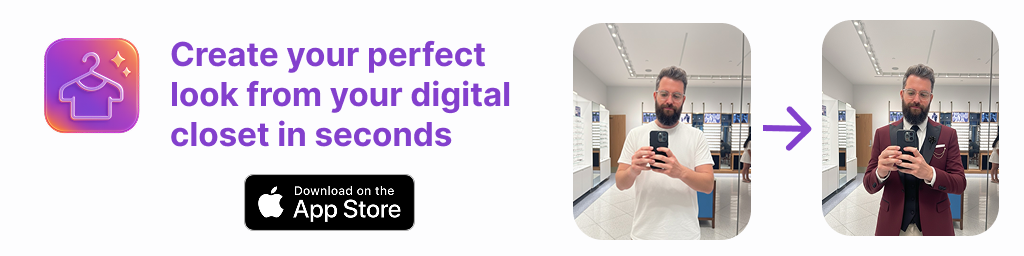
A capsule wardrobe sounds simple: own a small group of clothes that work well together. In practice, choosing those pieces—and turning them into outfits—can take more thought than expected. A closet may be full of useful items, yet you still find yourself repeating the same combination or wondering whether a new piece will fit in.
An outfit combination maker can make the process more manageable. By letting you arrange and preview clothes you already own, it helps you spot useful pairings before you get dressed. The goal is not to create a perfect wardrobe or follow a strict item count. It is to make a smaller, more dependable set of clothes easier to use.
Here is how to use an outfit combination maker to build a practical capsule wardrobe, with a concrete example and a few important limitations to keep in mind.
What makes a capsule wardrobe easier to use?
A capsule wardrobe is a selected group of garments intended to work together across everyday situations. It might be based on a season, a work routine, a trip, or simply the clothes you reach for most. There is no universal number of pieces. The useful measure is whether the items suit your life and create enough outfits for your needs.
A functional capsule usually includes a balance of:
- Reliable basics: pieces such as a plain top, comfortable trousers, or a simple layer.
- Supporting colors: shades that coordinate with several other garments in the group.
- Useful variety: different shapes, layers, or levels of formality for the situations you dress for.
- Personal favorites: items you enjoy wearing, not just pieces that seem practical in theory.
The challenge is seeing how these elements work together. An outfit combination maker turns a mental task into a visual one: instead of remembering every item and imagining each pairing, you can compare possible looks in one place.
Start with the clothes you actually wear
Before planning combinations, define the capsule’s purpose. A wardrobe for a week of commuting may differ from one for working at home or dressing for variable weather. Write down the occasions you need to cover and the conditions that affect your choices, such as walking, indoor temperatures, or a dress code.
Next, choose a manageable starting group from your closet. You do not need to catalog everything at once. Begin with clothes you have worn recently and would choose again. Include shoes and layers if they influence how an outfit works. Set aside items that need repair or are uncomfortable; a digital list should reflect your usable wardrobe, not an idealized version of it.
When you add clothing photos to a digital wardrobe, aim for clear, recognizable images. Consistent backgrounds and lighting can make it easier to distinguish colors and shapes, though the image does not need to look like a professional product photo. A digital closet guide can help you think through how to organize a virtual catalog.
Build combinations around outfit formulas
An outfit formula is a repeatable structure, not a uniform. It might be “top + trousers + cardigan” or “dress + jacket + comfortable shoes.” Formulas make a capsule more useful because they help you test whether the pieces support real outfits, rather than simply looking coordinated in a flat list.
For example, imagine a small weekday capsule with:
- Two tops: a white T-shirt and a blue button-up shirt.
- Two bottoms: dark jeans and black trousers.
- Two layers: a gray cardigan and a navy jacket.
- One pair of neutral sneakers and one pair of loafers.
Instead of treating this as nine separate items, use an outfit combination maker to explore complete looks. The white T-shirt could pair with dark jeans and sneakers for a casual day, or with black trousers, a cardigan, and loafers for a more polished setting. The blue shirt could work with either bottom and either layer, depending on the occasion.
This example does not mean every possible pairing will feel right. It gives you a shortlist to assess. You might prefer the jacket with jeans, find the cardigan too warm indoors, or decide the loafers are not comfortable for your commute. Your own preferences are part of the system.
Use an outfit combination maker to find gaps
Once you have a starter group, compare combinations with a specific question in mind. For instance: “Can I make three outfits for work and two for the weekend?” An AI outfit generator or virtual try-on view can help you visualize clothing combinations from your own garments, making it easier to notice pairings you had not considered.
Look for coverage, not a theoretical maximum number of outfits. A tool may display many combinations, but that does not mean every look suits your weather, routine, or taste. Review the options and keep only the ones you would genuinely wear.
Then identify the source of any gaps. If all your tops work with one pair of trousers but not the other, you may need a different styling approach—or you may have found that the second pair is less versatile than you thought. If outfits feel too similar, a different layer or accessory you already own might add variety. Avoid buying something immediately just because a combination looks incomplete on screen.
Make a simple capsule planning table
A table can help you check whether a small wardrobe covers the situations you identified. Use it to record promising combinations, not to impose a strict dress code on yourself.
| Occasion | Combination to test | Question to ask |
|---|---|---|
| Casual weekday | T-shirt, dark jeans, sneakers | Is it comfortable for the day’s activities? |
| Work or meeting | Button-up, black trousers, loafers | Does it feel appropriate for the setting? |
| Cooler afternoon | T-shirt, trousers, cardigan | Can you adjust comfortably indoors? |
| Smart-casual plan | Button-up, jeans, navy jacket | Do the colors and proportions feel like you? |
If a row has no workable outfit, that is useful information. It may point to a practical wardrobe gap, but it may also reveal that the occasion needs a different solution—such as a layer you already own or a more comfortable shoe choice.
Save the combinations that pass a real-life check
A visual preview is a planning aid, not a final verdict. Try the strongest combinations on when convenient, or check them against your memory of how the clothes feel and move. Consider whether a waistband stays comfortable, a layer restricts your arms, or a fabric feels suitable for the day. These details can be hard to judge from clothing photos.
Once a look passes your own check, save it somewhere you can refer to when planning. Keeping a short list of reliable combinations can reduce the effort of deciding what to wear. If your plans change, compare or adjust the saved looks rather than starting from a blank slate. Some digital wardrobe tools also let you share outfit ideas with friends, which can be useful when you want another perspective—but their feedback is still a style opinion, not a guarantee that an outfit will work for you.
Know what virtual try-on can and cannot show
AI try-on and outfit visualization are most useful for exploring style, color, and general combination ideas. Seeing your garments arranged together can help you decide whether a jacket might complement a pair of trousers or whether a capsule has enough variety.
However, a visual preview should not be treated as an exact fit or fabric prediction. Photos may not capture the way a garment drapes, stretches, or sits on your body. The result may not show precise sizing, texture, movement, or comfort. Lighting and image quality can also affect how colors appear. For fit questions, rely on the garment itself and your experience wearing it; for fabric and construction, inspect the item rather than assuming an image can tell you everything.
This distinction matters when building a capsule. Use the tool to narrow down combinations and make planning more visual. Use real-world wear to decide whether those combinations deserve a place in your routine.
Keep the capsule flexible
A capsule wardrobe should be easy to revise. Weather changes, schedules shift, and personal preferences evolve. Review your saved combinations after wearing them: Which did you choose repeatedly? Which looked promising but stayed unworn? Which items were missing when you needed a practical outfit?
Use those observations to edit gradually. You might remove a piece that no longer suits your routine, bring a seasonal layer into the rotation, or test a new combination from existing clothes. You do not need to replace everything or meet a fixed number of garments. Small, deliberate adjustments are more useful than chasing an ideal capsule defined by someone else.
A practical way to get started
- Choose one purpose: plan a workweek, a season, or a set of everyday occasions.
- Select usable clothes: start with a small group you already wear and include relevant shoes and layers.
- Try outfit formulas: build complete combinations rather than judging pieces one by one.
- Review the options: keep looks that fit your taste and routine, and note any genuine gaps.
- Check them in real life: assess comfort, fit, fabric, and appropriateness beyond the visual preview.
- Save and revisit: keep reliable combinations and adjust the capsule as your needs change.
An outfit combination maker makes capsule planning more concrete by helping you see how your own garments might work together. Start small, use it to explore rather than dictate, and let actual wear guide your decisions. For a digital wardrobe tool that supports clothing catalogs, outfit visualization, and saving or comparing looks, Outfit Maker is one option to explore.