If you’ve ever started typing “fashion collage app i…” into a search bar, you’re probably hunting for the fastest way to turn outfit ideas into clean, shareable mood boards—right from your iPhone. This guide covers the complete workflow: what to look for in a collage app, how to shoot your clothes for great cutouts, design principles that make your boards look editorial, and practical export settings for social. You’ll also learn how AI tools can automate background removal, virtual try-ons, and even outfit selection so you can focus on your style, not on tedious editing.
What a Fashion Collage App Does (and Why It Matters)
A fashion collage app helps you assemble images—garments, accessories, color swatches, textures—into a coherent layout that communicates a vibe: minimal workwear, bold streetwear, soft neutrals, holiday party sparkle, and more. For iPhone users, the best apps combine collage features with wardrobe planning tools, so you can test combinations before you dress or buy.
- Mood boards: Curate inspiration, palettes, and silhouettes for seasons or events.
- Outfit planning: Try combinations of items you already own to discover new looks.
- Virtual try-on: See how pieces layer or drape together without changing clothes.
- Social sharing: Export polished layouts sized for Instagram, Pinterest, or a blog.
Key Features to Look For in a Fashion Collage App i
Before you download or subscribe, match features to your goals. Use this checklist to evaluate options:
- Fast background removal/cutouts for garment photos
- Layer management (lock, group, reorder) and smart snapping
- Canvas presets for Instagram, Stories, Pinterest, and print
- Color tools (pipette, palette swatches, overlays)
- Text styles for titles, notes, and prices
- AI suggestions for outfits, palettes, or layout automation
- Wardrobe cataloging with tags (season, color, fabric, occasion)
- Non-destructive editing and easy exports
| Tool Type | Best For | Essential Features | iOS Perks | Typical Cost |
|---|---|---|---|---|
| Mood Board/Collage | Inspo layouts and brand-style boards | Grids, layers, text, cutouts | Live Photos import, Apple Fonts | Free–$9.99/mo |
| Outfit Planner | Daily looks, packing lists, capsule planning | Wardrobe catalog, tags, calendar | Reminders, Share Sheet import | Free–$7.99/mo |
| Photo Editor | High-quality cutouts and retouching | Masking, blend modes, brushes | Apple Pencil support (iPad) | $0–$19.99 one-time |
| AI Outfit Generator | Quick idea exploration and virtual try-on | Try-on, auto-complete looks, color suggestions | On-device privacy, fast processing | Free–$14.99/mo |
A 15-Minute Workflow: From Closet to Collage
Use this quick process to build a clean, on-brand collage on your iPhone.
- Define the goal: One outfit, a weekend capsule, or a seasonal mood? Write a single-sentence brief (e.g., “Minimal office capsule in black, camel, and white”).
- Gather assets: Shoot or import garment images, color chips, textures (linen, denim), and brand font files if you have them.
- Cut out garments: Use automatic background removal. Clean edges with a soft eraser. Save cutouts to an album for reuse.
- Pick the right canvas: Instagram post (1080×1350), Story (1080×1920), Pinterest (1000×1500), or Print (300 DPI, A4).
- Lay a grid: Start with a 3×3 or 4×5 grid. Place a single “hero” item (the focal piece) first.
- Set a palette: Sample colors from your garments and create 3–5 swatches. Use one as a subtle background or accent bar.
- Arrange hierarchy: Big for the hero item, medium for supporting pieces, small for detail shots (buttons, seams, soles).
- Add micro-copy: Label items simply (e.g., “Cropped Blazer,” “Tapered Trouser”). Keep typography consistent.
- Refine spacing: Use equal gutters, align edges, and ensure consistent visual weight. Squint—does something look too heavy?
- Export smart: Save a high-quality PNG for archives and a compressed JPEG for social. Add alt text before posting.
Design Principles That Make Collages Look Editorial
- Hierarchy: One focal point. If everything shouts, nothing speaks.
- Whitespace: Give each piece breathing room—tight spacing makes layouts feel cramped.
- Consistency: One typeface family (e.g., a sans serif with bold and regular). One border radius style. One drop shadow style—if any.
- Alignment: Choose left-align or center-align and stick with it. Use smart guides for pixel-precise placement.
- Color discipline: Pick up to five swatches—base, contrast, accent, background, and neutral. Avoid near-duplicates.
- Texture balance: Pair matte with satin, knit with denim. Contrasts read visually even in small thumbnails.
Three Layout Formulas You Can Reuse
- Hero + 4 Details: One big garment, four small callouts (fabric, buttons, hem, shoes). Great for product-forward posts.
- Rule of Thirds Mood: A large negative-space block, two medium items, and one small texture tile. Perfect for brand storytelling.
- Mini Capsule Grid: 2 tops × 2 bottoms × 2 shoes, with a slim color palette strip at the bottom. Ideal for weekend packing.
Photographing Clothes for Clean Cutouts
Good photos make cutouts look crisp and reduce editing time.
- Light: Shoot near a bright window with indirect daylight. Turn off overhead lights to avoid color casts.
- Backdrop: Use white or light gray poster board. Keep it wrinkle-free.
- Angles: Shoot flat lays straight overhead. For shoes and bags, add a 10–15° angle for dimension.
- Distance: Fill 80–90% of the frame with the garment. Leave a small border for cropping.
- Consistency: Keep the same distance and angle across items so scale is believable in collages.
- Prep: De-lint, steam, and shape items (tuck sleeves, smooth hems) before shooting.
How AI Elevates Your Collage Workflow
Modern iOS apps blend collage tools with AI to save time and spark ideas:
- Auto cutouts: One-tap background removal with edge-aware refinement.
- Virtual try-on: See layers and drape together without changing clothes. Great for testing silhouettes and lengths.
- Smart pairing: AI suggests complementary pieces based on color, fabric, and occasion tags.
- Palette extraction: Auto-build color swatches from a hero item or inspo photo.
- Auto layout: Place items with balanced spacing and grid alignment to cut setup time.
Tip: Use AI to generate options, then apply your taste. Keep or tweak suggestions as needed—your eye is the final editor.
Export Settings That Look Polished Everywhere
- Instagram Post: 1080×1350 px (4:5). PNG for crisp type, JPEG at 80–90% if file size is a concern.
- Instagram Story/Reels Cover: 1080×1920 px. Keep essential text in the safe zone (central 1080×1420).
- Pinterest: 1000×1500 px or 1000×2100 px for longer how-to collages.
- Blog: 1600 px width, compressed WebP or JPEG with alt text and descriptive filenames.
- Print: 300 DPI, CMYK-friendly colors if your printer supports; otherwise export RGB and convert at print time.
SEO and Accessibility for Collages
- Alt text: Describe the outfit, colors, and occasion succinctly (e.g., “Neutral office outfit with camel blazer, white tee, black trousers, and loafers”).
- Filenames: Use human-readable, keyword-friendly names.
capsule-minimal-office-camel-blazer-black-trouser-1080x1350.png- Compression: Keep under platform limits (e.g., Instagram under ~8 MB). Use high-quality settings to avoid banding in gradients.
- Color contrast: Ensure text contrasts against the background (WCAG AA: 4.5:1 for body text).
Common Collage Mistakes (and Quick Fixes)
- Floating items with no context: Add subtle shadows or drop a faint grounding line beneath shoes and bags.
- Inconsistent scales: Normalize by setting one “anchor” item (e.g., a shoe length) and scale other items relative to it.
- Overstuffed layouts: Remove 10–20% of items. More whitespace = more premium feel.
- Color noise: Reduce similar hues; commit to a tighter palette or convert some elements to grayscale.
- Hard-to-read text: Increase line height, add a soft background strip, or switch to a bolder weight.
Organizing Your Digital Wardrobe for Faster Collages
A lightweight system prevents clutter and speeds up creation:
- Albums by category: Tops, bottoms, outerwear, footwear, accessories.
- Tags: Season, occasion, color, fabric, care (e.g., “dry-clean only”).
- Fit notes: Hem length, heel height, fabric stretch, waist rise.
- Palettes library: Save reusable color swatches for fall, holiday, vacation.
- Template canvases: Keep preset layouts (Hero+4, Capsule Grid, Rule of Thirds) ready to duplicate.
Use Data to Refine Your Style
- Track wears: Which pieces appear most in your collages and actual outfits?
- Identify gaps: If you never use statement belts but crave waist definition, consider a neutral leather belt as a cornerstone piece.
- A/B test: Post two collages with subtle differences (shoes, bag color) to see which performs better with your audience.
Sample Prompts and Notes to Speed Up Decisions
Prompts are great when your app includes AI suggestions. Try:
- “Create a weekend capsule with one blazer, two tops, one jean, one trouser, and two shoes in cool neutrals.”
- “Suggest three ways to style a silk slip dress for daytime without heels.”
- “Build a fall palette from this tweed jacket: add two neutrals and one accent.”
Decision notes to store in your canvas or wardrobe item:
- “These loafers work best with cropped trousers; avoid full-length wide legs.”
- “Camel + black + white = work-safe hero palette; add gold hardware.”
- “Denim jacket competes with this blazer’s shoulder line—pick one.”
Privacy, Ethics, and Practicalities
- Remove metadata if sharing publicly (strip location EXIF).
- Obscure personal backgrounds in mirror shots with blur or solid fills.
- Disclose AI alterations if required by brand or platform guidelines.
Putting It All Together
To master a fashion collage app on iPhone, think like both a stylist and a layout editor. Build a repeatable process: photograph well, organize items, use clear templates, apply a disciplined palette, and let AI handle the grunt work (cutouts, suggestions, auto-layout) while you apply taste. The result is a distinctive visual language that travels across Instagram, Pinterest, and your blog without feeling repetitive.
Pro tip: If an item looks awkward in every collage, the problem may be the piece—not the layout. Your collage process is a low-stakes way to test fit, proportion, and versatility before buying or altering.
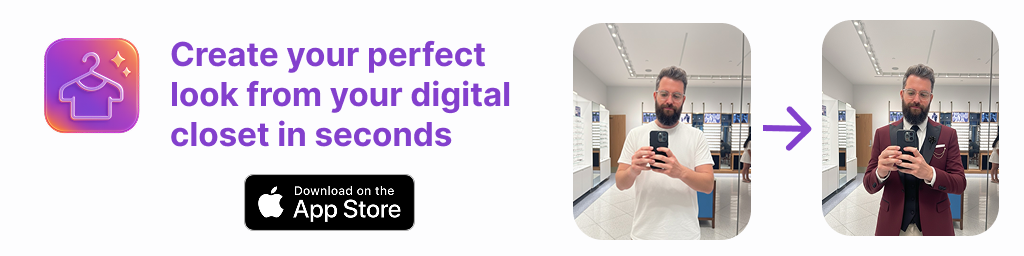
Want to combine virtual try-on, wardrobe cataloging, and collage-ready exports in one place? A gentle option to explore is Outfit Maker—an AI outfit generator and digital wardrobe planner for iOS that lets you upload clothing, virtually try combinations, and plan outfits for different occasions—handy when you’re building polished collages at speed.