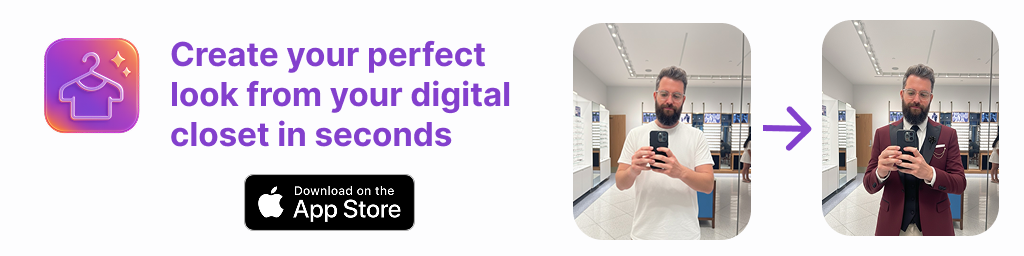
A digital wardrobe app can feel like a “nice to have” until you use one with a clear workflow. Then it becomes the fastest way to answer daily questions like: What can I wear with these shoes? Do I own something similar already? What did I wear to that event last time? The best results don’t come from uploading every item perfectly on day one—they come from setting up a system you’ll actually maintain.
This guide walks through a simple, repeatable process: catalog → tag → outfit-build → plan → review. You’ll also see which features matter most, how to photograph items efficiently, and how to turn your wardrobe data into a reliable outfit rotation.
Why a digital wardrobe app works (when your closet doesn’t)
Physical closets hide information. Items get buried, “special occasion” pieces aren’t remembered, and gaps are hard to spot. A digital wardrobe app solves that by making your wardrobe searchable, comparable, and easier to plan around.
- Faster outfit decisions: filter by weather, dress code, and color without pulling clothes out.
- Smarter shopping: see duplicates and calculate “cost per wear” patterns.
- Better outfit variety: rotate neglected items into real outfits.
- Consistency: your style becomes a system—not a last-minute scramble.
“Planning outfits isn’t about having more clothes—it’s about having better visibility.”
Step 1: Choose your setup goal (don’t start by uploading everything)
Most people quit because they try to digitize their entire closet in one weekend. Instead, define a goal that’s realistic for your lifestyle. Here are three options:
- Daily driver setup (recommended): capture the 25–40 items you wear most, then expand.
- Seasonal setup: digitize only what’s currently in rotation (e.g., spring/summer).
- Event setup: add outfits for an upcoming trip, wedding season, or work travel.
Rule of thumb: if you can search your tops and shoes, you can already build better outfits. Start there.
Step 2: Capture clothing photos quickly (a 30-minute method)
Good photos improve virtual try-on and make outfits feel “real,” but perfection is optional. Your goal is clean, consistent, and searchable.
Fast photo checklist
- Lighting: face a window or bright lamp; avoid harsh overhead shadows.
- Background: plain wall, door, or sheet. Contrast helps (dark background for light clothes).
- Framing: include the full silhouette; keep camera angle consistent.
- One category at a time: photograph all tops, then all bottoms, etc.
Batching approach
Set a timer for 10 minutes and do only one category (like shoes). Upload and tag those before moving on. This keeps your digital wardrobe app usable immediately instead of becoming an endless project.
Step 3: Tag items like a stylist (the minimum viable metadata)
Tags are what turn a photo gallery into a planning tool. The trick is to tag only what you’ll filter by.
The 6 tags that matter most
- Category: tee, blouse, trouser, sneaker, boot, etc.
- Color family: black, white, beige, navy, denim, red, green.
- Season: warm, cool, all-season.
- Dress code: casual, smart casual, business, formal, workout.
- Fit notes: relaxed, tailored, oversized; “needs strapless bra,” etc.
- Comfort score: 1–5 (surprisingly useful when planning busy days).
If your app supports it, add material (cotton, wool, linen) and care (dry clean, delicate) later.
Example tagging schema (copy and customize)
{
  "item": "Black ankle boots",
  "category": "boots",
  "color_family": "black",
  "season": ["cool", "all-season"],
  "dress_code": ["casual", "smart casual"],
  "comfort": 4,
  "fit_notes": "Best with slim/straight pants"
}
Step 4: Build a reusable outfit formula library
Instead of saving hundreds of one-off looks, create a small set of “formulas” you can repeat with different items. A digital wardrobe app makes this easy because you can swap pieces while keeping the structure.
10 outfit formulas that cover most real life
- White tee + straight jeans + clean sneakers + structured layer
- Knit top + wide-leg pants + loafers
- Button-up + denim + ankle boots
- Dress + jacket + boots
- Matching set + minimal shoe
- Blazer + tee + trousers + sneaker
- Tank + skirt + sandal
- Sweater + midi skirt + boot
- Athleisure set + lightweight outerwear
- Monochrome base + one contrast accessory
Once you have formulas saved, your app becomes a “swap engine”: pick a formula, filter by weather/dress code, and substitute items until it feels right.
Step 5: Plan outfits for the week (without overplanning)
The sweet spot is planning 70–80% of your week. Leave room for mood and weather changes, but remove weekday decision fatigue.
A simple weekly routine
- Check constraints: meetings, workouts, dinners, travel, laundry.
- Pick 2 base shoes: one casual, one elevated (this anchors outfits).
- Select 3 bottoms: rotate them to reduce complexity.
- Assign tops by function: comfort day, presentation day, errands day.
- Save 1 “backup outfit”: the easy win for a low-energy morning.
Many users find it helpful to create a mini capsule inside the app each week (10–12 items total). That keeps choices focused while still looking varied.
What to look for in a digital wardrobe app (feature checklist)
Different apps emphasize different strengths: cataloging, styling suggestions, virtual try-on, or planning. Use this checklist to evaluate what will actually change your day-to-day behavior.
| Feature | Why it matters | Best for |
|---|---|---|
| Fast item capture | Lower friction = you’ll keep the wardrobe updated | Busy schedules, big closets |
| Tagging + filters | Makes the closet searchable by weather, dress code, color | Anyone who repeats outfits unintentionally |
| Outfit builder | Creates reusable combinations and quick swaps | Workwear, travel packing |
| Calendar planning | Reduces morning decisions and prevents repeats | Office routines, events |
| Virtual try-on / AI styling | Helps you see proportions and experiment with pairings | Style exploration, outfit confidence |
| Wear tracking | Reveals what you actually use vs. what’s “aspirational” | Closet editing, mindful shopping |
Step 6: Use your data to fix wardrobe gaps (without buying more)
Once your core items are in the app, patterns show up quickly:
- You have many tops but not enough bottoms that match your shoes.
- Your wardrobe is color-clustered (e.g., lots of black/navy) but missing one bridging neutral (like beige or gray).
- You own pieces you love, but they require one missing “connector” item (a layering tee, a belt, a lightweight jacket).
A quick “gap audit” you can do in 10 minutes
- Filter your items by dress code (e.g., work).
- Build 5 outfits using only those items.
- Notice what you keep reusing or what forces awkward pairings.
- Write down one gap (e.g., “comfortable work shoe” or “layering top”).
This prevents impulse shopping because you’re buying to complete outfits, not to add isolated pieces.
Step 7: Keep it updated with a maintenance loop
A digital wardrobe app stays valuable only if it reflects reality. The easiest way is a small habit tied to moments that already happen.
- When you buy something: add it the same day (photo + tags). If you can’t style it into 3 outfits in-app, reconsider keeping it.
- When you wear something: mark it worn or save the outfit (great for repeatable “wins”).
- When you declutter: remove items immediately so your search results stay clean.
Monthly review questions
- Which 10 items did I wear most?
- Which items never got selected—and why (fit, comfort, styling difficulty)?
- Do my saved outfits match my real schedule?
Common mistakes (and how to avoid them)
- Over-tagging: if you won’t filter by it, don’t tag it yet.
- Digitizing “fantasy clothes” first: start with what you truly wear.
- Saving outfits without context: add notes like “rainy day,” “presentation,” or “walking a lot.”
- Ignoring comfort: comfort is a planning constraint, not a personal failure.
Putting it all together: a 5-day example plan
Here’s what a realistic week might look like using a digital wardrobe app:
- Monday (presentation): blazer + knit top + trousers + loafers
- Tuesday (comfort + errands): tee + straight jeans + sneakers + trench
- Wednesday (client lunch): button-up + wide-leg pants + ankle boots
- Thursday (hybrid work): sweater + midi skirt + boots
- Friday (casual): matching set + sneaker + simple jewelry
You’re not inventing outfits daily—you’re selecting from proven structures and rotating items to keep things fresh.
Final takeaway
The best digital wardrobe app is the one that supports a repeatable workflow: capture a core closet, tag minimally, build formulas, plan lightly, and review regularly. Once that loop is in place, features like AI outfit generation and virtual try-on become genuinely useful—not overwhelming.
If you’re exploring iOS options that combine outfit planning with AI-powered visualization, Outfit Maker is one example that supports virtual outfit experimentation while you organize and plan.