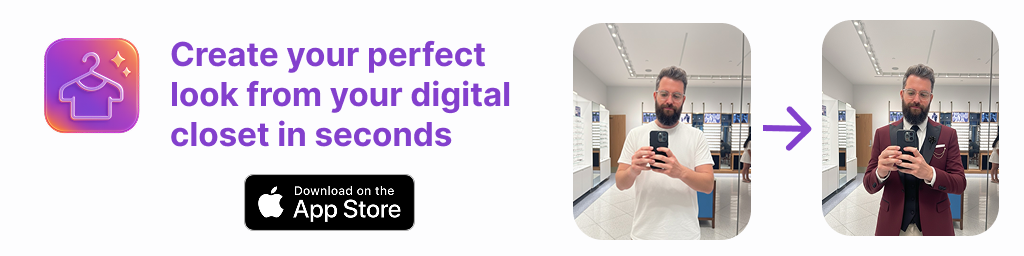
Most closets are full but underutilized. We reach for the same rotation, misjudge weather, forget what we own, and default to last-minute outfits that feel “fine” rather than great. A digital wardrobe app changes that by centralizing your clothes, outfits, and planning in one place. It turns your closet into a searchable, visual system so you can style smarter, not harder.
What Is a Digital Wardrobe App?
A digital wardrobe app is a smart closet and outfit planner on your phone. You photograph clothing, label it with useful details (color, fabric, season, dress code), and then build mix-and-match outfits you can try virtually, save, and schedule. The best tools combine an organizer, a visual outfit builder, virtual try-on, and context-aware recommendations (like weather and calendar) so you can pick great looks in minutes.
Core Features That Matter
- Fast photo capture and background cleanup: Clean, consistent photos make browsing easy. Automatic background removal reduces manual editing.
- Smart garment detection: Automatic recognition of tops, bottoms, dresses, outerwear, and shoes speeds up cataloging.
- Flexible tags and filters: Tag by color, pattern, fabric, occasion, season, and care instructions; then filter by what you need today.
- Outfit builder with templates: Drag-and-drop items into prebuilt formulas like Top + Bottom + Shoes + Layer.
- Virtual try-on or look previews: See how proportions, lengths, and color relationships work before you get dressed.
- Weather and calendar integration: Surface rain-safe shoes, heat-appropriate fabrics, or dress-code-friendly looks.
- Packing lists and trip planning: Build small capsules, assign outfits to days, and avoid overpacking.
- Sharing tools: Save collages, send looks to friends for feedback, and keep a history of what you wore.
- Analytics: Track cost-per-wear, most-used items, closet gaps, and items that need tailoring or replacement.
- Privacy and sync: Secure cloud backup with the option to export your data if you switch devices.
From Closet to Cloud: A Weekend Setup Workflow
Step 1: Capture Your Inventory
Start with what you wear most: everyday tops, bottoms, shoes, and layers. Photograph on a clean background with even lighting. Hang or lay items flat, and shoot from a consistent angle so proportions stay comparable across your catalog.
Step 2: Add Smart Tags
Use a consistent tagging scheme so your digital wardrobe app can power relevant filters. At minimum, tag category, color, season, formality (casual, business casual, formal), and care (machine wash, dry clean). Add fit notes like cropped, high-rise, or oversized so suggestions preserve your preferred silhouette.
Step 3: Build Outfit Formulas
Create reusable blueprints like: Workday (Blouse + Trousers + Flats + Blazer), Weekend (Tee + Jeans + Sneakers + Crossbody), Date Night (Slip Dress + Heels + Clutch + Earrings). Then swap pieces within each formula to generate variations.
Step 4: Plan the Week
Check your calendar and the forecast. Assign outfits for key events, then fill in the rest so your mornings are friction-free. If the weather shifts, adjust with a tap rather than starting over.
Step 5: Review and Iterate
At week’s end, note what worked and what didn’t. Mark uncomfortable shoes, tight waistbands, or overly delicate fabrics for long days. Archive weak combos and promote favorites so your future suggestions improve.
Smarter Tagging: The Language of Your Closet
Good tags power great results. Think of tags as the vocabulary your digital wardrobe app uses to understand style context.
| Tag Type | Examples | Why It Matters |
|---|---|---|
| Category | Top, Bottom, Dress, Outerwear, Shoes, Bag | Structures outfit templates and layering logic. |
| Color & Tone | Black, Navy, Camel, Pastel, Bright, Neutral | Enables color balancing and contrast suggestions. |
| Pattern | Solid, Stripe, Floral, Check, Animal | Prevents pattern clashes; supports print mixing. |
| Fabric | Cotton, Wool, Linen, Silk, Denim, Knit | Guides seasonality and comfort recommendations. |
| Fit & Silhouette | Oversized, Boxy, Cropped, High-rise, Wide-leg | Keeps proportions harmonious across pieces. |
| Occasion | Casual, Business Casual, Formal, Athleisure | Aligns outfits with dress codes and events. |
| Season | Warm, Cool, All-season | Filters for forecast-specific picks. |
| Care | Machine Wash, Hand Wash, Dry Clean | Avoids fragile items on high-activity days. |
If you like a more structured schema, you can define a minimal tag system and expand as needed:
# closet-tags.yml
category: [top, bottom, dress, outerwear, shoes, bag, accessory]
color: [neutral, dark, light, bright]
pattern: [solid, stripe, check, floral, abstract]
fit: [slim, regular, relaxed, oversized]
season: [warm, cool, all-season]
occasion: [casual, business-casual, formal, evening]
care: [machine, hand-wash, dry-clean]
notes: free-text
Mix-and-Match Science: Color, Fit, and Proportion
- Contrast control: Pair high-contrast tops and bottoms for sharper looks (e.g., white tee + black trousers), or go low-contrast for a taller, streamlined effect (camel knit + tan trousers).
- Rule of thirds: Visually divide your outfit into 1/3 and 2/3 segments. Cropped jackets over high-rise trousers, or tucked tops with mid-rise skirts, usually read balanced.
- Anchor with shoes: Repeating a color from your top or accessories in your shoes creates cohesion without over-matching.
- Texture layering: Combine matte and sheen (wool blazer + silk camisole), or smooth and tactile (denim + cashmere), to add depth on camera and in person.
- Print strategy: Keep one hero pattern and let everything else support it, or match two prints by scale (large floral + micro stripe) in a shared palette.
Style tip: When in doubt, create a “core” column of color (top and bottom in similar tones) and add contrast with your layer and shoes. It flatters most body types and photographs well.
Weather, Calendar, and Context-Aware Dressing
A digital wardrobe app shines when it understands your day. Rain on the forecast? It should prioritize water-resistant outerwear and leather sneakers over suede. Back-to-back meetings? It can show polished flats, breathable fabrics, and a blazer you can remove. Evening dinner? Swap the tote for a small structured bag and add a light layer if temperatures drop.
Context-aware filtering isn’t just convenience—it reduces decision fatigue by removing unsuitable options before you even begin.
Virtual Try-On: Getting Realistic Results
To get believable try-ons and accurate proportions:
- Photo consistency: Use the same lighting and distance for your clothing photos. Avoid extreme angles.
- Body reference: If the app supports body measurements or reference photos, set them up carefully for better fit simulation.
- Fit notes: Add notes like “runs large” or “needs a belt.” The app can surface those reminders when you build outfits.
- Layer order: Ensure your tops, layers, and outerwear are correctly categorized; virtual stacking looks much more realistic.
Sustainability and Budget: Calculate Your Style ROI
The right digital wardrobe app helps you buy less and wear more. Track cost-per-wear and identify gaps so new purchases fill a real need. Over time, you should see a higher percentage of your closet in active rotation.
| Metric | Before | After | Why It Matters |
|---|---|---|---|
| % of Closet Worn Monthly | 20–30% | 50–70% | Better usage reveals true favorites and gaps. |
| Average Time to Pick an Outfit | 10–15 min | 2–5 min | Saves mornings; reduces decision fatigue. |
| Cost per Wear (Key Items) | $5–$15 | $1–$4 | More repeats lower effective cost. |
| Return Rate on New Buys | High | Lower | Better compatibility checks pre-purchase. |
Privacy, Backup, and Portability
Your closet is personal. Look for local processing of sensitive photos when possible, clear data policies, and easy export options. Cloud backup should be secure and allow seamless device switching. If you ever move on, you should be able to take your data with you.
Buyer’s Checklist: How to Choose the Right App
| Question | What to Look For | Why It Helps |
|---|---|---|
| Is item capture fast? | Batch import, auto background removal | Onboards your closet in hours, not weeks. |
| Are tags flexible? | Custom fields, bulk editing, smart filters | Adapts to your style and climate. |
| Does it plan with context? | Weather + calendar sync, packing mode | Makes smarter, real-life outfits. |
| How realistic are try-ons? | Accurate layering, proportionally correct previews | Confidence before you dress. |
| Can I share and collaborate? | Export looks, private links, comments | Get quick feedback when it counts. |
| What insights do I get? | Cost-per-wear, usage heatmaps, gap analysis | Buy better, repeat winners, cut clutter. |
| Is my data safe? | Clear privacy policy, secure backup, export | Control and continuity for your closet. |
7-Day Quick-Start Plan
- Day 1: Photograph your top 20 core pieces (favorite tops, bottoms, shoes).
- Day 2: Tag each item with category, color, season, occasion, and fit notes.
- Day 3: Build three outfit formulas you can reuse all month.
- Day 4: Create five weekday outfits using the forecast and your calendar.
- Day 5: Add accessories and layers to elevate each look; save alternates.
- Day 6: Identify gaps (e.g., neutral belt, rain-ready boots) and wishlist intentionally.
- Day 7: Review what you wore this week; archive misses and star favorites.
Frequently Asked Questions
How many photos do I need to start?
Start with 20–30 items you wear most. That’s enough for a week of outfits and momentum. Add specialty pieces later.
What if my lighting isn’t great?
Photograph near a window with indirect light or use a simple ring light. Consistency matters more than perfection.
Can a digital wardrobe app help me stop impulse buys?
Yes. By previewing outfits with your current closet, you can see if a new piece actually fills a gap or duplicates what you own.
Do I need virtual try-on?
It’s not required, but it’s helpful for proportion and layering decisions. If you prefer mood-board style, look for crisp outfit collages.
The Bottom Line
A digital wardrobe app transforms your closet from a pile of possibilities into a purposeful system. With clean photos, smart tags, and context-aware planning, you’ll dress faster, repeat your best looks more often, and buy only what you’ll truly wear. If you’re on iPhone and want a polished, realistic try-on and planner in one, you can explore Outfit Maker.