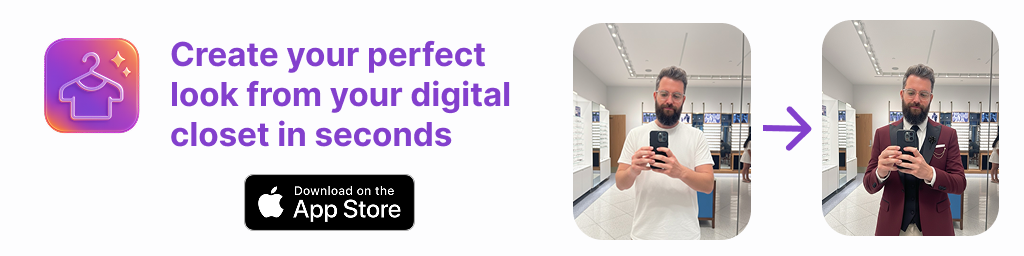
A digital closet app can make getting dressed simpler, faster, and more intentional. Instead of staring at a crowded rail of clothes and thinking, “I have nothing to wear,” you can see what you own, create outfit combinations, and plan looks for the week ahead. But the results depend on how you use the app.
Many people start enthusiastically, upload a few photos, and then stop using their digital wardrobe within a month. Usually, the problem is not the technology. It is an overly complicated setup, incomplete information, or a system that does not fit real life. Avoiding a few common digital closet app mistakes can turn a one-time wardrobe project into a practical fashion planning habit.
1. Trying to Catalog Everything in One Session
The most common mistake is treating wardrobe digitization as a single giant task. Photographing every T-shirt, pair of shoes, accessory, and seasonal item in one weekend can quickly become exhausting. When the process feels like a chore, it is easy to abandon it before the digital wardrobe becomes useful.
Start with the items you wear most often instead. Think about the clothes you reach for during a typical week: work trousers, casual tops, outerwear, favorite shoes, bags, and reliable layers. This small collection gives you enough material to begin planning outfits immediately.
A more realistic cataloging approach
- Add your 20 to 30 most-worn items first.
- Include shoes and outerwear early, since they complete many outfits.
- Add occasion-specific clothing when you need it.
- Set aside 10 minutes each week to upload a few more pieces.
A digital closet does not have to be complete to be valuable. A useful, partial closet is better than an unfinished “perfect” catalog.
2. Using Poor or Inconsistent Clothing Photos
Photos are the foundation of any digital wardrobe. Blurry images, dark lighting, cluttered backgrounds, and inconsistent angles make it harder to recognize garments at a glance. They can also reduce the quality of visual outfit planning and virtual try-on results.
You do not need professional studio photography. Natural daylight, a plain wall, and a consistent format are usually enough. Lay flat items on a clean surface or photograph them hanging against a neutral background. Capture the full garment, not just the most interesting detail.
| Photo Problem | Why It Causes Trouble | Better Approach |
|---|---|---|
| Dark or yellow lighting | Colors look inaccurate | Use daylight near a window |
| Busy background | Clothes are harder to identify | Use a plain wall, door, or floor |
| Cropped garment | You cannot judge proportions | Include the entire item in frame |
| Mixed photo styles | Your closet looks visually confusing | Use one consistent angle and background |
Good photos are not about aesthetics alone. They help you accurately compare colors, silhouettes, and outfit proportions before you get dressed.
3. Skipping Categories, Tags, and Details
Another major digital closet app mistake is uploading photos without adding basic information. A gallery full of clothing images may look organized at first, but it becomes difficult to search when you need “black trousers for a business dinner” or “comfortable shoes for rain.”
Tags turn a photo collection into a functional smart closet organizer. At minimum, add categories such as tops, bottoms, dresses, shoes, outerwear, bags, and accessories. Then use a few practical descriptors that reflect how you actually choose clothes.
Useful tags to add
- Color: black, cream, navy, olive, red
- Season: warm weather, cold weather, transitional
- Occasion: work, casual, date night, travel, formal
- Fit: oversized, fitted, relaxed, cropped, wide-leg
- Comfort: all-day, walking-friendly, low-maintenance
- Care: machine washable, dry clean, delicate
Do not over-tag every item with dozens of labels. The goal is fast retrieval, not a complicated inventory database. Use the same naming system each time so searches remain consistent.
4. Forgetting Shoes, Accessories, and Layers
A top-and-bottom catalog is not a complete wardrobe system. Shoes, bags, belts, jewelry, jackets, and knitwear can change an outfit more than another shirt can. Leaving them out makes your outfit suggestions feel unfinished and may lead you to overlook combinations you already own.
For example, black jeans and a white shirt can look casual with sneakers, polished with loafers, or evening-ready with heeled boots and statement jewelry. A digital wardrobe should help you see these variations, especially when you are planning for an event or packing for a trip.
Prioritize the accessories that you repeatedly use. You do not need to upload every pair of socks, but your go-to shoes, everyday bags, weather layers, and special-occasion pieces should be visible in your app.
5. Creating Unrealistic Outfit Combinations
Digital fashion planning is exciting because it lets you experiment without changing clothes repeatedly. However, an outfit that looks balanced on screen may not work in your real routine. It might be too warm for commuting, impractical for walking, unsuitable for your workplace, or uncomfortable after two hours.
Build outfit choices around context, not only visual appeal. Before saving a look, ask a few simple questions:
- What will the weather be like?
- Will I be sitting, walking, traveling, or standing for long periods?
- Do I need a coat, an extra layer, or a larger bag?
- Is there a dress code?
- Have I worn these pieces together comfortably before?
Using occasion and weather tags helps prevent these issues. It also creates more trustworthy recommendations when you use an AI outfit generator or virtual try-on feature.
6. Not Updating the Digital Wardrobe
Your closet changes constantly. You buy a new sweater, donate jeans that no longer fit, repair a favorite jacket, or move seasonal clothes into storage. If your digital closet stays frozen in the past, it eventually stops being reliable.
A simple maintenance routine keeps the system useful. When you purchase something new, add it within a few days. When you donate, sell, or retire an item, remove it or mark it unavailable. At the start of each season, review pieces that are stored away and update their availability.
This habit has an extra benefit: it makes shopping more intentional. Before buying another black blazer or beige knit, you can check whether you already own a similar item. Seeing your wardrobe clearly can reduce duplicate purchases and reveal genuine gaps.
7. Ignoring What You Actually Wear
Some users build beautiful collections of saved outfits but never record which looks they wore. That misses one of the most useful parts of a digital closet app: learning from your real wardrobe behavior.
Track worn outfits when possible, even with a quick note. You may discover that you wear the same five pieces repeatedly, avoid certain fabrics, or save formal outfits that never leave the screen. These patterns are valuable data for future shopping and style decisions.
Your best wardrobe is not the one with the most possibilities. It is the one that makes your preferred possibilities easy to repeat.
If an item is consistently unworn, investigate why. It may need tailoring, a better styling partner, a different occasion, or a place in the donation pile. This turns your digital closet into a tool for editing your wardrobe, not merely documenting it.
8. Depending on AI Suggestions Without Personal Judgment
AI-powered styling can be helpful when you feel stuck, want fresh combinations, or need to visualize clothing before getting dressed. Still, automated suggestions should support your decisions rather than replace them. Technology cannot fully know your comfort preferences, workplace culture, body confidence, sentimental attachment to certain pieces, or mood on a particular day.
Use AI outfit ideas as a starting point. Save the combinations you like, adjust the details, and make notes about what worked in real life. If an outfit recommendation is visually interesting but not “you,” skip it. Personal style develops through selective experimentation, not blind acceptance.
9. Making the System Too Complicated to Use Daily
A detailed digital wardrobe can be satisfying, but too many rules create friction. If adding an item requires twenty tags, a purchase date, fabric composition, brand, price, laundry notes, and multiple photos, you may stop updating the app altogether.
Choose the smallest amount of information that helps you make better decisions. For most people, a photo, category, color, season, and occasion are enough at first. Add more details only when they solve a real problem, such as tracking cost per wear or locating dry-clean-only items.
The best system is the one you can maintain during a busy week.
How to Build a Digital Closet That Stays Useful
A strong digital wardrobe is simple, current, and based on your daily life. Focus on progress rather than perfection. Use clear photos, practical tags, realistic outfit planning, and a short maintenance routine. Then review what you wear to make smarter decisions about styling, shopping, and decluttering.
If you want to make the process more visual, an app such as Outfit Maker can help combine a digital wardrobe with virtual try-on and outfit planning tools. Whatever platform you choose, avoiding these digital closet app mistakes will help you create a wardrobe system that saves time and helps you wear more of what you already own.