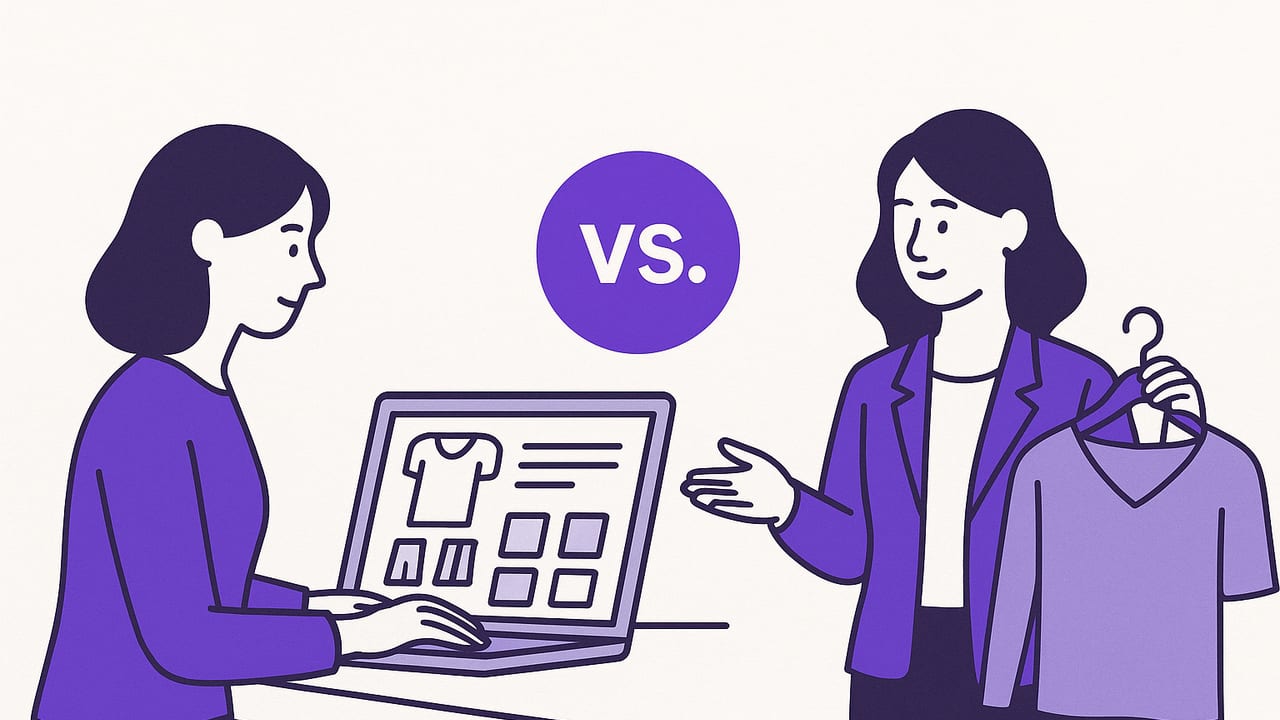
If you want better outfits with less effort, you’re likely weighing two clear paths: using a wardrobe planner (often an app that catalogs your closet and suggests looks) or hiring a personal stylist (a human expert who advises on fit, color, and shopping). Both aim to reduce decision fatigue and help you wear more of what you own, but they differ in cost, privacy, learning, and results. Below, we compare the approaches so you can match the right tool to your goals, budget, and lifestyle.
Why compare wardrobe planner vs personal stylist now?
Between remote work, event-heavy weekends, and sustainability goals, many people want a system that makes getting dressed simpler without constant shopping. Wardrobe planners centralize your closet, track outfits, and often propose combinations you might not see on your own. Personal stylists bring nuanced fit advice, edit your closet with a trained eye, and can guide key purchases. The best choice depends on whether you prioritize cost savings, speed, custom expertise, or long-term style learning.
Quick definitions
Wardrobe planner: A digital tool that organizes your clothes (often with photos), builds outfits, and can recommend looks by weather, occasion, or color rules. Many include virtual try-on from photos, packing lists, and analytics like cost-per-wear.
Personal stylist: A professional who evaluates your lifestyle, body proportions, and color palette; edits your wardrobe; and provides personalized outfit plans and shopping recommendations. Sessions can be in person or virtual.
Side-by-side comparison
| Factor | Wardrobe Planner | Personal Stylist |
|---|---|---|
| Typical cost | Free–$20/month (some one-time fees) | $75–$300+/hour; packages $500–$2,500+ |
| Time to value | Immediate; faster after initial photo catalog | High early value after consult and closet edit |
| Deliverables | Outfit ideas, closet database, lookbooks, stats | Style strategy, curated outfits, shopping lists, tailoring notes |
| Fit expertise | Rule-based guidance; user-driven adjustments | Human nuance for proportion, drape, and tailoring |
| Privacy | Private, on your phone; you control images | Requires sharing body and wardrobe with a pro |
| Learning curve | Low to moderate (photographing items helps) | Low; the stylist drives, you learn by doing |
| Consistency | Always available; standardized recommendations | Highly personalized; depends on stylist availability |
| Sustainability | Optimizes existing pieces; tracks wear | Promotes intentional buys; tailoring to extend life |
| Accessibility | Global, 24/7; supports many budgets and sizes | Varies by location, specialization, and rates |
Cost and ROI: not just what you pay, but what you keep
With a wardrobe planner, hard costs are low. The largest investments are your time to photograph items and your consistency in using the system. The payoff usually comes from rewearing pieces more creatively, spotting duplicates, and avoiding impulse buys.
A personal stylist carries a higher upfront fee but may deliver immediate ROI: a focused closet edit that surfaces strong outfits you already own, a short list of gap-filling purchases, and guidance that prevents costly misfires. Many clients recoup fees by avoiding one or two misguided shopping sprees.
Example budget scenarios
- Budget-conscious refresh: Spend $60 on three months of an app, invest two hours cataloging essentials, and recover the cost by rewearing five neglected items ten times each.
- High-stakes event or career pivot: Invest $800 in a stylist package to define a new palette, tailor key items, and buy three strategic pieces that create 15 mix-and-match looks.
Time and workflow: what actually happens
Using a wardrobe planner
- Catalog: Photograph tops, bottoms, layers, shoes, and accessories. Tag by color, dress code, season.
- Build looks: Use templates or AI suggestions. Save favorites by occasion.
- Refine: Track what you wear and rate comfort/fit to improve suggestions over time.
- Plan: Create a weekly outfit calendar or a packing capsule with pre-approved looks.
Working with a personal stylist
- Consult: Discuss lifestyle, sizing, color preferences, body changes, and budget.
- Closet edit: Keep, tailor, donate, or sell. Identify gaps.
- Outfit creation: Stylist builds looks from what you own and photographs them for a lookbook.
- Shopping plan: Curated links or in-store session. Tailoring recommendations included.
“The best system is the one you’ll actually use. Choose the method that fits your personality, schedule, and goals.”
Quality of outcomes: fit, cohesion, confidence
Wardrobe planners excel at consistency: they will surface combinations you might never consider, keep your color palette tight, and remind you of pieces you forget. If your challenge is decision overload or underutilized clothes, this method shines—especially with virtual try-on to preview silhouettes before committing.
Personal stylists bring human nuance. They see posture, movement, and proportion: how a fabric falls, where a hem should hit, and which alterations transform “fine” into “flattering.” If you struggle with fit, proportion, or a major life transition (new role, postpartum, weight changes), the human eye can be decisive.
Privacy, accessibility, and inclusivity
Wardrobe planners can be completely private; you control what’s uploaded and what’s shared. They’re available 24/7 and generally size-inclusive because they work with your actual clothing. Personal stylists often offer inclusive services, but availability, rates, and specialization vary by region. If you prefer not to model clothing for someone, an app keeps everything on your device. Conversely, if trying on outfits with encouragement and coaching boosts your confidence, a stylist creates a supportive environment.
Sustainability and shopping behavior
Both approaches can lower fashion waste but in different ways. Wardrobe planners encourage repeat wear and spotlight what you already own; analytics like “cost per wear” make it easy to track progress. Stylists promote intentional purchases and fitting garments to extend their life. If your main goal is a no-buy or low-buy year, planners provide structure. If you need to rebuild a foundation wardrobe efficiently, a stylist can minimize trial-and-error.
When a hybrid approach wins
Many people combine both: hire a stylist to set strategy and tailor fit, then maintain the system with a wardrobe planner. This hybrid maximizes early transformation and long-term consistency. For example, a new manager might work with a stylist to define a smart-casual uniform and then use an app to calendar weekly outfits and refine seasonal capsules.
Decision guide: choose your best-fit path
Choose a wardrobe planner if you:
- Want the lowest cost and maximal privacy.
- Own plenty of clothes but feel you’re “not seeing” outfits.
- Like data and repeatable systems (capsules, packing lists, outfit calendars).
- Are motivated to experiment and log what works over time.
Choose a personal stylist if you:
- Need fast, expert results for a promotion, photoshoot, or major life change.
- Struggle with fit, proportion, or tailoring decisions.
- Prefer hands-on coaching and curated shopping to save time.
- Want a style strategy and color palette customized to you.
Questions to clarify your choice
- Is your main constraint budget, time, or know-how?
- Do you want a system you run, or a guide who leads?
- Are you primarily optimizing what you own, or rebuilding key categories?
- Would you rather keep your process private or collaborate closely?
FAQs
Are virtual stylists the same as wardrobe planners?
Not exactly. Some services pair you with a human stylist via chat or video; others are tools that suggest outfits from your catalog. A few platforms blend both. Clarify whether you’re paying for human expertise, software features, or both.
Can a planner replace professional fit advice?
A planner can help visualize silhouettes and color harmony, but tailoring decisions—like adjusting shoulder width, hem length, or jacket suppression—benefit from a trained eye. If fit is your main pain point, consider at least one session with a stylist or an experienced tailor.
What about special events or dress codes?
For weddings, interviews, or formal galas, a stylist can cut the learning curve and prevent last-minute stress. A planner is still helpful for testing accessories, coordinating with existing pieces, and packing backup options.
What if my body is changing?
A wardrobe planner helps you track what currently fits and assemble outfits around flexible pieces. A stylist can refine proportions during transitions and prioritize alterations that extend garment life without constant repurchasing.
Getting started: a simple roadmap
If you lean toward a wardrobe planner
- Start small: Photograph 25–40 most-worn items first.
- Tag smartly: Color family, dress code, season, and fit notes.
- Build formulas: For example, “neutral base + color layer + texture” or “structured top + relaxed bottom.”
- Review weekly: Rate comfort and confidence after each wear; refine your capsules.
If you lean toward a personal stylist
- Define the brief: Three adjectives for your ideal look, target settings (work, date, travel), realistic budget.
- Prep the closet: Bring all-season basics into view; note where you feel most confident.
- Document: After your session, save photos of outfits and tailoring notes. Create a short shopping list by priority and budget.
- Maintain: Revisit quarterly or seasonally to update looks and fill gaps intentionally.
Bottom line
If you want a low-cost, private, always-on system that maximizes the clothes you already own, a wardrobe planner is hard to beat. If you want nuanced fit guidance and rapid transformation for a new role, body, or event, a personal stylist pays dividends. Many people find a hybrid works best: expert setup followed by consistent, data-driven maintenance.
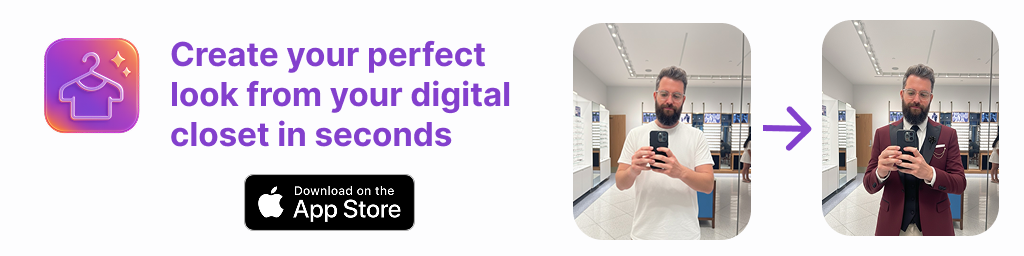
For those leaning toward a planner—especially on iPhone—tools with realistic AI try-ons and side-by-side outfit comparison can accelerate learning. One option is Outfit Maker, an iOS wardrobe planner that lets you catalog your closet, virtually try on pieces from photos, and plan looks for any occasion.