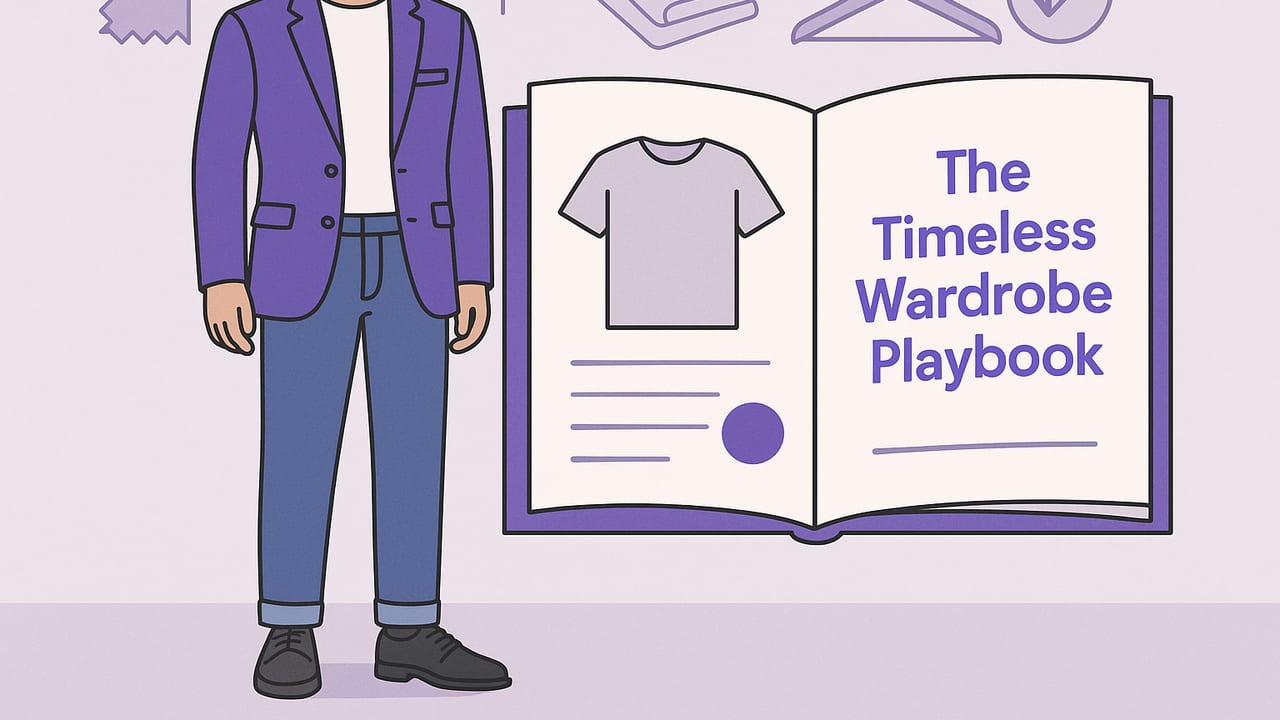
Trends shift fast, but great style outlives the season. If you’ve ever opened your closet and felt overwhelmed by options that suddenly feel dated, you’re not alone. The solution is simpler than it seems: prioritize clothing that never gets old. These are pieces designed to work hard, mix easily, and look relevant year after year—regardless of what’s trending on social feeds.
This guide distills the principles of timeless dressing into practical steps you can use today: how to identify durable fabrics and construction, what silhouettes stay in style, how to care for garments so they last, and smart formulas to build more outfits with fewer pieces.
What “Clothing That Never Gets Old” Really Means
Clothing that stands the test of time usually shares a few traits:
- Clean, balanced silhouettes: Neither extreme nor gimmicky; lines that skim the body without clinging.
- Quality fibers and finishes: Natural fabrics or durable blends, neat stitching, and hardware that doesn’t feel flimsy.
- Repairable and maintainable: Buttons, zippers, hems, and soles that can be mended or replaced.
- Versatile colorways: Neutrals and classic hues that pair easily across outfits and seasons.
- Stable cultural cues: Styles with decades of history—think trench coats, loafers, straight-leg trousers.
- Seasonless weight or easy layering: Pieces that adapt with underlayers or outerwear.
The “Forever Fifteen”: Pieces That Earn Their Keep
You don’t need them all. Use this as a menu and select what fits your lifestyle and climate.
- White Oxford or poplin shirt: Dress it up with a blazer or down with denim.
- Breton stripe tee or solid crewneck tee: A reliable base layer with visual interest.
- Navy or charcoal blazer: Structured enough for polish, relaxed enough for smart-casual.
- Trench coat or mac: Weather-resistant and sharp over everything.
- Dark straight-leg denim: Minimal whiskering; go for sturdy weight and a mid-rise.
- Black or charcoal tailored trousers: Flat front, light break at the shoe for longevity.
- Cashmere or merino crewneck: Fine-gauge knits layer well and resist dating.
- Leather jacket (bomber or moto, minimal details): Avoid heavy embellishment; focus on quality hide.
- Little black dress or simple sheath: Clean neckline, knee-skimming hem.
- White leather sneakers: Low-profile, with replaceable insoles and cleanable uppers.
- Loafers or derbies: Goodyear welt or stitchdown construction for resoling.
- Suede or leather ankle boots: Straight shaft, almond or round toe.
- Wool overcoat (camel, navy, or charcoal): Classic lapels, knee length.
- Silk scarf or square: Adds color and polish without committing to a trend.
- Simple leather belt and tote: Minimal logos; hardware that matches your jewelry.
Fabric and Construction: How to Spot Quality Fast
Timeless style starts with materials that age beautifully.
- Fiber content: Favor wool, cotton, linen, silk, and responsible blends (e.g., wool with a touch of elastane). Avoid high plastic content in structured garments if longevity is your goal.
- Fabric weight and density: Heavier cottons (e.g., 200+ GSM tees), tight weaves in shirting, and sturdy denim (12–14 oz) keep shape better.
- Seams and stitching: Look for even stitches, reinforced stress points, and clean seam allowances; shirts should align stripes or checks at seams.
- Linings and canvassing: Blazers with half or full canvassing drape and age better than fused options; skirt linings reduce cling and wrinkles.
- Hardware and trims: Real horn or mother-of-pearl buttons, YKK/RiRi zippers, metal zips on jackets, and leather pulls signal durability.
Timeless vs. Trend-Driven: A Quick Comparison
| Attribute | Timeless Choice | Trend-Driven Choice |
|---|---|---|
| Silhouette | Straight, slightly relaxed, tailored | Ultra-oversized or ultra-skinny |
| Color | Navy, black, white, grey, camel | Neon, hyper-saturated seasonal colors |
| Fabric | Natural fibers, tight weave | Thin synthetics, novelty textures |
| Details | Minimal, functional | Exaggerated, decorative-only |
| Prints | Breton stripes, subtle checks | Oversized logos, one-season motifs |
| Rise/Length | Mid-rise, classic hems | Extreme high/low rises, micro/maxi extremes |
| Branding | Discrete or none | Large logos, monograms |
| Lifespan | Years, easy to repair | Months, hard to restyle |
Fit and Silhouette: Your Insurance Against Dating
Even the best fabric won’t save a poor fit. Aim for these time-tested proportions:
- Shoulders: Seams should end where your natural shoulder ends—no dips; no pull.
- Sleeves: Cuff at the wrist bone for shirts and jackets; allow a half-inch of shirt cuff under blazers.
- Trousers: A mid-rise sits comfortably at the natural waist; straight or slightly tapered legs skim without clinging.
- Hems: Jeans with a single clean break at the shoe; dresses and skirts that hit around the knee for flexible styling.
- Jackets: Body skims the torso; you can layer a thin knit underneath without strain.
Color and Pattern Strategy That Doesn’t Age
Build a consistent base, then layer accents sparingly.
- Start with a neutral core: Black, navy, grey, white, camel, olive. These combine nearly frictionlessly.
- Add one or two accent colors: Burgundy, forest, powder blue—repeat them across accessories for cohesion.
- Mind pattern scale: Small to medium stripes and checks are safer long-term than oversized motifs.
- Coordinate metals: Matching belt buckles, watch, and jewelry harmonize an outfit without shouting.
A timeless outfit is 80% clean foundation, 20% personal signature. Keep the base classic and let details express you.
Care, Repair, and Storage: Make “Never Gets Old” Literal
Most garments age prematurely from poor care, not poor design. A simple routine extends life dramatically.
- Wash cold and gentle: Turn inside out, use mesh bags for knits, avoid overdosing detergent.
- Air dry when possible: Heat degrades elastic and accelerates fading; hang knits flat to avoid stretching.
- Steam, don’t scorch: A handheld steamer preserves fibers better than frequent high-heat ironing.
- Depill and defuzz: A sweater comb or fabric shaver revives knits and coats.
- Protect with cedar or lavender: Store wool in breathable bags; rotate off-season pieces clean and dry.
- Mend early: Reinforce buttons, re-stitch loose seams, patch elbows; resoling quality shoes doubles their lifespan.
Cost-Per-Wear: The Math Behind Timeless Purchases
One reason clothing that never gets old is worth it: lower cost per wear (CPW). Here’s the quick formula:
CPW = Total Cost ÷ Number of WearsExample: A $240 blazer worn 60 times over two years has a CPW of $4. A $60 trend jacket worn 6 times before it feels dated has a CPW of $10. Quality often saves money in practice, not just in theory.
Seasonal Refresh Without Replacing Everything
Keep your base and rotate accents:
- Spring: Swap heavier knits for cotton tees; add a silk scarf and loafers.
- Summer: Roll sleeves, cuff chinos, switch to linen shirts; keep a neutral tote.
- Autumn: Layer a merino crewneck under a blazer; bring back ankle boots.
- Winter: Overcoat plus chunky scarf; thermal layers under timeless shells.
Micro-adjustments—belt swaps, cuffed hems, a different texture—create novelty without buying into short-lived trends.
A Mini Capsule Built on Clothing That Never Gets Old
Try this 8-item mix to unlock 20+ outfits with minimal effort:
- White Oxford shirt
- Breton stripe tee
- Navy blazer
- Dark straight-leg denim
- Black tailored trousers
- Camel trench coat
- Merino crewneck (grey)
- White leather sneakers
Add loafers and an ankle boot for dress options. With these, you can form pairings for office, dinner, travel days, and weekends by simply rotating top, layer, and shoe. The key is cohesion: a tight palette and compatible silhouettes.
Common Mistakes That Accidentally Date Your Look
- Overly distressed finishes: Rips, heavy fading, or acid washes have short shelf lives.
- Extreme proportions: Ultra-wide or ultra-tight shapes tend to swing out of fashion quickly.
- Shiny synthetics in tailoring: Cheap sheen reads as dated; matte or subtle luster ages better.
- Visible, oversized logos: Brand-forward pieces timestamp your outfit to a specific season.
- Neglected upkeep: Pilled knits, scuffed shoes, and missing buttons undo otherwise classic styling.
- Buying duplicates before testing: Wear one item heavily first; if it proves versatile and durable, then consider a backup.
Smart Shopping Checklist
Use this quick checklist in-store or online to filter for long-term value:
- Does the silhouette skim the body without extremes?
- Is the fabric substantial, with a tight weave or quality knit?
- Are seams straight and stress points reinforced?
- Is the color part of your core palette?
- Can you style it in at least five outfits you already own?
- Would you pay to repair it? If not, it may not be durable enough.
Try Before You Buy—Digitally
Before committing, simulate outfits to confirm fit and versatility. Photograph your closet, test combinations, and preview how garments layer with your existing pieces. An iOS app like Outfit Maker can help you virtually try on items, plan looks for occasions, and build a digital wardrobe so your timeless pieces get the wear they deserve.
Putting It All Together
Clothing that never gets old isn’t a mystery—it’s a method. Choose balanced silhouettes, reliable fabrics, and repairable construction. Keep colors cohesive and patterns restrained. Treat maintenance as part of the investment. Use cost-per-wear to steer purchases, and plan outfits so your garments work harder. Build slowly, buy thoughtfully, and you’ll find that your closet stays fresh—without chasing every trend.