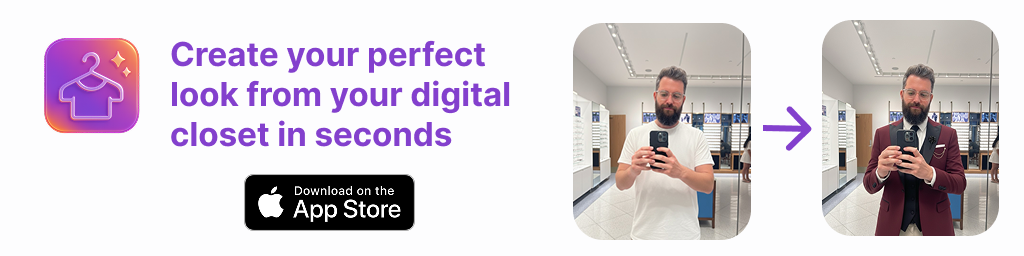
Choosing clothes for a trip can take longer than packing them. You might have a full closet but still wonder whether an outfit suits the weather, works for the day’s plans, or can be worn with another piece. The best trip outfit planner makes those decisions easier by helping you match clothing to real activities and see combinations before you leave.
The right option depends on how you like to plan. A simple itinerary and packing list may be enough for a short visit. For a longer trip, a digital wardrobe can make it easier to build outfits from clothes you already own. An AI outfit generator or virtual try-on can help you visualize combinations, but it should be treated as a styling aid—not a guarantee of fit, comfort, or fabric performance.
What makes a trip outfit planner useful?
A travel planner is most helpful when it reduces repeat decisions. Instead of packing a separate look for every possible moment, you can connect garments to your itinerary and reuse versatile pieces. A useful planner should help you answer three practical questions: What will I wear for each activity? Which items can work in more than one outfit? What still needs to be packed?
Look for an approach that reflects your actual wardrobe, destination, and schedule. A list of generic outfit ideas may be inspiring, but it can leave you with the harder task of finding similar pieces and checking whether they coordinate. Planning from your own garments keeps the decisions grounded in what you can take.
Features to look for when comparing options
There is no single best trip outfit planner for every traveler. Compare tools and methods by how well they support your planning style, rather than choosing based on the number of features.
- Your own clothing: A digital closet or wardrobe catalog lets you work with items you already have instead of relying only on sample looks.
- Outfit combinations: You should be able to see which tops, bottoms, layers, and shoes might work together, then keep track of the combinations you like.
- Trip context: Plans are easier to evaluate when you consider activities, expected weather, dress codes, and how much walking a day involves.
- Visual planning: Photos, outfit boards, or AI-assisted visualization can make a combination easier to assess than a written list alone.
- Rewear visibility: A planner should make it easy to notice when one jacket, pair of trousers, or pair of shoes can support several looks.
- Practical packing review: A final list helps you check that the items in your planned outfits are actually in your suitcase.
These features do not need to live in one app. You can use a notes app, a spreadsheet, photos of outfits, or a digital wardrobe. The best setup is the one you will use consistently and can review quickly while packing.
Planner methods at a glance
| Planning method | Works well for | What to keep in mind |
|---|---|---|
| Notes or checklist | Short trips and straightforward schedules | Easy to start, but outfit combinations may be hard to picture. |
| Photo-based outfit board | Travelers who like visual references | Can show looks clearly, though you may need to organize photos yourself. |
| Digital wardrobe | Trips with multiple activities or repeat-wear planning | Cataloging clothes takes some setup, but gives you a visual record of your options. |
| AI outfit generator or virtual try-on | Exploring combinations from wardrobe photos | Useful for style visualization; not a reliable measure of exact fit or material behavior. |
A three-day example: plan around activities, not outfit counts
Imagine a three-day city break with a lot of walking, one casual dinner, and a chance of cool evenings. Rather than packing three entirely separate outfits, start with the schedule. You might need a comfortable daytime look for each day, a slightly polished dinner option, and a layer for changing temperatures.
Now choose a small group of garments that can cover those needs: two tops, one pair of jeans, one more polished bottom, comfortable walking shoes, an alternative shoe if you have room, and a light jacket or cardigan. The exact pieces depend on your climate and personal style. The goal is not to follow a fixed capsule formula; it is to make sure the items you select have a purpose and can be combined.
- Day one: Wear the first top with jeans and walking shoes. Add the light layer for the evening.
- Day two: Pair the second top with the polished bottom for daytime, then reuse that combination for dinner if it suits the setting.
- Day three: Rewear the jeans with the second top, or switch the layer and shoes to create a different feel.
This plan gives you several looks without assuming that every item must be worn only once. Before packing, check whether the shoes are suitable for the amount of walking and whether the layer makes sense for the forecast. If laundry is available or you are comfortable rewearing an item, that may change how many pieces you need. If not, build the plan around clean clothing for each day.
A visual planner can help you spot a missing combination. For instance, you may realize the polished bottom only works with one top, or that your chosen jacket clashes with the shoes you planned to wear. Catching that at home is easier than discovering it while getting dressed on the trip.
How to decide what to wear faster
- Write down the fixed details. Note travel dates, planned activities, dress expectations, and any special events. Use a forecast as a guide, then check it again closer to departure because conditions can change.
- Group days by what they require. A museum day, a long walking tour, and a formal dinner have different needs. Grouping similar days helps you avoid planning from scratch each time.
- Start with shoes and outer layers. These can have a major effect on comfort and on which outfits are practical. Consider walking distance, terrain, and temperature before choosing the rest.
- Select adaptable garments from your closet. Pick pieces that suit the activities and coordinate with more than one item where possible. Do not include something just because it looks good in a single imagined outfit.
- Assign complete looks to the itinerary. Pair each outfit with a day or occasion. Include accessories only when they serve a purpose or make a planned look feel finished.
- Review repeats and gaps. Check that each planned outfit is comfortable for its activity, and that you have not forgotten essentials such as sleepwear or weather-appropriate clothing.
- Pack from the plan. Use the finished outfits to create a packing checklist. Keep a little flexibility for unexpected weather or schedule changes, rather than filling every space with backup choices.
This sequence helps limit the open-ended question of what to wear. You are not trying to invent a new look every morning; you are matching a few workable combinations to the trip you actually have planned.
Where AI outfit planning and virtual try-on can help
An AI outfit generator can offer a visual way to explore combinations using clothing photos. That is useful when you know the individual pieces but are unsure how they might look together. A digital wardrobe can also keep garment photos organized, so you can revisit options rather than searching through your closet each time you plan.
Virtual try-on from photos can support style visualization: it may help you compare the overall appearance of outfit combinations before packing. However, an image should not be treated as proof that a garment will fit exactly as shown. Photo-based visualization cannot reliably confirm sizing, how fabric drapes or feels, whether shoes will stay comfortable, or whether an outfit is appropriate for a particular venue. Check real measurements, garment details, care needs, and your own experience with each item.
Use AI suggestions as options to review, not instructions to follow. If a generated combination includes a piece you do not own, cannot travel with, or would not feel comfortable wearing, it is not a useful trip outfit for you.
Common trip-planning mistakes to avoid
- Packing for every hypothetical: Consider likely weather changes, but avoid bringing multiple complete backups for situations that may never happen.
- Planning outfits without the itinerary: A look that works for dinner may not suit a day of walking. Match clothing to the activity first.
- Ignoring repeat wear: A versatile piece can be useful across several days. Plan repeats intentionally and account for laundry, climate, and your comfort level.
- Trusting an image to predict comfort: A visual match cannot tell you whether shoes will hurt or a fabric will feel too warm.
- Making the plan too rigid: Leave room to swap items if the weather changes or plans shift. A planner should reduce stress, not create a strict uniform for every hour.
Choose the planner that fits your trip
For a short trip with a predictable schedule, a simple checklist may be the fastest solution. If you want to coordinate several outfits from your existing closet, a digital wardrobe or visual outfit planner can make choices easier to compare. AI outfit generation and virtual try-on can add another way to see possible combinations, as long as you separate visual inspiration from exact fit and comfort.
If you want to plan from cataloged clothing, Outfit Maker offers a digital closet and outfit-planning app; its guide to planning travel outfits has more ideas for organizing looks around a trip. Whatever method you choose, begin with your activities, build combinations from clothes you own, and keep the final plan practical enough to follow.