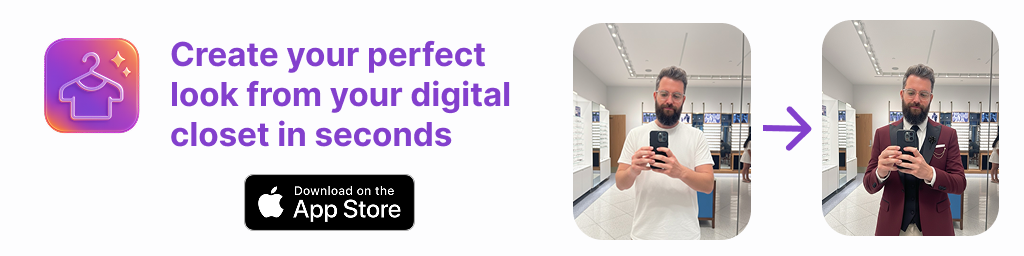
Choosing what to wear on a date can feel surprisingly high-stakes. You want to look like yourself, feel comfortable, match the setting, and avoid spending an hour trying on every possible combination in your closet. An AI outfit generator can make that process more organized, visual, and much less stressful.
The best AI outfit generator to choose clothes for a date does more than suggest generic items. It helps you work with the clothes you already own, consider the date location and weather, test multiple combinations, and compare outfits before you commit. Used alongside a digital wardrobe or virtual try-on feature, it can turn last-minute outfit anxiety into a quick, practical planning routine.
This guide explains how AI outfit planning works for date nights, what features matter most, and how to choose an outfit that feels appropriate without looking overdone.
Why Date Outfit Decisions Are So Difficult
A date outfit needs to solve several problems at once. Unlike getting dressed for a typical workday, you may be accounting for a new venue, someone else’s style, photos, changing temperatures, walking distance, and your own nerves. The result is often decision fatigue: you own plenty of clothes, but none of the options feels clearly right.
Most date-outfit uncertainty comes down to these questions:
- Is the look dressy enough for the location?
- Does it reflect my personal style rather than a costume?
- Can I comfortably sit, walk, eat, or move in it?
- Do the colors, layers, and shoes work together?
- Will I be too hot, cold, formal, or casual?
An AI outfit generator helps by narrowing a large closet into a smaller group of realistic options. Instead of relying on memory or pulling everything from your wardrobe, you can start with a goal and view coordinated looks side by side.
What Makes the Best AI Outfit Generator for a Date?
Not every outfit suggestion tool is useful for real-world date planning. The strongest tools pair AI recommendations with your actual wardrobe, visual previews, and enough context to make suggestions feel personal. Look for the following capabilities.
1. Your Own Wardrobe, Not Just Trend Images
A recommendation is only useful if you can wear it. A good smart closet organizer lets you upload or catalog your shirts, dresses, trousers, jackets, shoes, and accessories. Once items are in a digital wardrobe, you can receive outfit ideas based on pieces you already have.
This is especially helpful before a date because it prevents the familiar problem of building an outfit around a garment you do not own. It also reveals overlooked items, such as a blazer that works with three different tops or shoes that instantly elevate a simple outfit.
2. Occasion and Venue-Based Suggestions
“Date night” is not one dress code. Coffee, museum visits, cocktail bars, rooftop dinners, mini golf, and concerts call for different levels of polish. The best tools allow you to set an occasion, then adjust suggestions around the environment.
| Date setting | Useful outfit direction | Planning priority |
|---|---|---|
| Casual coffee or brunch | Relaxed denim, knitwear, clean sneakers or boots | Comfort and effortless layering |
| Dinner reservation | Tailored separates, a polished dress, refined shoes | Balanced smart-casual dressing |
| Outdoor activity | Practical trousers, light layers, supportive footwear | Weather and movement |
| Bar or evening event | Textured fabrics, darker tones, statement accessories | Lighting, temperature, and confidence |
| Gallery or cultural event | Creative but intentional combinations | Personal style and walkability |
3. Virtual Try-On or Visual Outfit Comparison
Seeing items displayed together is valuable, but a virtual try-on feature can be even more useful. It gives you a clearer sense of proportion, silhouette, and overall mood. For example, you may discover that a cropped jacket balances wide-leg trousers better than a long cardigan, or that a particular shoe makes the look feel too casual.
Visual comparison also reduces the temptation to keep changing clothes just because you cannot remember how the previous option looked. Save two or three finalists, view them together, and evaluate them calmly.
4. Filters for Weather, Color, and Comfort
Good recommendations consider practical constraints. If rain is expected, open-toed shoes and delicate outerwear may not be sensible. If the date includes a long walk, an outfit should not depend on shoes that hurt after ten minutes.
Use filters or prompts that include:
- Indoor, outdoor, or mixed setting
- Temperature and precipitation
- Dress code or venue type
- Preferred colors and fabrics
- Items you want to wear or avoid
- Comfort needs, such as flat shoes or layers
How to Use an AI Outfit Generator for Date Night
AI works best when you provide a little structure. Follow this simple process to get recommendations that are useful rather than random.
- Start with the date details. Add the venue, time, expected weather, and likely activity. “Dinner” is vague; “7 p.m. Italian restaurant followed by a 15-minute walk” is much more helpful.
- Choose a style intention. Pick a few words that describe how you want to feel: relaxed, polished, creative, romantic, minimal, bold, or classic. This keeps recommendations aligned with your personality.
- Select one anchor item. Begin with a piece you know you like, such as black trousers, a favorite dress, a denim jacket, or suede boots. The AI can build around this foundation.
- Generate multiple outfit formulas. Do not stop at the first suggestion. Create three to five options with different silhouettes, then identify the one that best fits the date context.
- Use virtual try-on or comparison views. Compare full looks, including shoes and outerwear. An outfit can change dramatically once the final layer is added.
- Plan a backup. Save a second outfit in case the weather shifts, the venue changes, or the first choice does not feel right when you put it on.
A Practical Prompt Formula for Better Outfit Ideas
If your outfit tool accepts text-based requests, specificity improves the results. Include the occasion, style goal, practical needs, and one or two wardrobe pieces. Here is a simple prompt structure:
Suggest 3 date outfits for [venue] at [time of day].
Weather: [conditions]. Style: [three adjectives].
Use my [anchor item] and avoid [item or color].
Include shoes, outerwear, and one accessory for each look.
For example:
Suggest three outfits for a casual wine bar date at 8 p.m. Weather: cool and dry. Style: polished, relaxed, modern. Use my dark jeans and black ankle boots. Avoid high heels. Include a jacket and simple accessory for each look.
This approach is more likely to produce wearable combinations than a broad request such as “What should I wear on a date?”
How to Evaluate AI Outfit Suggestions
An AI recommendation is a starting point, not a rule. Before choosing a final look, run each option through a quick reality check.
- Fit: Does every item fit well today, not just in theory?
- Movement: Can you sit, walk, reach, and eat comfortably?
- Venue match: Would you feel equally comfortable if everyone else were slightly more dressed up or slightly more casual?
- Authenticity: Does it look like an elevated version of your usual style?
- Practicality: Have you considered a coat, bag, weather, and transportation?
If a recommended outfit fails two or more of these checks, revise it. Often, a small change makes the difference: swap heels for sleek boots, add a structured layer, simplify accessories, or choose a more comfortable base piece.
Common Date Outfit Mistakes AI Can Help You Avoid
Digital fashion planning is particularly useful when you tend to overpack, overdress, or second-guess yourself. It can help you avoid several common mistakes.
Ignoring the final layer: A great indoor outfit may not work with a bulky coat or an unexpected drop in temperature. Add outerwear early in the planning process.
Wearing something untested: A new garment can look excellent but feel restrictive, sheer, or uncomfortable. Virtual planning lets you create a look around reliable pieces you have already worn successfully.
Using too many statement elements: If your outfit has bold shoes, a bright top, dramatic jewelry, and a standout bag, the overall effect may feel busy. AI-generated combinations can help identify a stronger focal point and keep the rest of the look balanced.
Forgetting your own preferences: The goal is not to dress according to an imagined rulebook. The right date outfit should make you feel present and at ease, rather than distracted by what you are wearing.
Final Tips for a Confident Date Look
The best date outfit is not necessarily the most formal, trendy, or dramatic one. It is the outfit that suits the plan, works with the weather, and lets your personality come through. Use an AI outfit generator to reduce options, not to erase your own judgment.
Save successful combinations in your digital wardrobe after the date. Over time, you will build a personal library of looks that worked for casual daytime plans, evening dinners, outdoor activities, and special occasions. That makes future outfit decisions faster and more confident.
For people who want to catalog clothing, compare combinations, and preview date-ready looks from their own closet, a tool such as Outfit Maker can support a more organized approach to everyday fashion planning.