An AI fashion stylist can be more than a novelty. When used well, it becomes a decision-making framework that translates your goals, body data, and context into outfits that work in real life. Whether you’re curating a capsule wardrobe, sharpening your on-camera looks, or simply trying to stop overthinking what to wear, AI can compress the styling process from hours to minutes—without sacrificing taste.
This guide explains what an AI fashion stylist actually does, how to set up a repeatable workflow, the prompts that produce reliable results, and the fit and color principles that keep recommendations wearable. You’ll also find a comparison of tool types, tracking tips for wardrobe ROI, and mistake-proofing advice so AI enhances your style instead of overwhelming it.
Style is a system: design a few good rules once, then let the system make everyday choices easy.
What an AI Fashion Stylist Actually Does
Under the hood, an AI fashion stylist blends computer vision, color science, and pattern recognition to propose outfits aligned to your context. Here’s what that looks like in practice:
- Closet awareness: Catalogs garments, fabrics, colors, and silhouettes you already own, and suggests new combinations before recommending new purchases.
- Context matching: Generates outfits for specific occasions, weather, dress codes, locations, or camera settings (studio vs. outdoor).
- Fit reasoning: Maps body measurements to rise, inseam, shoulder width, neckline depth, and shoe proportions.
- Color calibration: Tests contrast levels and undertones, building palettes that flatter your skin tone and hair color.
- Cost-per-wear forecasting: Predicts potential wear count and helps prioritize versatile pieces.
- Packing and planning: Produces mix-and-match travel capsules and calendar-based outfit plans.
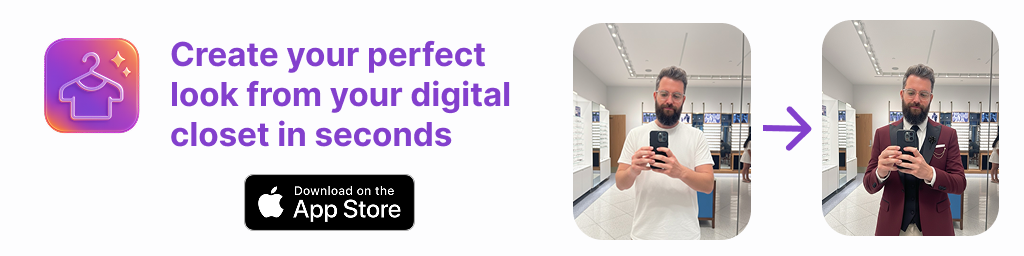
- Virtual try-on (where supported): Visualizes looks in realistic proportions to reduce returns and guesswork.
A Practical Workflow for Using an AI Fashion Stylist
Instead of one-off prompts, build a simple system you can repeat. Here’s a five-part workflow that balances strategy and speed.
1) Audit: Define outcomes, not aesthetics
- Write three outcomes: e.g., “10-minute morning routine,” “camera-ready twice weekly,” “gym-to-office transitions.”
- Set constraints: climate, laundry cadence, budget, dress codes.
- Note your comfort/non-negotiables: heel height, sleeve length, fabric allergies, modesty or mobility requirements.
2) Vision: Translate taste into rules
- Create a five-word style sentence: e.g., “Clean, tailored, relaxed, neutral, textured.”
- Choose 1–2 uniform formulas: blazer + tee + straight jeans + loafers; midi dress + boots + cropped jacket.
- Pick 2–3 signature details: metal tone, watch shape, eyewear silhouette, bag size.
3) Build your digital closet
- Photograph items on a plain background; tag by category, color, fabric, fit notes, and condition.
- Add key measurements: inseam, rise, shoulder width, sleeve length, top length, shoe heel height.
- Attach contextual tags: “client-facing,” “weekend,” “heatwave,” “long-commute,” “on camera.”
4) Generate, then field-test
- Ask the AI fashion stylist for five outfits per core uniform formula, each tuned to a specific context (rainy day, presentation, date night).
- Physically try two looks per week; photograph results; note comfort, proportions, and compliments.
- Adjust the rules and keep the winners in a shared album or calendar.
5) Iterate and invest
- Promote workhorse pieces: raise their budget and duplicate in varied colors or fabrics.
- Retire low-performance items or tailor them; tag reasons (fabric itch, awkward length, color clash).
- Buy for systems, not singles: ensure new purchases connect to at least three existing outfits.
AI Fashion Stylist Tool Types: What Fits Your Workflow?
Different tools solve different parts of the styling puzzle. Mix and match based on your bottleneck.
| Tool Type | Best For | Standout Features | Watch-outs |
|---|---|---|---|
| Virtual try-on apps | Seeing proportions before buying | Realistic composites, angle-aware fits | Needs good lighting and clear photos |
| Closet/wardrobe planners | Daily outfit planning and capsules | Tags, calendars, weather, cost-per-wear | Initial setup time; keep tags consistent |
| Chat-based AI stylists | Quick advice and prompt-driven looks | Contextual prompts, reasoning | Needs precise instructions; save templates |
| Moodboard/vision AI | Developing a cohesive aesthetic | Style clusters, palette extraction | Can drift trendy; anchor with your rules |
| Shopping assistants | Finding gaps and alternatives | Price filters, size alerts, similar items | Watch affiliate bias; verify specs |
| Trend analyzers | Content creators and stylists | Micro-trend timelines, search signals | Trend fatigue; protect core wardrobe |
Prompt Playbook: Get Reliable Results From Your AI Fashion Stylist
Clear prompts make the difference between generic suggestions and on-brand, wearable outfits. Start with a template, then save your best performers.
Starter prompt
Act as an AI fashion stylist. Use only items from my closet unless I ask for a shop link. Goals: [3 outcomes]. Constraints: [climate, dress codes, budget]. My palette: [warm/neutral/cool, contrast level]. My measurements: [height, inseam, rise, shoulder width]. My uniform formulas: [2 examples]. Suggest 5 outfits for [occasion] and [weather]. For each: list items, explain proportion logic, and give 1 accessory swap and 1 shoe swap.Fit-focused prompt
Given my height [x], leg length [inseam], and rise preference [mid/high], adjust top length and jacket length so the outfit obeys the 1/3–2/3 rule. Flag any breakpoints cutting me at the widest area and propose fixes.Camera-ready prompt
Style 3 outfits that read well on 4K video under cool lighting. Avoid tight moiré patterns and high-gloss fabrics. Prioritize mid-contrast palettes and matte textures. Include a lapel, neckline, or collar that frames the face.Packing prompt
Create a 10-piece travel capsule for 5 days, 2 climates (day 75°F, evening 55°F). Minimum 12 outfits, no ironing. Include laundry rhythm and footwear rotation to prevent hotspots.Fit, Color, and Proportion: Rules That Scale With AI
AI excels when guided by robust, human-tested styling principles:
- Rule of thirds: Aim for 1/3 top + 2/3 bottom or the reverse. Cropped jackets over longer tops; tucked tops with higher-rise bottoms.
- Breakpoint control: Hemlines, cuffs, and belt lines shouldn’t hit at your widest points. Shift breakpoints up or down by 1–2 inches.
- Verticals and V’s: Long lapels, open collars, and vertical seams elongate. Use them where you want length.
- Texture math: Matte absorbs light (slimming, casual). Gloss/sheen reflects (dressy, draws attention). Mix one hero texture with two supporting textures.
- Contrast strategy: Match contrast to your natural coloring. Low-contrast people look best in low-contrast outfits; high-contrast can carry stark pairings.
- Footwear balance: The visual weight of shoes should echo the outfit’s volume. Chunky soles stabilize wide-leg pants; sleek shoes fit tailored lines.
Data to Track for Smarter Recommendations
Small, consistent data beats big, messy data. Track these to help your AI fashion stylist learn:
- Item metadata: Fabric (weight, drape), rise, inseam, sleeve length, garment length, silhouette.
- Palette tags: Undertone (warm/cool/neutral), contrast level (low/medium/high), hero colors vs. supporting neutrals.
- Context tags: Dress code, weather band, commute mode, camera/on-stage, travel.
- Performance logs: Comfort score, compliments, repeat wears, care difficulty, alterations needed.
- ROI metrics: Cost-per-wear, cost-per-compliment, replacement horizon.
Common Mistakes (and Quick Fixes)
- Overfitting to trends: Fix by anchoring every new purchase to at least three existing outfits.
- Ignoring fabric realities: AI can’t feel. Add care and climate notes so it prioritizes breathable, wrinkle-resistant options for your lifestyle.
- Photo quality problems: Use even lighting, plain backgrounds, and include the full garment silhouette for better recognition.
- Vague prompts: Add measurements, palette, and context. Ask for proportion logic, not just item lists.
- One-and-done planning: Re-run your plan when the weather shifts, your schedule changes, or after alterations.
Mini Systems You Can Implement Today
- Two-Formula Morning: Pre-approve two uniforms for weekdays; let AI generate five variations of each every Sunday night.
- Compliment Capture: Whenever you receive a compliment, tag the outfit and identify the standout variable (color, texture, silhouette).
- Alteration First Aid: If an outfit is a “near miss,” ask AI how a 1-inch hem or different shoe height changes the proportion before you give up on it.
- Seasonal Palette Refresh: Each season, have AI select two accent colors that harmonize with your base neutrals and existing pieces.
Sustainability and Smarter Shopping
An AI fashion stylist can materially reduce returns and impulse buys by testing outfits digitally first. Use it to
- Identify gaps with the highest outfit-multiplying power.
- Simulate cost-per-wear over 12 months before purchasing.
- Spot duplicates sneaking into your closet.
- Prioritize care-friendly fabrics that match your laundry rhythm.
When you do shop, request specific measurements (rise, inseam, shoulder-to-shoulder, garment length). Feed those back into your system so the next round of recommendations is even tighter.
Example Tool Stacks
Beginner (fast setup)
- Closet app to tag essentials and log wears
- Chat-based AI for occasion-specific outfits
- Weather-integrated calendar reminders
Creator/On-camera
- Virtual try-on for silhouette checks
- Palette extraction from thumbnails/brand kit
- AI prompt for camera-safe textures and contrasts
Professional wardrobe refresh
- Capsule builder with cost-per-wear tracking
- Shopping assistant for gap-filling with size filters
- Alteration simulation (hem/waist/shoulder adjustments)
FAQ
Will an AI fashion stylist make my style generic?
It can, if you don’t set constraints. Avoid sameness by defining your style sentence, signatures, and non-negotiables. Ask for proportion logic and rationale, not just lists.
How many items do I need for a functional wardrobe?
Most people can cover work, weekend, and events with 30–45 pieces if they interlock. The key is compatibility, not count.
Can AI replace a human stylist?
AI accelerates decision-making and testing. Human stylists still excel at taste curation, tailoring strategies, and life-change transitions. Many use both.
Next Step
Set a 30-minute block this week to define your outcomes, write your style sentence, and tag your top 20 most-worn pieces. Then paste the starter prompt and generate five outfits for your next real event. Iterate from there. If you prefer to manage a digital closet with realistic try-ons on iPhone, consider testing an app like Outfit Maker to visualize combinations and plan outfits with your own wardrobe.
With a clear system, an AI fashion stylist doesn’t replace your taste—it operationalizes it, so you can spend less time choosing and more time wearing what works.