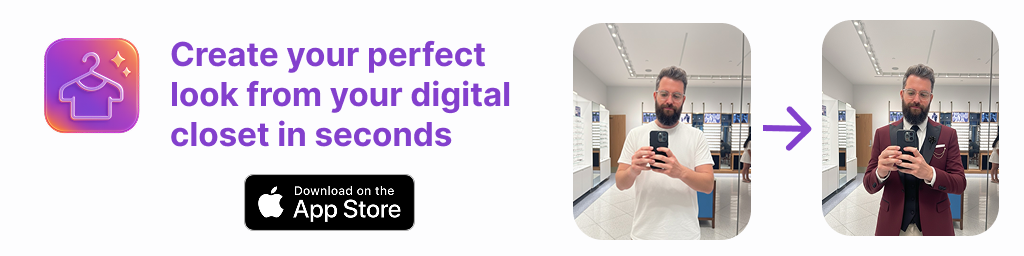
A wardrobe assistant—whether it is a notebook, spreadsheet, digital wardrobe, or AI-powered planning tool—can make getting dressed feel simpler. But the tool is only as helpful as the information and habits behind it. If your wardrobe planner suggests impractical looks, overlooks your favorite pieces, or becomes another unfinished project, the issue may not be your clothes.
Many common wardrobe assistant mistakes to avoid come down to unrealistic expectations, incomplete wardrobe information, and a lack of routine. A digital system can help you visualize outfit combinations, but it cannot know that a shirt is at the dry cleaner, a blazer feels restrictive after lunch, or rain is expected unless you account for those details.
This guide explains the most frequent mistakes people make when using a wardrobe assistant and how to correct them with a practical, low-pressure approach.
1. Adding Everything to Your Wardrobe at Once
A full closet catalog may sound like the ideal starting point. In reality, photographing, categorizing, and reviewing every item in one weekend can become exhausting. When the project feels too large, people often stop before the digital wardrobe becomes useful.
Instead, begin with the clothing you wear most often. Start with items that form the foundation of your weekly outfits:
- Everyday trousers, jeans, skirts, and shorts
- Frequently worn tops and layers
- Workwear or school essentials
- Comfortable shoes you regularly reach for
- Outerwear appropriate for the current season
This smaller collection is enough to create meaningful outfit combinations quickly. Add less-used pieces, occasionwear, and seasonal items later. A wardrobe assistant should reduce friction, not turn closet organization into an overwhelming administrative task.
2. Using Poor or Inconsistent Clothing Photos
Unclear photos are one of the most damaging wardrobe assistant mistakes to avoid. A dark image can make navy look black. A wrinkled garment may appear less appealing than it does when worn. A shirt photographed on a patterned bedspread can be difficult to identify at a glance.
For a reliable digital wardrobe, use a simple process: photograph garments in bright, indirect light against a plain background. Keep the camera angle relatively consistent and make sure the full item is visible. For shoes, bags, and accessories, take a clear image that shows shape and color.
Perfect studio photography is unnecessary. The goal is recognition. When you review your closet digitally, you should be able to tell immediately whether an item is a cream cardigan, a white button-down, or a pale yellow knit.
A simple photo standard
| Element | Helpful approach | Why it matters |
|---|---|---|
| Lighting | Use daylight or bright indirect indoor light | Colors are easier to compare accurately |
| Background | Choose a plain wall, door, or floor | Garments stand out clearly |
| Framing | Show the full item without cutting off edges | Proportions and silhouettes are easier to assess |
| Consistency | Use similar angles for similar garment types | Your closet feels easier to scan |
3. Forgetting to Record Context, Not Just Categories
Labeling a garment as “top” or “pants” is useful, but basic categories rarely capture how you actually dress. A wardrobe assistant becomes more valuable when your notes reflect real-life decisions.
Consider adding practical context to items and outfits, such as:
- Comfort: easy to move in, needs adjusting, best for short wear
- Weather: suitable for humidity, wind, cold offices, or warm evenings
- Care: clean, needs washing, dry-clean only, or needs repair
- Occasion: casual, interview, dinner, travel day, or formal event
- Styling notes: works best tucked in, needs a specific bra, or pairs well with boots
These details prevent a common planning problem: selecting an outfit that looks good in a saved image but does not work for the day ahead.
4. Expecting Style Visualization to Predict Exact Fit
Virtual outfit visualization can be useful for exploring color, layering, balance, and general outfit direction. However, it is important not to treat it as an exact prediction of fit, sizing, fabric movement, or comfort.
A photo-based virtual try-on may help you answer questions such as, “Do these colors work together?” or “Would this jacket create a more polished silhouette?” It cannot reliably confirm whether a waistband will feel comfortable for eight hours, whether a fabric will cling, or whether a hem will sit exactly as expected when you move.
Use visualization to narrow your options, then use a real-world check for comfort and fit.
For an important event, try on your final outfit in advance. Sit down, walk, lift your arms, check the shoes, and consider the likely temperature. This small step protects you from relying too heavily on a digital image.
5. Building Outfits Without Checking Your Actual Schedule
An outfit that works for brunch may not work for a client presentation, a long commute, or an evening outdoors. One of the most practical wardrobe assistant mistakes is creating looks around aesthetics alone instead of the requirements of a specific day.
Before planning, review the schedule in front of you. Ask:
- Where will I be, and how formal is the setting?
- Will I be walking, driving, working from home, or attending an event?
- What will the temperature feel like indoors and outdoors?
- Do I need pockets, layers, comfortable shoes, or a bag that fits essentials?
- Is there a quick change between daytime and evening plans?
A wardrobe assistant should support your life, not ask you to reshape your day around an outfit. The most successful outfit plans combine visual appeal with realistic function.
6. Ignoring Laundry, Repairs, and Seasonal Storage
A digital closet can quickly become inaccurate if it includes clothes that are unavailable. This happens when a favorite sweater is being washed, shoes need resoling, or warm-weather clothing has been packed away.
You do not need to update your wardrobe every day. A quick weekly reset is usually enough. Mark items that need cleaning or repair, remove pieces you have donated, and bring relevant seasonal items back into your active view.
This matters because inaccurate availability creates decision fatigue. There is little value in saving a polished outfit combination if two key pieces are not wearable when you need them.
7. Saving Too Many Similar Outfit Combinations
Saving every possible variation can make fashion planning harder rather than easier. If you have 30 nearly identical looks featuring the same jeans and white shirt, it may become difficult to see your best options.
Create a smaller, more purposeful outfit library. Save looks based on situations you regularly face, for example:
- Reliable workday outfit
- Smart casual dinner outfit
- Comfortable travel outfit
- Warm-weather weekend outfit
- Cold-office layering outfit
- Event outfit with alternative shoe choices
When an outfit is only slightly different, add a note rather than saving a separate look. For example: “Switch loafers for sneakers for a more casual version.” This keeps your wardrobe assistant focused and easy to use.
8. Treating Recommendations as Rules
Wardrobe planning tools can generate ideas, reveal overlooked combinations, and make it easier to compare looks. They should not replace your own preferences. If a suggested outfit is technically balanced but makes you feel unlike yourself, it is not necessarily the right choice.
Personal style includes factors that no system can fully measure: confidence, sensory preferences, cultural context, mood, and the way you want to be perceived. Use recommendations as prompts, not instructions.
A useful approach is to keep a “felt good” note alongside saved looks. After wearing an outfit, record a short reaction: comfortable, received compliments, too warm, loved the proportions, would wear again. Over time, these notes show you what actually works beyond what merely looks promising on screen.
9. Planning Only for Special Occasions
It is easy to use a wardrobe assistant before a wedding, vacation, or presentation, then forget about it during ordinary weeks. Yet daily outfit repetition is where a digital wardrobe can be most helpful.
Try a 10-minute weekly planning session. Choose three to five outfits based on your calendar, then leave room for weather changes and mood. You do not have to schedule every accessory in advance. The goal is to reduce morning indecision while preserving flexibility.
For example, if Tuesday involves an office day and dinner afterward, you might save one base outfit: black trousers, a knit top, and loafers. Add a blazer for meetings and pack earrings or lipstick for the evening. This is more realistic than planning two entirely separate wardrobes for one day.
10. Never Reviewing What You Actually Wear
The biggest missed opportunity is collecting wardrobe information without learning from it. Your most-worn items reveal your real preferences. Your unworn items may point to fit issues, care needs, mismatched lifestyle expectations, or styling gaps.
Once a month, ask yourself:
- Which outfits did I repeat willingly?
- Which pieces stayed unworn, and why?
- What item would make my current wardrobe easier to use?
- Which colors, shapes, and fabrics made me feel most comfortable?
This review is not about judging your wardrobe or forcing yourself to wear every item. It is about making future outfit decisions more informed. You may find that you need fewer choices, better layers, or clearer outfit formulas—not more clothes.
Build a Wardrobe Assistant That Works in Real Life
The best wardrobe assistant is not the most detailed system. It is the one you can maintain and trust. Start small, use clear clothing photos, include real-world context, and treat virtual styling as a helpful visual tool rather than a guarantee about fit or comfort.
If you want a photo-based way to organize garments and explore combinations from your own closet, Outfit Maker’s digital closet guide explains how a digital wardrobe can support everyday fashion planning. Keep the focus on your routine, your comfort, and the clothes you genuinely enjoy wearing.